US, Iran edge closer to deal but still need to negotiate points
Key sticking points include whether Iran will allow ships free passage through the Strait of Hormuz
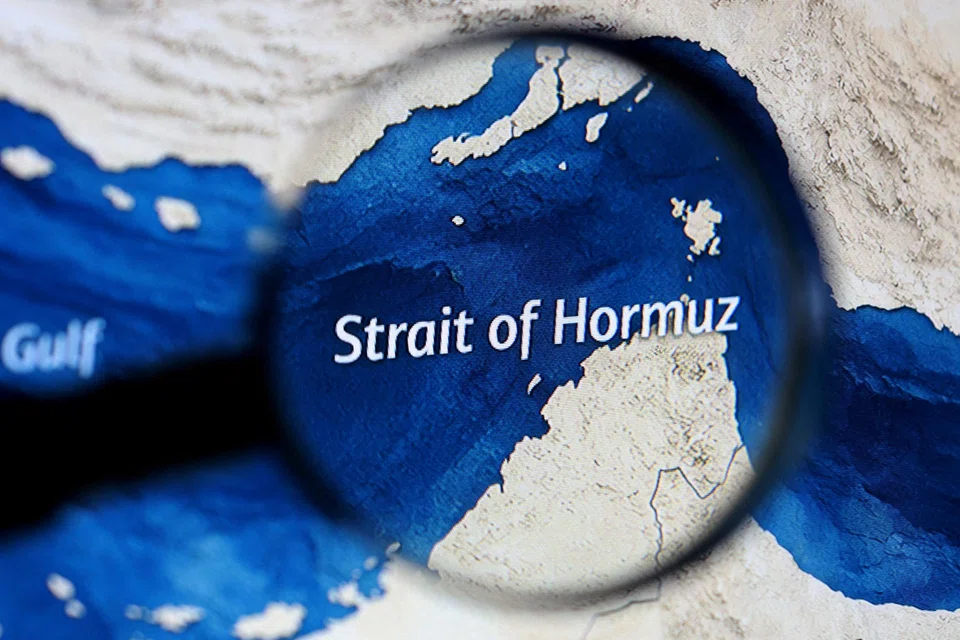
THE US and Iran are inching closer to a deal to extend their ceasefire and reopen the Strait of Hormuz, but officials from both sides signalled they still need to negotiate certain points.
Oil prices fell on Monday after Washington and Teheran indicated they were close to agreeing a broad framework.
“A consensus was reached on many of the topics discussed, but no one can claim that the signing of an agreement is imminent,” Iran’s Foreign Ministry Spokesman Esmail Baghaei told reporters on Monday.
Earlier, US Secretary of State Marco Rubio said it will take the Iranians more time to respond to the US, while President Donald Trump said he would not be rushed.
Trump is under pressure from Iran hawks claiming that the emerging accord concedes too much to Teheran.
“The deal with Iran will either be a great and meaningful one, or there will be no deal,” Trump said in a social media post on Monday. “It will be the exact opposite of the JCPOA disaster negotiated by the failed Obama Administration,” he said, referring to a deal that limited Iran’s nuclear programme in exchange for sanctions relief and monitoring by the UN’s nuclear watchdog.
Crude oil fell more than 5 per cent, with Brent trading around US$98 a barrel. Global stocks rose, in another sign many traders expect a deal that may effectively end a war that’s sent energy prices surging and added to inflationary pressures.
“A lot of oil was trading on worst case assumptions for weeks,” said Haris Khurshid, chief investment officer at Chicago-based Karobaar Capital LP. “But once it became clear talks were still alive and escalation wasn’t accelerating, a chunk of that fear premium comes out pretty fast.”
Urged on by several Arab leaders, the US and Iran have been discussing a possible extension of a fragile ceasefire, but the two sides have offered differing descriptions of what an interim deal would include. The countries have floated several proposals in recent weeks.
Trump insisted Iran cannot be allowed to develop a nuclear weapon, which Iran has denied wanting.
Key sticking points include whether Iran will allow ships free passage through the Strait of Hormuz during the extended ceasefire and whether it will let the US take hold of its highly-enriched uranium. The warring sides also need to agree how quickly the US will unfreeze billions of dollars of Iranian assets.
Iran said it is seeking to collect a shipping fee for services and environmental protection in the Strait of Hormuz, pushing back on describing it as a toll, the Iranian foreign ministry spokesman said. It’s unclear if the US would accept that.
Washington and Teheran are still at odds over “one or two provisions,” the semi-official Tasnim news agency reported, citing a person familiar with the matter.
Iran’s nuclear programme and the time line for it to dispose of its near-weapons grade uranium will be negotiated after the interim deal is agreed, with no guarantee of a resolution. Washington will likely push Iran to commit to no uranium enrichment for around 20 years.
The US plans to lift its blockade as part of the proposed interim deal, and Iran has agreed in principle to dispose of its highly-enriched uranium, a Trump administration official told reporters. Any sanctions relief will depend on how Teheran complies with various provisions of the deal, officials said.
Iran hasn’t confirmed any of these details and has said it intends to preserve its uranium stockpile. BLOOMBERG
Decoding Asia newsletter: your guide to navigating Asia in a new global order. Sign up here to get Decoding Asia newsletter. Delivered to your inbox. Free.
Share with us your feedback on BT's products and services