



US, Iran envoys head for talks, Israeli strikes continue after ceasefire
A halt to the fighting in Lebanon is a condition for starting 60 days of US-Iranian talks
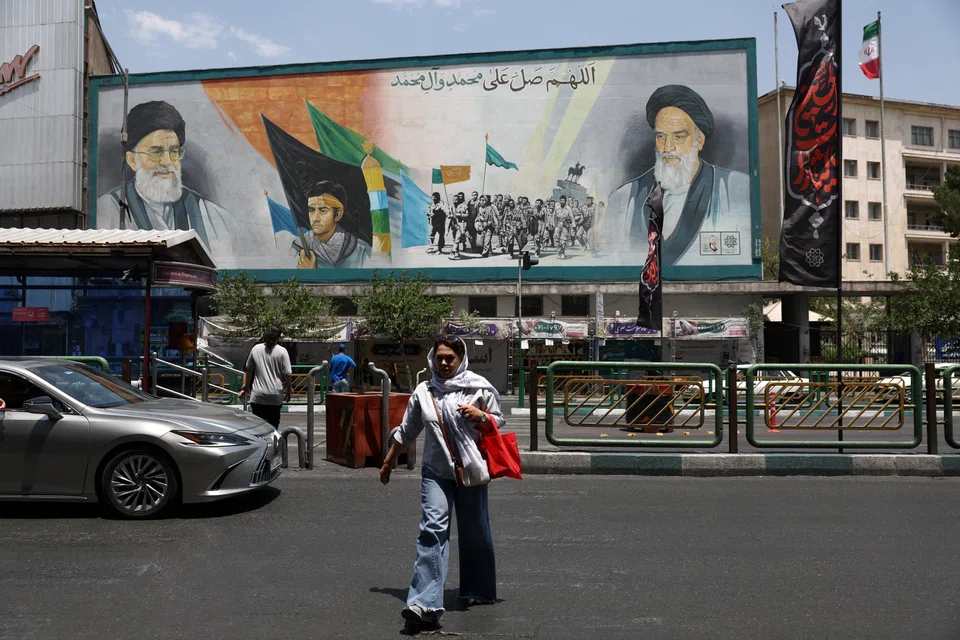
[DUBAI/WASHINGTON] US President Donald Trump’s personal envoy and Iran’s foreign minister were headed to Switzerland for talks, Axios said, although deadly strikes by Israel in Lebanon on Saturday (Jun 20) could test a new ceasefire key to ending the Iran war.
The talks, led by Steve Witkoff and Abbas Araqchi mark an effort to turn this week’s interim 14-point pact into a lasting regional deal to end the war that the United States and Israel launched on Feb 28.
But just hours after a ceasefire took effect in Lebanon between Israel and the Iran-backed militant group Hizbollah, Israeli air strikes and drone attacks killed at least five people in the south on Saturday, Lebanese state media said.
A halt to the fighting in Lebanon is a condition for starting 60 days of US-Iranian talks to resolve disputes over Iran’s nuclear programme and other thorny issues needed to forge a more durable deal critical to reopening the Strait of Hormuz and stabilising global oil supplies.
Witkoff-Araqchi talks arranged after Vance pulls out
The Lebanon ceasefire took effect around 4 pm (1300 GMT) on Friday in Lebanon after an exchange of fire, a senior US official said. Two sources from Hizbollah and a senior Israeli official confirmed the ceasefire.
But Israeli warplanes and drones launched a series of strikes across the Nabatieh area overnight and into Saturday morning, destroying residential buildings, while Israeli artillery shelled Nabatieh and its outskirts before dawn, Lebanese state news agency NNA said.
Israel did not immediately comment on the NNA report.
Witkoff is heading to Switzerland to join Jared Kushner, Trump’s son-in-law, who is already there, while Araqchi would travel there on Saturday, Axios said.
The White House did not respond to questions about Witkoff’s travel. Iran has not confirmed Araqchi’s plans.
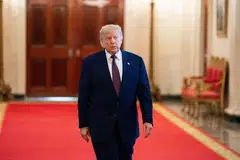


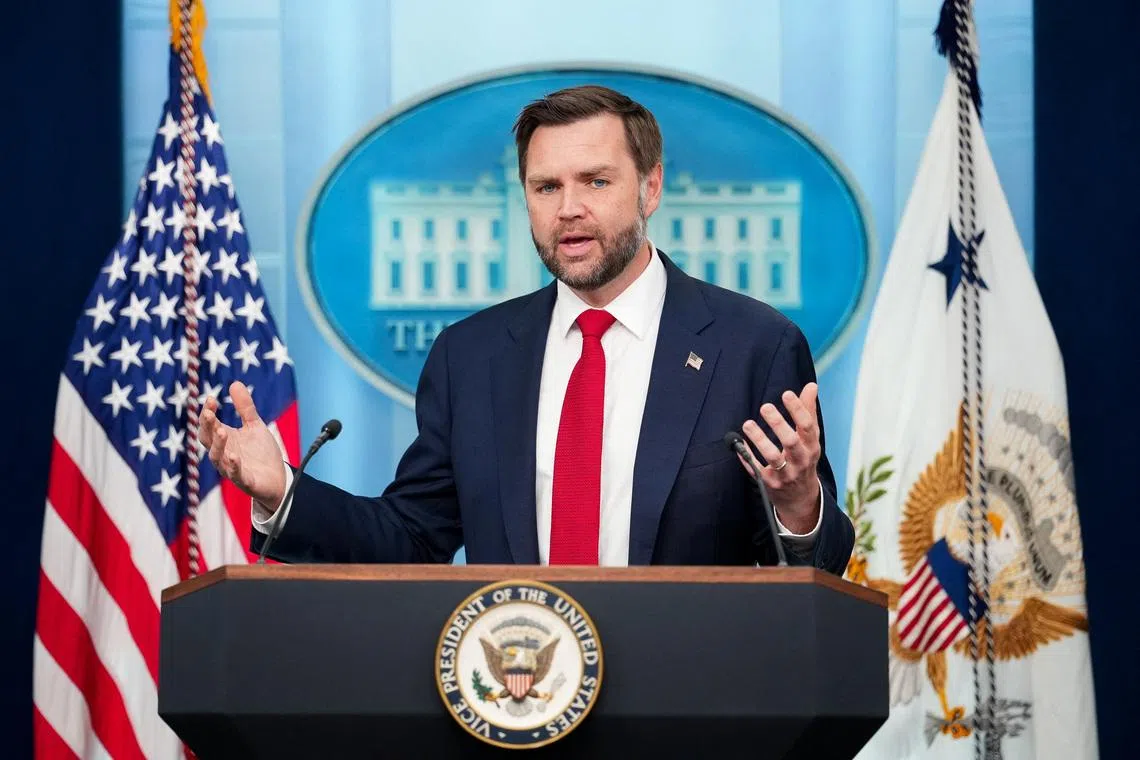
Vice-President JD Vance cancelled plans on Thursday to travel to the Swiss mountaintop resort of Buergenstock as preparations for technical talks were well advanced, amid rising tension between Israel and Hizbollah.
Switzerland stood ready to facilitate the US-Iran talks and preparatory work continued, the Swiss foreign ministry said.
Wednesday’s interim deal requires the United States, Iran and their allies to declare an immediate and permanent termination of military operations on all fronts, including in Lebanon.
Israel, left out of the talks, says it is not party to the deal.
Lebanon key to durable US-Iran peace deal
Araqchi, in a telephone call with his Pakistani counterpart on Friday, said the United States would be responsible for any violation of its commitments under the deal, including ending the fighting in Lebanon, his ministry said.
Lebanon was sucked into the regional war when Hizbollah opened fire at Israel on Mar 2, prompting it to launch an offensive against the group and invade the south of the country.
Before Saturday’s attacks, US Secretary of State Marco Rubio and Lebanese President Joseph Aoun discussed holding Israel-Lebanon negotiations in Washington from Tuesday to Thursday, the State Department said.
The Lebanese presidency said a comprehensive ceasefire was a fundamental pillar of these talks.
The Iran war has killed at least 7,000 people, mostly in Iran and Lebanon. It has pushed up energy prices, stoking inflation worldwide.
Brent crude fell about 8 per cent this week, and oil shipments through the Strait of Hormuz picked up after the signing of the interim deal.
The strait carried nearly a fifth of global crude oil and liquefied natural gas supplies before Iran blockaded it during the war.
The body Iran set up to manage the strait said on Friday that it would waive planned fees during the interim deal’s negotiation period.
The interim deal foresees relief for Iran from economic sanctions, the unfreezing of assets worth tens of billions of US dollars and immediate US waivers for its exports of oil.
It also provides for a US$300-billion reconstruction fund for Iran and other financial incentives.
Trump again defended the deal after criticism in Washington, including some from Republican allies in Congress who question whether he conceded too much to end a war unpopular with most Americans ahead of midterm elections in November.
“The war has diminished Iran!” Trump wrote on social media on Friday, adding: “We did not meet out of desperation, Iran did. They are finished! We will play out the 60 days. They get no money, not 10 cents!” REUTERS
Decoding Asia newsletter: your guide to navigating Asia in a new global order. Sign up here to get Decoding Asia newsletter. Delivered to your inbox. Free.
Share with us your feedback on BT's products and services
TRENDING NOW

MAS allocates S$1.45 billion to five asset managers in third EQDP batch: Chee Hong Tat

‘My grandfather’s legacy’: Sherman Kwek lays out three-year plan for CDL to drive returns

He built the Vingroup empire. Now South-east Asia’s richest man is handing some key roles to his sons

‘How many will survive?’: Bubble fears arise as China’s humanoid robotics face reality check

