US tariff rate to hit 15% or more for some nations, trade chief Greer says
The administration will replace struck-down tariffs with 10% Section 122 tariffs and Section 301 investigations
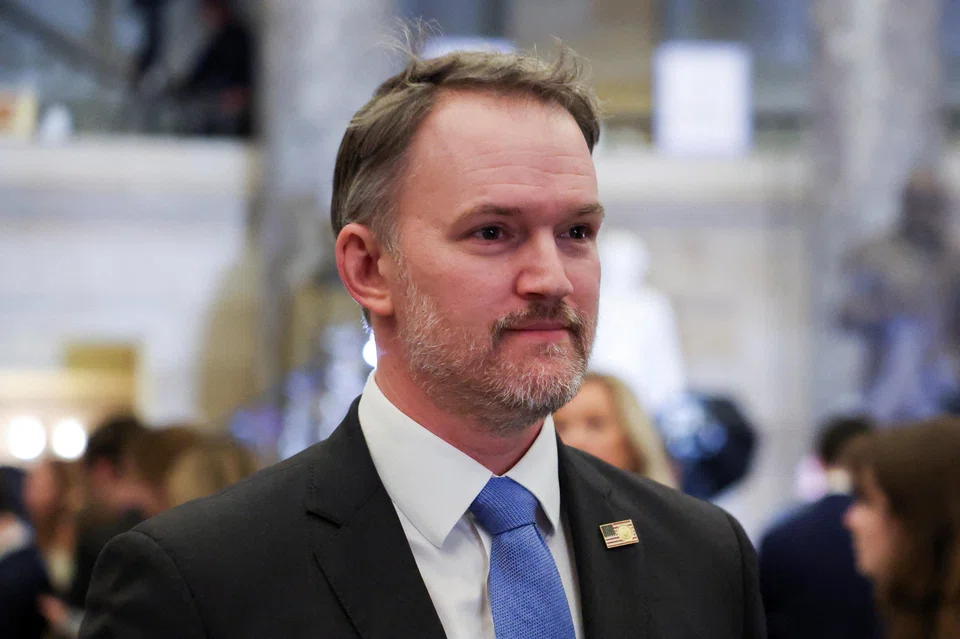
[WASHINGTON] The US tariff rate for some countries will rise to 15 per cent or higher from the newly imposed 10 per cent, US Trade Representative (USTR) Jamieson Greer said on Wednesday (Feb 25), without naming any specific trading partners or giving further details.
Greer told Fox Business Network’s Mornings with Maria programme that the Trump administration does not intend to raise tariffs on Chinese goods above current levels as President Donald Trump plans to travel to China in coming weeks.
“Right now, we have the 10 per cent tariff. It’ll go up to 15( per cent) for some and then it may go higher for others, and I think it will be in line with the types of tariffs we’ve been seeing,” Greer said. Speaking later on Bloomberg TV, Greer said the White House was preparing a proclamation to raise the temporary tariffs to 15 per cent “where appropriate.” He added that it would “accommodate” countries that have trade deals but did not provide details.
He said that the administration wanted to make sure that it pursues proper legal processes for the increase, adding: “any time we put on a tariff, we’re going to have foreign interests who want to bring it down. So people are going to sue us.”
New tariffs compatible with existing trade deals
Greer told Fox Business the administration’s plan to replace emergency tariffs struck down by the Supreme Court with new duties, including temporary tariffs under Section 122 of the Trade Act of 1974, which took effect on Tuesday at a 10 per cent rate, are compatible with existing trade deals. He said investigations into unfair trade practices under Section 301 of that same law would be the centrepiece of the replacement effort, targeting countries that build excess industrial capacity, use forced labour in supply chains, discriminate against US technology firms, or subsidise rice, seafood and other goods.
Greer said that he and Treasury Secretary Scott Bessent have repeatedly raised the issue of excess industrial capacity with Chinese officials, adding that unprofitable Chinese firms are allowed to stay open and continue producing with government support.
“I don’t think they’re going to resolve that problem fully, and that’s part of why we need to have tariffs on China and Vietnam and other countries that have this problem,” he said.
Asked whether the administration is willing to impose steep new tariffs on Chinese goods that could upset a delicate trade truce, Greer said: “We don’t intend to escalate beyond” rates that are currently in place. “We intend to really stick to the deal that we have with them.”
Greer also said Section 301 investigations can serve as an enforcement mechanism for trade agreements the administration has struck in recent months, including a deal with Indonesia, which agreed to accept a 19 per cent US tariff and open its markets to US goods. He said USTR would open a Section 301 investigation into Indonesia’s trade practices to examine industrial capacity and fisheries subsidies, and the findings would be compared with steps Indonesia is taking to address US concerns and its commitments under the deal.
SEE ALSO

“And then we’ll make a determination on what kind of tariff should apply. We expect to have continuity in what we’re doing” with trade deals,” he said. Greer also told Fox Business that a nearly century-old trade law, Section 338 of the Tariff Act of 1930, was “still good law” and could be useful in certain circumstances where countries discriminate against US trade relative to other countries. The statute allows for tariffs of up to 50 per cent on imports from specific countries.
But he said the primary focus was on country-focused Section 301 probes and strategic industry-focused Section 232 national security probes, where tariffs have proven “very durable.”
“They’ve stood up to legal scrutiny in the past and they will again now,” Greer said. REUTERS
Decoding Asia newsletter: your guide to navigating Asia in a new global order. Sign up here to get Decoding Asia newsletter. Delivered to your inbox. Free.
Share with us your feedback on BT's products and services