



Wall Street banks offer UAE staff option to relocate temporarily
Foreigners account for about 90% of the country’s population
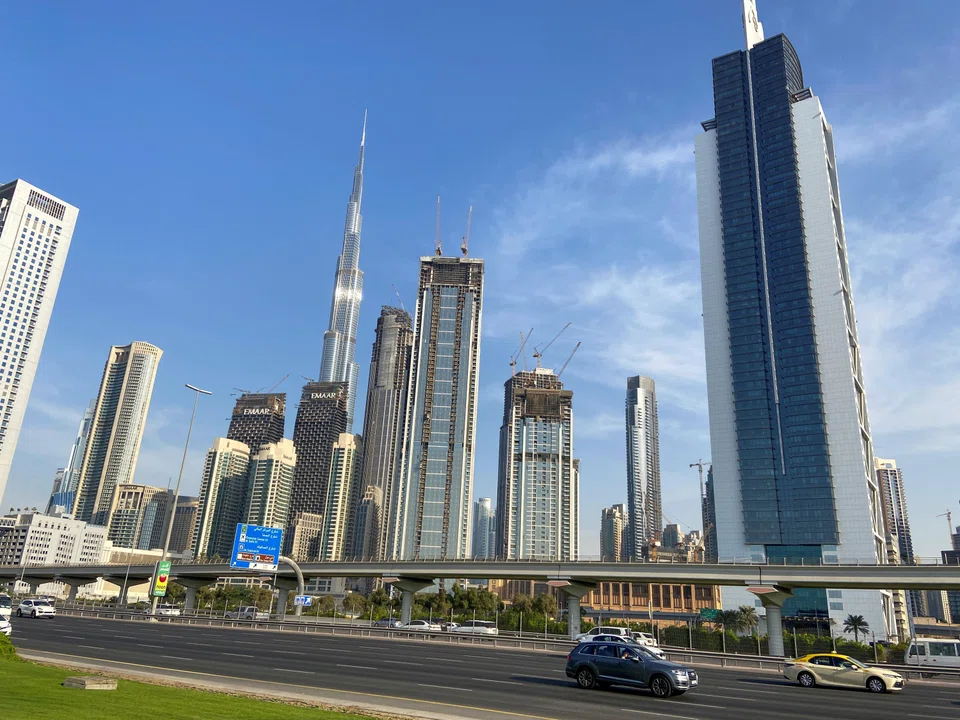
MANY top Wall Street banks are allowing staff in the United Arab Emirates to temporarily leave the country and work remotely as attacks on the Gulf nation continue.
Goldman Sachs, Morgan Stanley and Citigroup are among firms that have given employees the option to relocate temporarily, according to sources familiar with the matter. Consulting giant McKinsey has chartered a flight to Turkey, evacuating consultants stranded from outside the region and is allowing Dubai-based staff with emergencies to leave, some of the sources said.
It was not immediately clear how many people have taken the firms up on the offer, but one bank said that take-up for relocations had been very limited. In many cases, staff were offered the option to work from an overseas location but won’t be compensated for the move.
Such relocations, even if temporary, can be complicated and come with tax implications. Some bankers may also need regulatory approvals to work in foreign jurisdictions.
At least a few local firms have offered employees similar flexibility, though some others have continued business as usual, the sources said, declining to be identified discussing confidential information.
“This is an unsettling time for people across the Middle East, and we continue take measures to support our colleagues and our clients,” a spokesperson for Citigroup said. “We are permitting some Middle East-based colleagues to work remotely from other geographies on a temporary basis while also maintaining enough on-the-ground support to service our clients.”
Representatives for Goldman, Morgan Stanley and McKinsey declined to comment.
The attacks on the UAE, part of an unprecedented Iranian response to US and Israeli strikes that killed Supreme Leader Ayatollah Ali Khamenei, have punctured the long-nurtured perception that the Gulf hub was insulated from the volatility of its neighbourhood.
Foreigners account for about 90 per cent of the country’s population. Under fire, the UAE shot down pretty much all the projectiles launched at it. As missiles were intercepted, food deliveries continued unabated and life mostly hummed on.



In recent years, the UAE has emerged as a magnet for hedge funds, private capital and global banks. The likes of Goldman Sachs have built up teams with some of their most senior bankers increasingly spending time in the region. Consulting behemoths, too, count the Middle East among their strongest regions globally.
Some of them have been reviewing business-continuity arrangements and work from home, Bloomberg News has previously reported. The conflict may disrupt the flow of wealthy individuals and businesses to the UAE, but some investors and residents believe the country’s strong infrastructure and governance will help it recover. BLOOMBERG
Decoding Asia newsletter: your guide to navigating Asia in a new global order. Sign up here to get Decoding Asia newsletter. Delivered to your inbox. Free.
Share with us your feedback on BT's products and services






