



War prompting some Asia, Gulf companies to consider new Istanbul Financial Center
More than 40 companies have contacted IFC over the past month, CEO says
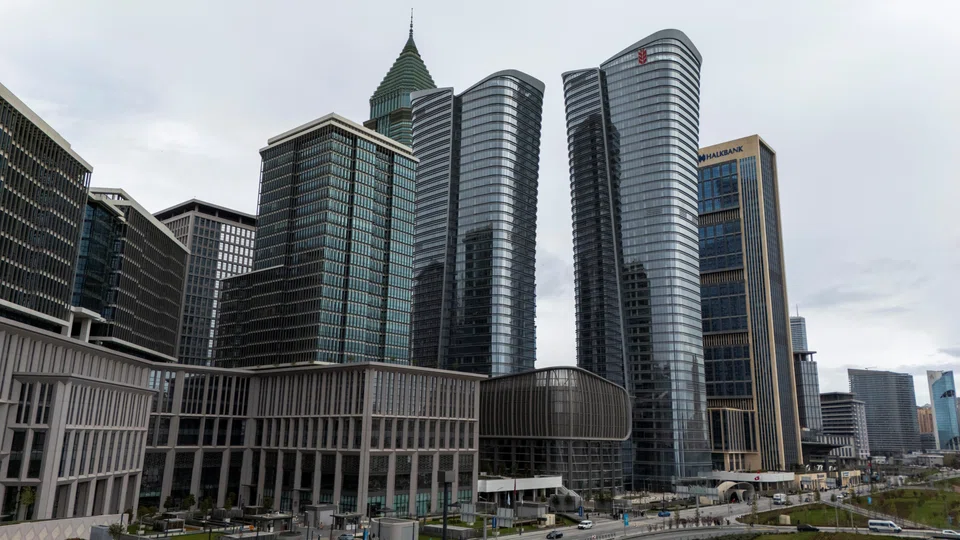
[ISTANBUL] The Iran war has prompted dozens of companies with operations in the Gulf to consider moving some business to Istanbul’s newly emerging, state-backed financial centre, its chief executive said in an interview.
The Istanbul Financial Center (IFC), a clutch of glassy towers that opened three years ago on the city’s Asian side, currently houses the central bank, state-owned lenders and financial regulators and offers incentives such as corporate tax exemptions for the first 10 years.
More state institutions are set to relocate to the centre, opened by Turkey’s government under its sovereign wealth fund as a counterweight to a financial hub on Istanbul’s European side.
“Due to rising regional tensions, in the past month we have held meetings with more than 40 companies, most of them headquartered in East Asia and Gulf countries,” CEO Ahmet Ihsan Erdem told Reuters at his IFC headquarters recently, as firms consider partially moving operations or expanding in Turkey.
Around 15 meetings with prospective companies had already been scheduled before the war, Erdem said. “Regional developments have intensified these contacts,” he said.
The US-Israeli war with Iran began more than a month ago, with Iran responding to the attacks by hitting targets across the Gulf. Some financial firms in the area have instructed their staff to work from home, while banking giant HSBC closed all branches in Qatar until further notice.
SEE ALSO


IFC’s talks involve firms from Malaysia, Japan, Singapore, South Korea and Hong Kong, with IFC also “assessing potential areas of cooperation” with government ministries and lawmakers from these countries and others.
While Erdem did not name the interested companies, he said they spanned the fintech, finance and Islamic finance, and insurance sectors.
IFC expects to double its occupancy to around 40,000 workers by end-December, bringing the rate to 75 per cent, he added. REUTERS
Decoding Asia newsletter: your guide to navigating Asia in a new global order. Sign up here to get Decoding Asia newsletter. Delivered to your inbox. Free.
Share with us your feedback on BT's products and services






