Greece offers debt compromises as Merkel remains unmoved
Finance Minister Varoufakis says Greece will implement about 70% of reforms already in current bailout accord
Istanbul
GREECE offered compromises ahead of an emergency meeting with its official creditors on Wednesday as German Chancellor Angela Merkel remained unyielding over terms of the country's bailout conditions.
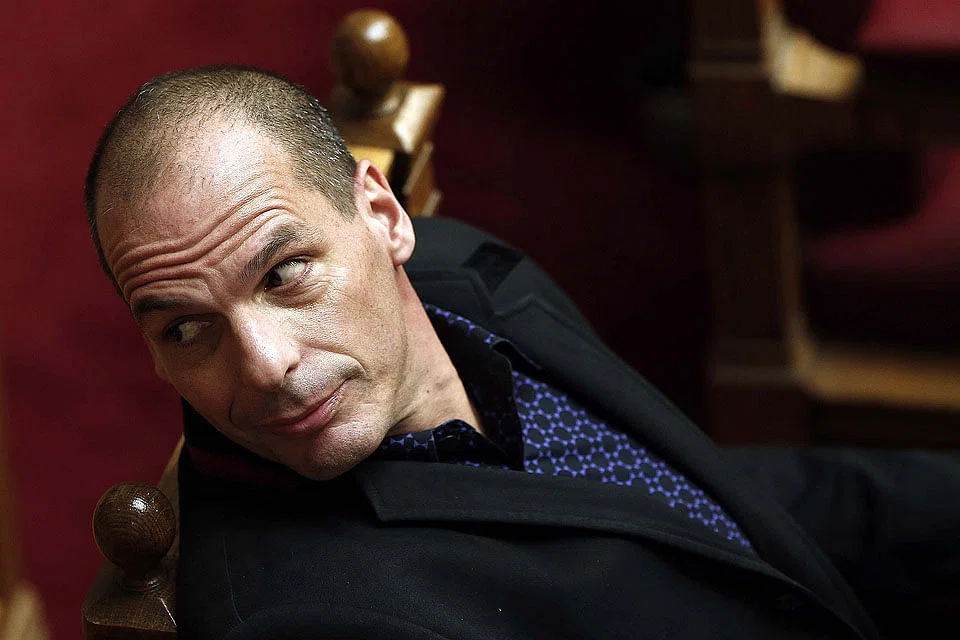
Greek Finance Minister Yanis Varoufakis told lawmakers that the government intends to neither tear up the existing bailout agreement, nor allow the budget to be derailed. He said that Greece will implement about 70 per cent of reforms already included in the current bailout accord.
Any accord, however, would require an easing of Germany's stance in the standoff between Greece and its creditors over conditions attached to its 240 billion euro (S$368 billion) lifeline.
The European Commission denied a report that it will present a compromise proposal at the meeting on Wednesday, saying "very intense contacts are ongoing between" Commission President Jean-Claude Juncker, Greek Prime Minister Alexis Tsipras and others, and that the plan being worked on is to keep Greece in the euro area. Expectations are "low" for a final pact this week, the commission said.
Greece sought to drum up support for a 10 billion euro bridge plan ahead of the euro-area finance ministers' meeting in Brussels on Wednesday. The country is seeking to stave off a funding crunch, while also buying time to push creditors to ease some austerity demands.
Mr Varoufakis's proposal on Wednesday will ask for an eight billion euro increase in the stock of Treasury Bills the country is allowed, said a government official who asked not to be named because the negotiations are confidential. He will also seek the disbursement of 1.9 billion euros of profits that euro area central banks made on their Greek bonds holdings.
German political leaders have said that they will not extend more assistance to Greece without strings attached. Ms Merkel said in Washington on Monday that the existing aid programmes are the basis for Greek talks. "I'm waiting for Greece to come forward with a viable recommendation and then we'll talk about it," she said.
Any impasse risks leaving Greece without funding as of the end of this month, when its current bailout expires, and puts Europe's most-indebted state's euro membership in danger.
Greece's public debt currently stands at more than 320 billion euros, or about 175 per cent of gross domestic product. About 100 billion euros of that debt needs to be cancelled for it to be manageable, Matthieu Pigasse, head of Lazard Financial Advisory, hired by the Greek government as adviser on issues related to public debt and fiscal management, said on Tuesday in an interview on France Inter radio in Paris.
Such a reduction would bring the country's ratio of debt to GDP to 120 per cent in 2020 and would make Greece's debt burden more "sustainable", he said.
Still, behind the public rhetoric, the Greek government has shifted to a more cooperative stance in recent conversations with the troika of the IMF, the European Central Bank and the Commission, according to an official representing the creditors.
Two other troika officials said that Greece may be given more time to present its complete proposals for a permanent arrangement if Mr Tsipras accepts he needs a new programme, which will include monitoring, and commits not to reverse the most important overhauls of the bailout agreement.
The Greek government's proposal for a bridge deal is aimed at allowing the country to break the impasse and negotiate a more permanent arrangement with its creditors by this summer. Greece is pushing for a successor programme to its current bailout, which will be focused on structural economic overhauls rather than fiscal measures.
The government said that reforms will be carried out in cooperation with the Organisation for Economic Co-operation and Development, while it will not allow the budget to be derailed.
Greece's new anti-bailout government, led by Mr Tsipras, laid out a lengthy list of policy actions, including a gradual increase in the minimum wage and a boost to the threshold of tax-exempt income. The plan will be put to a confidence vote in Greece's parliament on Tuesday. The measures would breach the terms of the country's emergency loans agreement with the euro area and the IMF.
Mr Tsipras has said they are necessary to alleviate the "humanitarian crisis" in Greece after five years of belt tightening that left more than a quarter of the workforce without a job. BLOOMBERG