

Gulf wealth clients staying put for now, but Singapore may see inflows if conflict persists
Hubs such as Dubai and Abu Dhabi are expected to remain resilient due to economic opportunities and infrastructure, say industry players

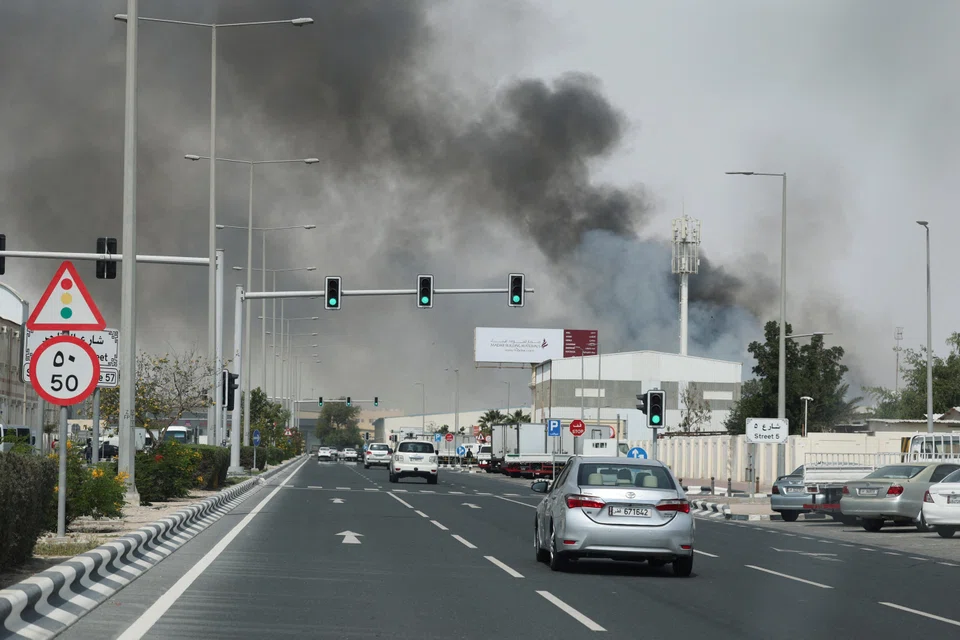
[SINGAPORE] Singapore’s wealth managers have not observed broad-based capital flight from the Middle East amid the ongoing conflict, though the Republic could see “incremental inflows” if geopolitical tensions escalate further.
Wealth hubs such as Dubai and Abu Dhabi are nonetheless expected to remain resilient, given the economic opportunities and infrastructure already in place, industry players told The Business Times.
Since the US and Israel began striking Iran on Saturday (Feb 28), Bank of Singapore has not recorded a rise in client enquiries on portfolio reallocations, said Ranjit Khanna, head of private banking for Europe, the Middle East and Global South Asia.
“Although the current situation remains challenging, everyone here remains calm,” said Khanna. “They are closely monitoring market developments, but are taking a wait-and-see approach for now.”
Bank of Singapore is the private banking arm of OCBC.
UOB Private Bank has similarly not seen “large-scale allocations from Gulf states” since the conflict began, said chief investment officer Neo Teng Hwee.
“Usually, clients who seek diversification away from one jurisdiction will take some time before it is meaningfully reflected in the data,” said Neo, citing legal and tax considerations that typically need to be worked through.
Anuj Kagalwala, Asia-Pacific private wealth leader at PwC Singapore, likewise does not see “any broad-based shift away from these financial centres in the Gulf region” at this stage.
Wealthy families typically already have diversified strategies in place to mitigate geopolitical risks, particularly in the complex Middle Eastern landscape, he noted.
“Dubai and other key financial centres in the region have attracted significant global wealth in recent years, and we expect that much of that will remain in place because of the strong economic opportunities and infrastructure they offer,” Kagalwala added.
A Standard Chartered spokesperson declined to comment on client activities, but said the bank was “monitoring the situation closely”.
Resilient flows
Attention on Middle Eastern wealth flows has intensified as the United Arab Emirates cements its position as a global wealth hub, drawing investors who have set up family offices – all without income or inheritance taxes.
The UAE attracted about 9,800 new millionaires in 2025, most of whom are based in Dubai, with an estimated collective investable wealth of around US$63 billion, migration consultancy Henley & Partners said in a recent report.
Still, the latest conflict differs from previous episodes. Airports, embassies, ports and hotels in several US-allied Gulf states have been struck by Teheran in retaliation – damage not seen in past salvos.
Major airports, including Dubai’s – the world’s busiest international hub – remained closed.
Yet, for flows to meaningfully shift, there would need to be prolonged and serious damage to both physical and financial infrastructure, said Neo.
“Different jurisdictions have different attractiveness – including proximity to the client’s business operations, tax considerations and long-term residency requirements. (Therefore), if the conflict is short-term in nature, these flows do not disappear overnight.”
Should geopolitical risks remain elevated or widen, Singapore could see incremental inflows, he added.
Pearlyn Chew, a partner at KPMG in Singapore’s real estate and asset management, and tax and family office and private clients practices, pointed to a “growing trend” of investors with a presence in the Gulf complementing it with exposure to Singapore.
“While Gulf centres are gaining momentum with ambitious reforms and incentives, Singapore’s strength lies in its consistent policies and seamless connectivity to global markets,” she said.
The Republic remains a “complementary option” for investors seeking to diversify across regions, Kagalwala concurred.
While there have not been “significant fund movements” so far, capital flight during periods of political instability is “understandable as well”, said Lennon Lee, tax leader at PwC Singapore.
“It’s also important to note that many funds today are properly managed and deployed. Especially now with the help of technology, location has become less of a limitation, enabling greater flexibility, and risk management capabilities,” said Lee.
“While there may be short-term fund movement, that may return when the situation is more stabilised.”
TRENDING NOW
Prima to move out of historic Keppel Road flour mill building in 2028
Temasek-related Azalea, SeaTown, Seviora Capital to merge in 2027
Family offices see more tailored products, leverage ‘collective firepower’ for direct deal access
Singapore room rates soar, but hotels seeing mixed demand from F1 race and events

