Higher rates may be needed to curb inflation: Fed governor
 Add BT as a preferred source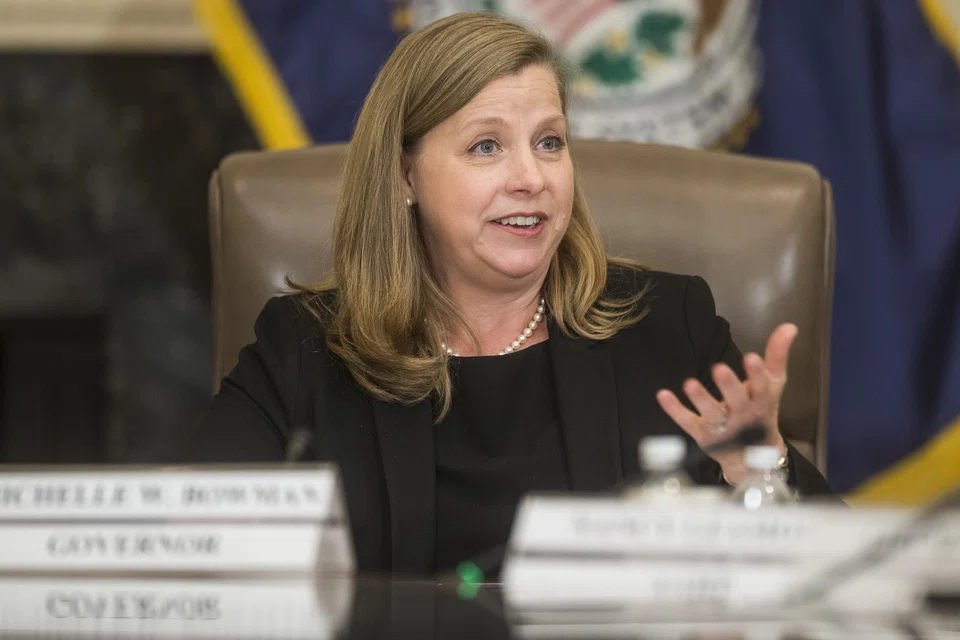
FEDERAL Reserve governor Michelle Bowman said interest rates may need to rise further and stay higher for longer than previously expected to get inflation down to the central bank’s goal.
Despite recent improvements, “inflation remains well above the FOMC’s 2 per cent target. Domestic spending has continued at a strong pace, and the labour market remains tight,” Bowman said on Wednesday (Oct 11) in remarks prepared for an event in Marrakech, Morocco, on the sidelines of the World Bank/International Monetary Fund annual meetings. “This suggests that the policy rate may need to rise further and stay restrictive for some time to return inflation to the FOMC’s goal.” Bowman explained she was reading a shortened version of her speech because of time constraints.
Bowman’s remarks sounded somewhat less hawkish than her comments on Oct 2, when she said multiple rate hikes would likely be needed to contain price pressures.
She didn’t comment on her expectations for the Federal Open Market Committee’s next rate decision on Nov 1.
US central bankers left their benchmark lending rate unchanged last month in a range of 5.25 per cent to 5.5 per cent – a 22-year high – and signalled they expect one more increase this year.
Several Fed officials have said in recent days that a surge in long-term Treasury yields may lessen the need for further rate hikes. Investors see a less than 20 per cent chance of another quarter-point increase when policymakers next meet, according to pricing in futures markets.
Bowman, in answer to a question about the implications of the recent rise in bond yields, said this was just one factor the central bank is monitoring, while indicating that it could be a reason for caution.
“Financial market conditions have certainly tightened,” she said. “That allows us a little bit of patience; that we can continue to watch as economic conditions and financial conditions continue to evolve.”
“We still are a long way from 2 per cent for inflation and it’s important that we identify a path, or are continuing on a path, that will allow us top reach 2 per cent inflation in a sustainable and timely way,” Bowman added.


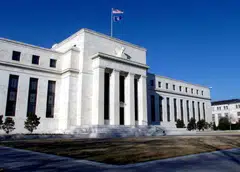

Financial stability
Bowman, in her speech, warned that a rising rate environment may erode the credit quality of banks’ balance sheets if the economy weakens.
“It is important to monitor these evolving risks, and if necessary, take action to minimise the possible spillover effects on the wider banking and financial system,” she said in her remarks, which focused on financial stability risks.
She said changes to the bank regulatory framework could have unintended consequences and pose broader risks to the financial system, and said policymakers should carefully consider whether higher capital requirements currently under consideration are “efficient and appropriately targeted.”
Bowman said she is monitoring risks in the commercial real estate and non-bank sectors. She also urged US officials to consider steps that would shore up resilience in the US Treasury market, including reconsidering the leverage ratio and capital surcharge that the largest global banks face in the US. BLOOMBERG
Decoding Asia newsletter: your guide to navigating Asia in a new global order. Sign up here to get Decoding Asia newsletter. Delivered to your inbox. Free.
Share with us your feedback on BT's products and services