

Hong Kong to consider allowing stock trading during severe weather
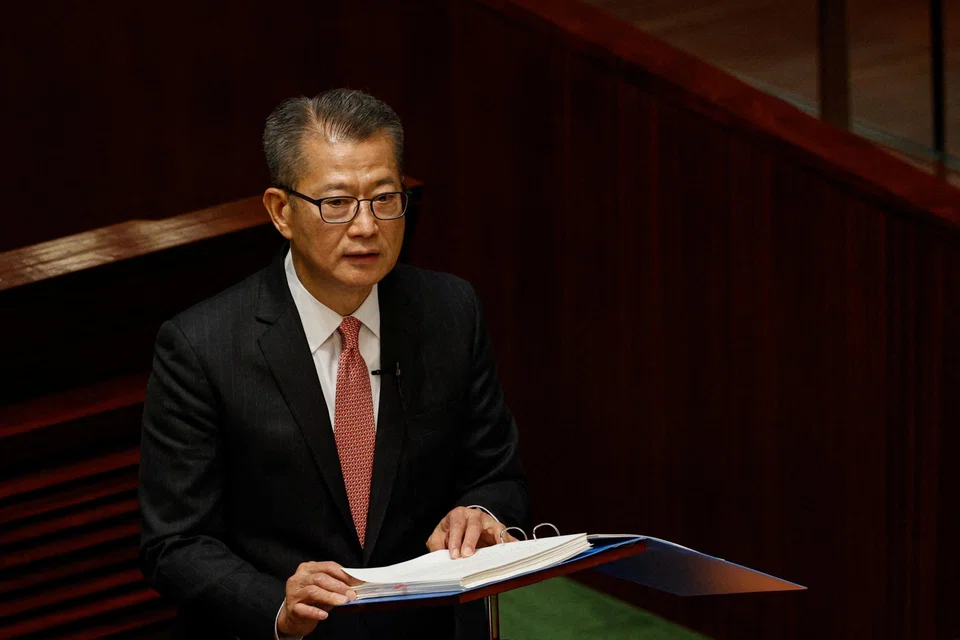
HONG KONG stock traders may no longer get their “typhoon holidays” as the city’s bourse explores arrangements to continue trading under severe weather.
Hong Kong Exchanges & Clearing will study a series of proposals on the optimisation of its trading mechanism, including “arrangements for maintaining operation of the market under inclement weathers,” the city’s Financial Secretary Paul Chan announced in his budget speech on Wednesday (Feb 22). The exchange operator will also put forward specific reform recommendations on Hong Kong’s GEM board this year, he added.
Trading halts due to severe weather are seen as increasingly antiquated given that the global finance industry has adjusted to remote working amid the pandemic. They are also likely to be increasingly inconvenient, as extreme weather events linked to climate change grow more common.
Rival hub Singapore has never halted trading at its stock exchange due to weather-related events.
HKEX shares pared an earlier drop of as much as 2.8 per cent after the announcement to close down 0.6 per cent, amid weakness in the broader market. The Hang Seng Index declined 0.5 per cent.
“It’s understandable that the stock exchange is considering such new rules as the pandemic and work from home really changed people’s working habits,” said Dickie Wong, executive director of research at Kingston Securities.
Currently, trading in shares and other securities could be halted under extreme weather, such as a typhoon. Hong Kong is typically hit by about six typhoons annually, usually from June to October, although only a fraction of those result in market or school closures.
Last November, HKEX cancelled afternoon trading on a day when the city hosted a high-profile summit for bankers as tropical storm Nalgae drew close. Before that, it delayed the open of its US$5 trillion stock market in August because of tropical storm Ma-on.
With most orders now received and executed electronically, industry watchers said the infrastructure is in place to ensure continuous trading in bad weather. After all, the pandemic has also shown that staff in the finance industry are able to operate remotely.
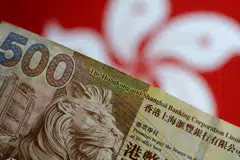
“Many exchanges don’t have weather trading halts or even lunch break hours like we do in Hong Kong,” said Wong. “They just want to use every single minute to trade.” BLOOMBERG
Decoding Asia newsletter: your guide to navigating Asia in a new global order. Sign up here to get Decoding Asia newsletter. Delivered to your inbox. Free.
Share with us your feedback on BT's products and services
TRENDING NOW
Simba admits exceeding spectrum limits amid failed M1 deal; full-year profits surge 277%

Temasek’s Wan Chee Foong to helm PIL, Lars Kastrup to be board adviser

He built the Vingroup empire. Now South-east Asia’s richest man is handing some key roles to his sons
One-third of Singapore-listed firms at risk in severe AI downturn: MAS

