GLOBAL ENTERPRISE

Hong Kong plays catch-up to Singapore in fierce battle for family offices

Angela Tan
Published Fri, Mar 3, 2023 · 06:00 PM
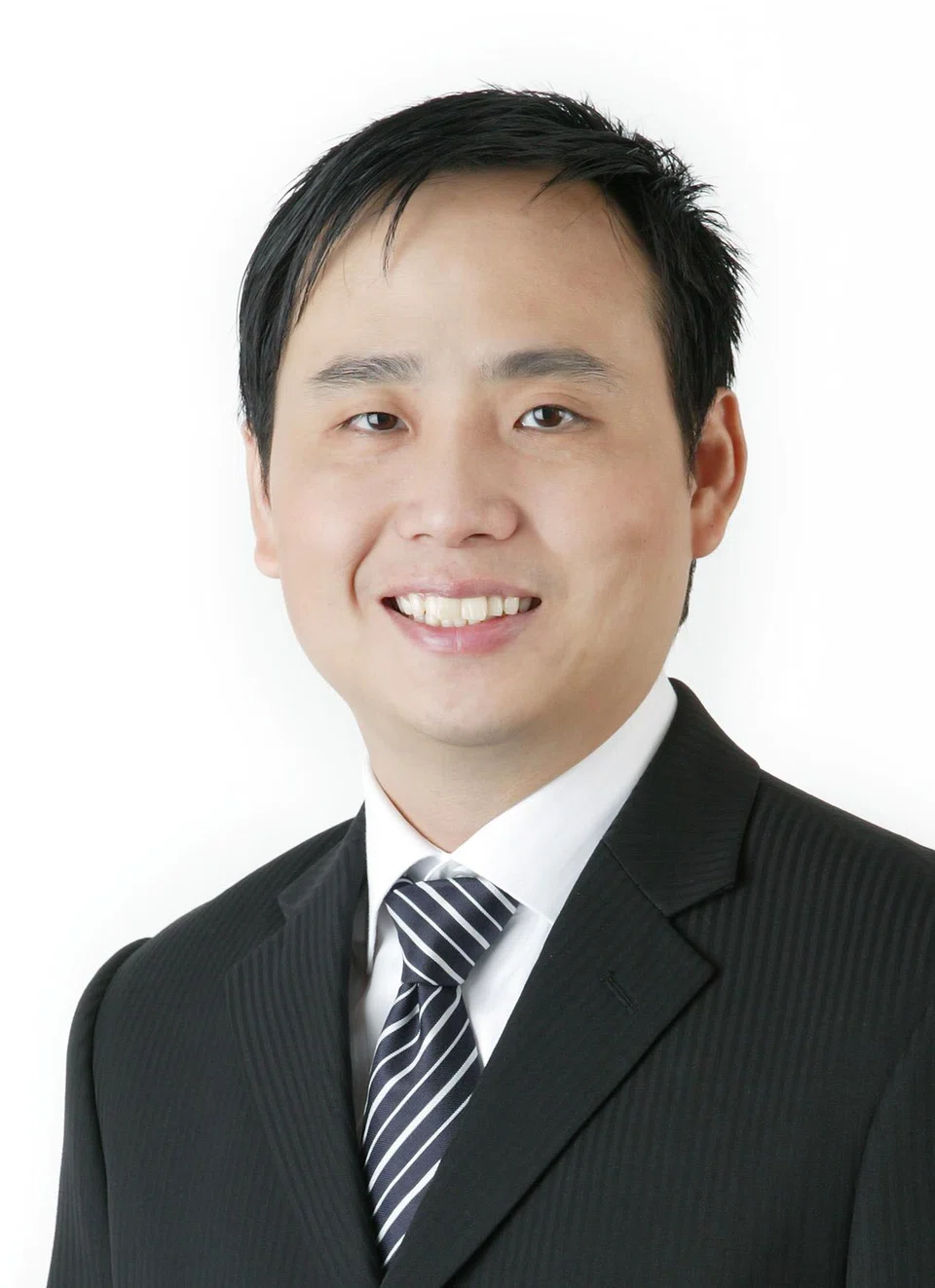
    • Lennon Lee of PwC Singapore says that the Hong Kong government is eager to introduce measures and schemes that Singapore has earlier implemented to some success, in particular on the family offices space in the asset and wealth management industry.
    • Lennon Lee of PwC Singapore says that the Hong Kong government is eager to introduce measures and schemes that Singapore has earlier implemented to some success, in particular on the family offices space in the asset and wealth management industry. PHOTO: PWC

    HONG Kong is pulling all stops in its latest budget to attract the world’s richest family offices as it battles Singapore’s rising appeal to the super wealthy.

    In the first budget presented since Hong Kong’s emergence from the Covid-19 pandemic and resumption of quarantine-free travel with mainland China and the world, Financial Secretary Paul Chan said that HK$100 million (S$17.2 million) has been allocated to InvestHK over the next three years to attract more family offices to Hong Kong.

    Come late March, the Special Administrative Region of China will host an invitation-only “Wealth for Good in Hong Kong” summit for some of the wealthiest in the world. Among those targeted are the biggest family funds in the Middle East, China, and a smaller number from the US and Europe.


    The city’s regulators will “refine the regulatory measures and tax arrangements” for the asset and wealth management sector. On wealth management, they will streamline the suitability assessment and disclosure process for sophisticated or ultra‑high-net-worth individual clients. The government will review the existing tax concession measures applicable to funds and carried interest.

    Chan said: “We will actively take forward a series of measures to further strengthen Hong Kong’s status as the asset and wealth management hub in Asia.”

    Lennon Lee, partner, Financial Services Tax Leader, PwC Singapore, told The Business Times that the Hong Kong government was eager to introduce measures and schemes that Singapore has earlier implemented to some success, in particular on the family offices space in the asset and wealth management industry.

    Lee said: “With such budgetary measures, the choice for individuals, businesses and families to be either in Singapore or Hong Kong would have to be based on factors other than tax, as well as on legislative measures targeted to attract certain activities or investments such as family offices.”

    Ng Aik Ping, head of Family Office Advisory, Asia-Pacific at HSBC Global Private Banking, said that incentives like these would help strengthen Hong Kong’s competitive edge and encourage new and existing family offices to expand their presence on the ground.

    In 2021, the assets under management (AUM) in Hong Kong amounted to over HK$35 trillion, with a total of 54,000 practitioners in the sector. In Singapore, AUM reached S$5.4 trillion.

    Singapore and Hong Kong are in different phases of the economic cycle. Hong Kong’s economy shrank 3.5 per cent in 2022, after strict Covid-19 restrictions isolated the city from the rest of the world for three years. Singapore’s gross domestic product (GDP) grew 3.6 per cent as it reopened its borders that same year.

    Deloitte China’s southern region managing partner Edward Au noted that in contrast to its previous two budgets, the Hong Kong government’s clear priority this year is to boost economic development and investment in key focus areas for a more diversified economy and propelling a rapid and full-scale recovery. 

    Au believes that the government’s reaffirmation would sharpen Hong Kong’s unique strengths as an international financial centre through new programmes to deepen connectivity with the Chinese mainland. These include capital market access and yuan internationalisation, which will consolidate Hong Kong’s “super-connector” status. National development strategies such as the Greater Bay Area will continue to present high-quality growth opportunities too.

    Against the 2022 economic backdrop in the two jurisdictions, a significant part of this year’s Hong Kong budget is geared toward economic revival by introducing tax measures, such as a one-off cut on Profits and Salaries Tax, that attract individuals and enterprises to be in Hong Kong. In contrast, Singapore’s budget, which was delivered in Parliament in mid-February, had a focus on upskilling the country’s workforce and developing enterprises to scale up and be more globally competitive. 

    PwC’s Lee said: “Both Singapore and Hong Kong recognise the need to continue to provide financial support to local populations and enterprises and the need to focus on innovation and technology development to advance the growth and development of local enterprises. In establishing themselves as a global financial hub, both maintained their increased focus on attracting talent, deepening the capital market and enhancing the asset and wealth management industry, especially family offices.”

    Despite having one of the lowest corporate tax rates in the world, Singapore offers a wide range of tax incentives including tax holidays and concessions, grants and favourable loan conditions, as part of its economic toolkit to promote the growth and development of key sectors.

    Lee said: “This includes the financial services industry. Many of the financial services tax incentives are due to expire in December 2023. The 2023 Budget saw the extension of many of these incentives to December 2028, reflecting the importance of, and the commitment of the Singapore government to this industry.”

    As for Hong Kong, there are relatively fewer tax incentives applicable to the financial services industry. However, the Hong Kong government has undertaken other initiatives. These include establishing an International Greentech and GreenFinance Centre; taking the lead to issue a HK$800 million tokenised green bond; launching the Green and Sustainable Finance Grant Scheme which provides grants for over 200 related debt instruments issued in the city; coming up with a listing regime for advanced technology companies, among others, to cement its position as a leading financial centre. 

    “In fact, the Hong Kong budget is very much focused on ways to collaborate with and tap into the massive mainland China market. In contrast, Singapore has taken a more neutral stance in Budget 2023 as a number of measures have already been announced in the recent past,” Lee noted.  

    In recent years, there has been a significant increase in the number of family offices in Singapore due in part to the city-state’s favourable tax regime. Those who have set up family offices in the city-state of late include Ray Dalio, the billionaire founder of hedge fund Bridgewater Associates, and British inventor James Dyson.

    Experts said that as Hong Kong is already late in the game, it is likely to attract individuals or families who have yet to set up any family offices and who adopt a trading strategy.

    On Thursday (Mar 2), Singapore said that foreigners seeking permanent residency through its Global Investor Programme (GIP) will soon have to stake larger investment quantums to qualify.

    Desmond Teo, EY’s Asean private tax leader, said that the updates to the GIP “continue to put Singapore at the forefront of attracting high-quality global investors”, and “will place Singapore in a stronger position to attract global capital as a top-notch wealth management hub”.