Hong Kong’s hotel quarantine system buckles under China demand
 Add BT as a preferred source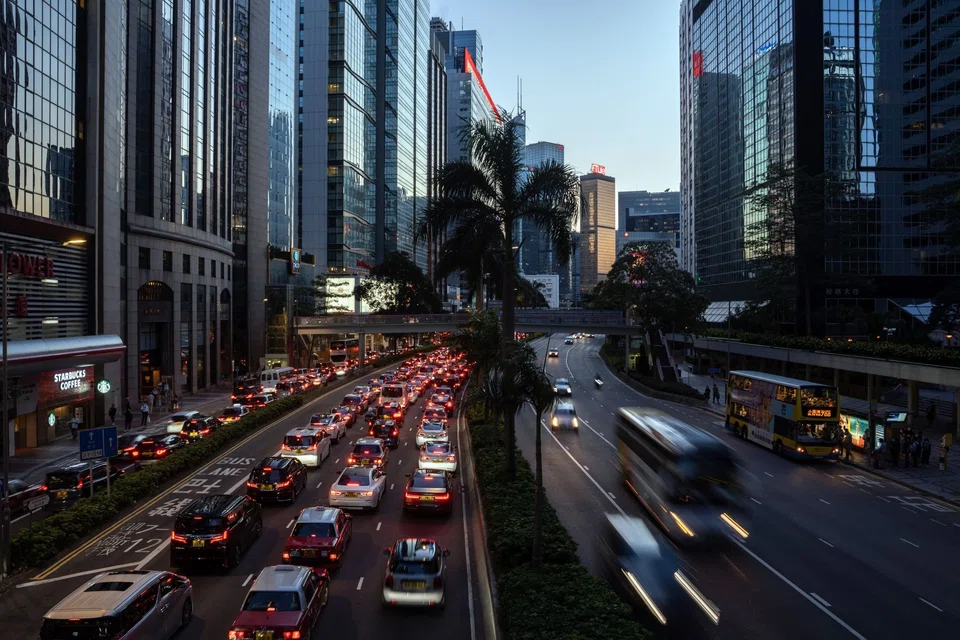
HONG KONG’S move to halt flight bans removed one of the biggest headaches for travellers. Yet residents who want to go abroad still face another hurdle: Finding a hotel quarantine room for their return.
The city’s 24,000 designated hotel quarantine rooms for August until the end of October are struggling to meet demand, as recent decisions to slash isolation to 7 days and reopen the border to non-residents prompted a surge of travellers who snapped up reservations sometimes months in advance.
The non-resident rule has also prompted Chinese travellers to use Hong Kong as a gateway to the mainland, where international flight connections are scarce as President Xi Jinping tries to shut out the virus.
In that environment, travellers are struggling to book quarantine rooms, scalpers are entering the market and properties have raised their own prices.
Foreign business chambers last month told the Liaison Office, Beijing’s main body overseeing Hong Kong, the city must end quarantine to remain a finance hub, according to many people familiar with the matter. Regional rival Singapore has reopened its borders, as the world beyond China allows much freer entry.
Hong Kong’s new leader, John Lee, pledged this week to reduce travel “inconvenience”, while also stressing the need to reduce Covid cases and limit deaths - key requirements to open the mainland border. His decision to make pausing the flight ban system his first Covid policy move since taking office on Thursday bolstered optimism he’ll ease quarantine requirements, too.
Travel back to Hong Kong this summer is already expensive as the cost of global air tickets rise. But returning to the mainland is perhaps even harder. China has severely limited international flights as it tries to block the spread of the more-infectious Omicron variant meaning only 93,000 people landed on such routes in April, the month for which figures are most recently available, representing a 31.5 per cent year-on-year dip.
As more Chinese travellers come through Hong Kong, scalpers are capitalising. Hong Kong authorities last month imposed measures to curb the scalpers problem, stipulating hotels must prevent agencies from block booking, ensure reservations are under a real name with full payment and require third parties to provide receipts showing the official rate.
A spokesperson for the Food and Health Bureau said in an e-mail the government had written to all quarantine hotels to restate their obligations and any venue found not complying would be investigated or removed from the programme.
But some said the measures had not been effective and the same problems persisted.
While authorities in Singapore, New Zealand and Australia operated their now-retired hotel quarantine systems, Hong Kong has left it open to the market. That means the “resources go to people with the most money”, said Perry Yiu, a lawmaker representing the tourism industry. “It’s not illegal but it’s a matter of fairness.”
Hotels in the quarantine programme have also jacked up their prices, charging on average 25 per cent more now than they were one year ago for equivalent rooms, according to analysis by Bloomberg.
Despite those challenges, Jin Dong-yan, a virologist at the University of Hong Kong, said the government needed more properties to join the programme.
“The government is trying really hard to convince hotels to become quarantine hotels so supply can increase,” he said. “If in the near future they further shorten the quarantine period that might make things a bit easier.”
Until then, he added, “we just have to handle the chaos.” BLOOMBERG
Decoding Asia newsletter: your guide to navigating Asia in a new global order. Sign up here to get Decoding Asia newsletter. Delivered to your inbox. Free.
Share with us your feedback on BT's products and services