

HSBC, StanChart most exposed to Middle East conflict among European banks: JP Morgan
The brokerage says rising energy costs will affect corporate-lending exposure, particularly in sectors such as agriculture and transport
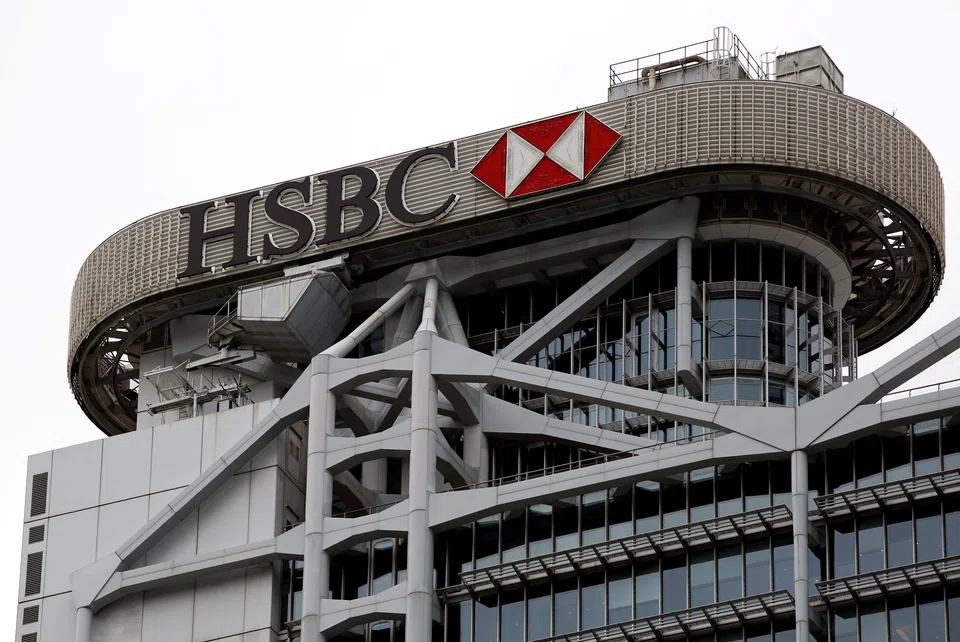
[NEW YORK] Among major European banks, HSBC and Standard Chartered (StanChart) are most exposed to the conflict in the Middle East, potentially pressuring earnings, JP Morgan cautioned on Thursday (Mar 12).
Earlier this week, the STOXX 600 Banks index touched a three-month low, having fallen nearly 6 per cent since the last close of Feb 27.
HSBC dropped over 5 per cent on Thursday, and StanChart fell more than 2 per cent.
Rising energy costs will affect corporate-lending exposure, particularly in the agriculture, manufacturing, construction and transport sectors, the brokerage said.
It forecast Middle East exposure – excluding Turkey and Egypt – for StanChart’s revenue and profit before tax (PBT) to be about 8 and 12 per cent, respectively.
For HSBC, it estimated revenue and PBT exposure at about 4 per cent.
PBT exposure could go up to nearly 9 per cent when including Egypt, Turkey and Saudi Arabia markets for the bank, it said.
However, since its Middle East portfolios are concentrated among high-rated corporates, JP Morgan labels earnings pressure, instead of credit losses, as the primary risk.
It estimates HSBC’s Middle East lending exposure, largely comprising the United Arab Emirates and Qatar, to be about US$23 billion for FY2025, worth about 2 per cent of its total loan portfolio.

The brokerage also expects additional loan exposures relating to the lender’s 31 per cent stake in Saudi Awwal Bank and multinational client exposure in other global entities.
StanChart has disclosed about US$9 billion of loans to the UAE in FY2025, equivalent to nearly 2 per cent of its total loan book, with about US$6 billion of loans booked in its UAE branches as at the third quarter, JP Morgan said.
Other European banks including Julius Baer, Societe Generale, ING, Barclays, Banco Santander, BNP Paribas and Deutsche Bank have limited exposure with less than 1 per cent for both revenue and profit, JP Morgan added.
About 11 per cent of assets under management for Julius Baer comes from clients in the Middle East.
However, the brokerage expects both UBS and Julius Baer to benefit from multiple wealth-booking centres with high-net-worth individuals diversifying their wealth to protect it from geopolitical risks.
Separately, UBS Global Wealth Management downgraded European banks to “neutral” in a note on Wednesday, citing limited scope for sustained gains beyond an initial rebound, even if energy flows are restored swiftly. REUTERS
Decoding Asia newsletter: your guide to navigating Asia in a new global order. Sign up here to get Decoding Asia newsletter. Delivered to your inbox. Free.
Share with us your feedback on BT's products and services
TRENDING NOW

Once staunchly pro-China, Malaysian Chinese businesses are now distancing themselves from Beijing

Looking beyond looming CEO succession, should UOB potentially pursue a transformative merger?

Could stablecoins be the future of money?

Grab CEO’s wife Chloe Tong on life with Anthony Tan and finding her purpose

