IMF sees heavy hit to German economy from Russian gas stop
 Add BT as a preferred source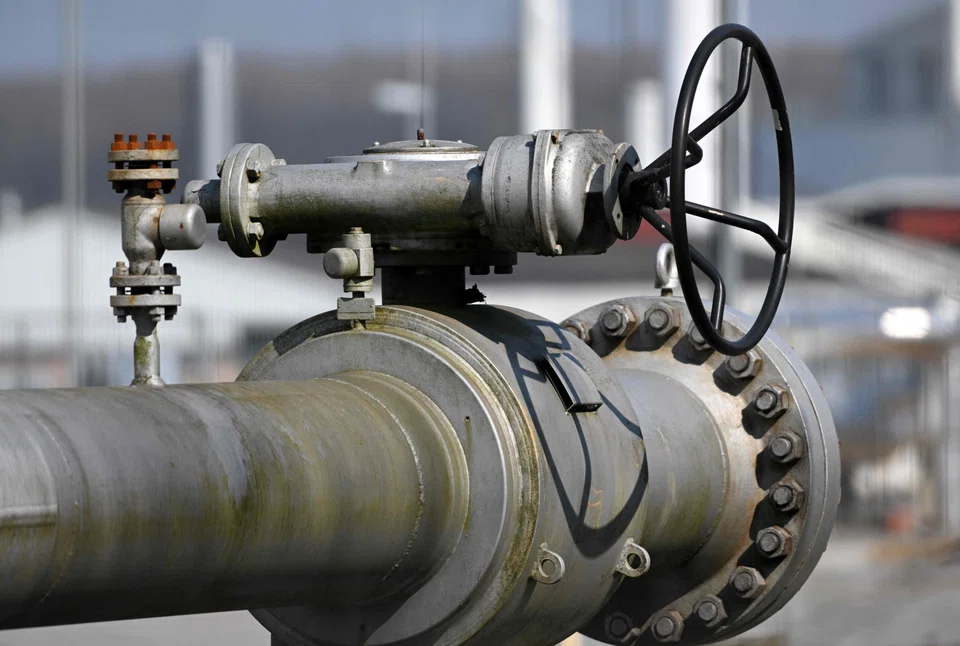
HALTING Russian gas supplies to Germany would cost Europe's largest economy 1.5 per cent of its GDP in 2022, the International Monetary Fund (IMF) said on Wednesday (Jul 20), as concerns mount that Moscow will further squeeze supply.
This year's loss would be followed by a negative impact of 2.7 per cent in 2023 and a 0.4-per cent reduction in 2024, according to an IMF forecast where gas deliveries were assumed to have stopped on June 1.
A potential shutoff "could cause sizable reductions in German economic activity and increases in inflation", the IMF said in a statement.
Supplies to Germany from Russia are currently at zero as the Nord Stream pipeline undergoes maintenance, after Moscow initially slashed deliveries by 60 per cent in mid-June citing a delayed gas turbine repair.
Berlin has rejected Gazprom's turbine explanation and believes Russia is squeezing supplies in retaliation for Western sanctions on Moscow over its invasion of Ukraine.
Works on the pipeline are due to finish Thursday, with officials watching closely to see if and at what levels supplies resume.
The risks for the economy from a complete shutdown, as well as a weak global economy and widespread supply bottlenecks "loom large", the IMF said.
The same headwinds meant that German "growth is likely to be muted in the coming quarters", it said.
In its standard forecast, the IMF sees the German economy growing by 1.2 per cent in 2022 and just 0.8 per cent in 2023.
Meanwhile, the rising price of energy associated with the gas supply reductions already seen also meant that inflation is "likely to remain elevated in the next 2 years", the IMF said.
The IMF forecast inflation in Germany to sit at 7.7 per cent in 2022 and 4.8 per cent in 2023.
A complete Russian gas shut-off could potentially increase those figures by up to 2 per centage points in 2022 and 3.5 per centage points in 2023 in an "extreme" scenario where Europe struggles to source alternative supplies, it said. AFP
Decoding Asia newsletter: your guide to navigating Asia in a new global order. Sign up here to get Decoding Asia newsletter. Delivered to your inbox. Free.
Share with us your feedback on BT's products and services