
IMF warns of ‘uncertainty’ in Japan’s monetary policy, flags potential global spillover
 Add BT as a preferred source
THE International Monetary Fund (IMF) on Thursday (May 4) warned of “uncertainty” around the direction of Japan’s monetary policy, saying a possible shift from ultra-low interest rates could have a significant impact on global financial markets.
Krishna Srinivasan, director of the IMF’s Asia and Pacific department, also pointed to risks surrounding Asia’s economic outlook. Such risks include weakening exports to advanced economies, slowing productivity in China, and a fragmentation of global trade.
“Over the medium term, we expect the Chinese economy to experience a slowdown in productivity and investment, which will lower growth below 4 per cent by 2028,” he said.
“In addition, we see a risk that the global economy fragments into trading blocs,” which could deal a particularly heavy blow to export-reliant Asia, he added during a briefing at the Asian Development Bank’s annual meeting in Incheon.
While most Asian central banks must keep tightening monetary policy, Japan remains an exception with inflation still moderate. But this could change.
“There is uncertainty around the direction of monetary policy in Japan, amid a rise in inflation,” Srinivasan said.
Navigate Asia in
a new global order
Get the insights delivered to your inbox.
“Changes in Japan’s monetary policy that lead to further increases in government bond yields could have global spillovers through Japanese investors, who have large investment positions in debt instruments abroad. Portfolio rebalancing of these investors could trigger a rise in global yields, causing portfolio outflows for some countries,” he added.
With inflation exceeding the Bank of Japan’s 2 per cent target, markets are rife with speculation that the central bank could modify its bond yield control policy in the coming months.
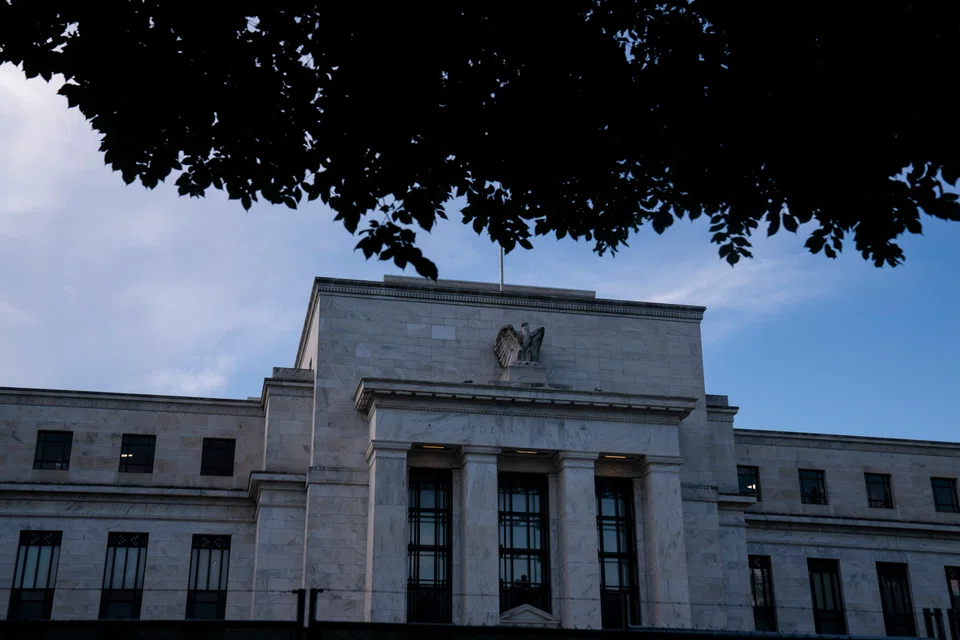
The BOJ kept ultra-low interest rates last Friday, but announced a plan to review its past monetary policy moves, laying the groundwork for new governor Kazuo Ueda to phase out his predecessor’s massive stimulus programme.

Srinivasan said China’s rapid recovery after its reopening from pandemic-related curbs will likely lift exports in some Asian countries, including South Korea.
While headline inflation is moderating in South Korea on lower energy prices, core inflation excluding food and energy costs has yet to come down decisively, he said.
That means the Bank of Korea (BOK) must avoid a premature monetary easing, though it should also minimise the risk of tightening policy too much, he said.
“Taking these considerations together, the BOK has appropriately paused rate hikes in the February and April meetings, while keeping options open for further hikes depending on incoming data.” REUTERS
Decoding Asia newsletter: your guide to navigating Asia in a new global order. Sign up here to get Decoding Asia newsletter. Delivered to your inbox. Free.
Share with us your feedback on BT's products and services

