
India approves vaccines; other nations fighting virus resurgence
 Add BT as a preferred source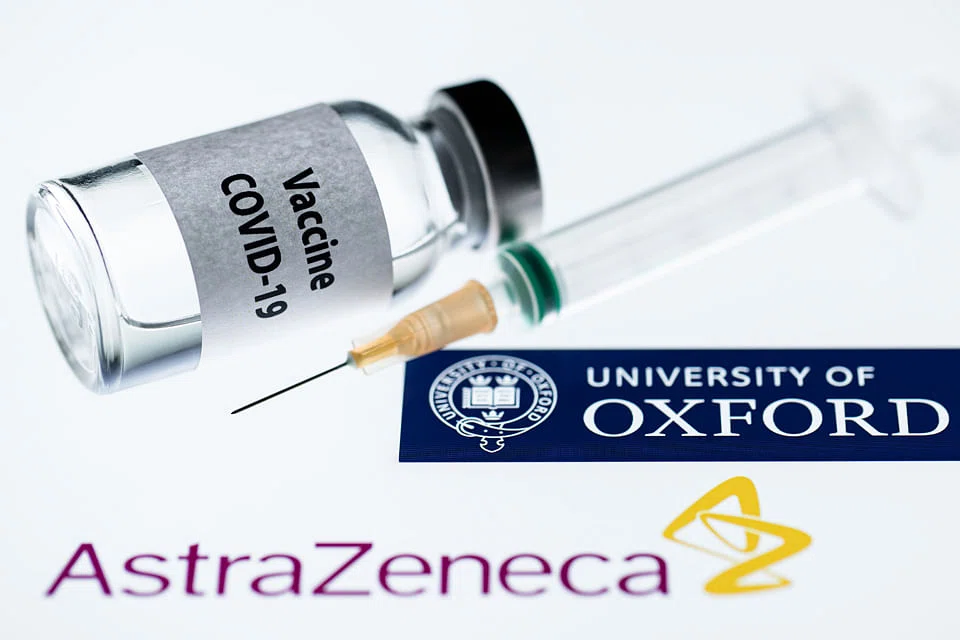
New Delhi
INDIA on Sunday approved emergency use of two Covid-19 vaccines to kick off one of the world's biggest inoculation drives.
The second-worst affected country, has authorised use of shots developed by AstraZeneca and Oxford University and by local pharmaceutical firm Bharat Biotech, the country's drug regulator said.
The Serum Institute of India, the world's biggest manufacturer of vaccines, has said it is making between 50 and 60 million doses a month of the AstraZeneca/Oxford vaccine, which is cheaper than the Pfizer-BioNTech jab and easier to store and transport.
But the decision to grant emergency approval to Bharat Biotech's Covaxin faced questions because there was no published efficacy data for the homegrown coronavirus vaccine.
Covaxin was jointly developed with a government institute and means India joins a small list of countries to have approved its own coronavirus shot.
Navigate Asia in
a new global order
Get the insights delivered to your inbox.
Bharat has partnered with drug developer Ocugen Inc to co-develop it for the US market, and Brazil has signed non-binding letters of intent to buy the shot. The company has said it is in discussions with more than 10 countries about Covaxin.
"While this vaccine addresses an unmet medical need during this pandemic, our goal is to provide global access to populations that need it the most," Bharat Biotech chairman Krishna Ella said in a statement. "Covaxin has generated excellent safety data with robust immune responses to multiple viral proteins that persist."
Neither the company nor India's Central Drugs Standards Control Organisation would reveal its efficacy results. A source with knowledge of the matter told Reuters its effectiveness could be more than 60 per cent with two doses.
China also did not publish detailed efficacy data for a vaccine it authorised on Thursday but its developer has shared interim data.
"On what basis was this approval given when Bharat Biotech has NOT shown enough data proving safety & efficacy?" transparency activist Saket Gokhale asked on Twitter. Mr Gokhale has filed a request under India's right-to-information law asking the government for safety and other data for the two vaccines approved on Sunday.
Covaxin has been fast-tracked like no other vaccine in India. The company said in November it was likely to be launched in the second quarter of 2021, while a government scientist had suggested it might be February or March.
Opposition lawmakers and former ministers on Sunday questioned the lack of transparency in approving it.
"Approval was premature and could be dangerous," said opposition lawmaker and former minister Shashi Tharoor, asking Health Minister Harsh Vardhan for an explanation.
"Its use should be avoided till full trials are over. India can start with the AstraZeneca vaccine in the meantime."
Mr Vardhan urged Indians to trust that "stringent protocols" had been followed to ensure the safety and efficacy of the two approved vaccines.
In the largest such trial in India, Bharat Biotech said it had recruited 23,000 volunteers out of a target of 26,000 for an ongoing Phase III trial of Covaxin which began in November.
India has set an ambitious target of inoculating 300 million of its 1.3 billion people by mid-2021.
Countries around the globe are hoping that the roll-out of vaccines will bring under control a pandemic which has infected 84.6 million people and killed more than 1.8 million since it first emerged in China just over a year ago.
With vaccine production and mass inoculation programmes likely to take months, countries have tightened restrictions to fight a virus resurgence as experts predict a sharp rise in cases after weeks of holiday gatherings.
From local curfews to alcohol bans and complete lockdowns, governments are trying to tackle a surge in infections.
In Bangkok, the city's nightlife shut down following a ban on bars, nightclubs and restaurant alcohol sales, among a raft of restrictions aimed at curbing Thailand's rising virus toll after an outbreak at a seafood market last month.
Public schools in the Thai capital are also set to close for two weeks.
In Tokyo, the city's governor asked the Japanese government to declare a new state of emergency as the country battles a third wave, with record numbers of new cases.
And South Korea extended its anti-virus curbs until Jan 17 in the greater Seoul area, including a ban on gatherings of more than four people, which will be widened to cover the whole country. The soaring number of infections means the race to vaccinate is likely to dominate the coming year.
In the United States, the vaccine roll-out has been beset by logistical issues, while the world's worst-hit country has passed 20 million cases and 350,000 deaths.
The US has seen a surge in infections in recent months and on Saturday saw its highest number yet recorded in one day, with more than 277,000. Veteran talk show host Larry King became the country's latest high profile case as he was hospitalised in Los Angeles, US media reported.
In Russia, health minister Mikhail Murashko said more than 800,000 people had received the domestically produced Sputnik V vaccine and that 1.5 million doses had been distributed throughout the country of around 147 million. The Kremlin has held back on imposing nationwide virus restrictions, instead placing its hopes on the mass vaccination drive to end the pandemic and save its struggling economy.
The French government has lengthened an overnight curfew by two hours in parts of the country to help combat the virus, with the shutdown now starting at 6.00 pm, mainly in the east. Paris has, for now, been spared the additional restriction.
The new French restrictions came as police booked more than 1,200 revellers on Saturday for taking part in an illegal rave in the country's northwest.
Around 800 of them were booked for flouting anti-virus measures, and the regional health authority in Brittany noted a "high risk of the spread of Covid-19" at the event. "We knew what we were risking . . . we had to party, for a year everything has been stuck," said a 20-year-old waitress.
Spanish police broke up another gathering near Barcelona on Saturday, where 300 people had been partying for more than 40 hours.
Footballers were also among those caught breaking the rules, with Tottenham's Erik Lamela, Sergio Reguilon and Giovani Lo Celso to be disciplined after a picture emerged of them attending a large party. AFP, REUTERS
Decoding Asia newsletter: your guide to navigating Asia in a new global order. Sign up here to get Decoding Asia newsletter. Delivered to your inbox. Free.
Share with us your feedback on BT's products and services

