

India begins counting over 1 billion people in digital census
The updated data will inform decisions on welfare spending, urban planning and electoral representation
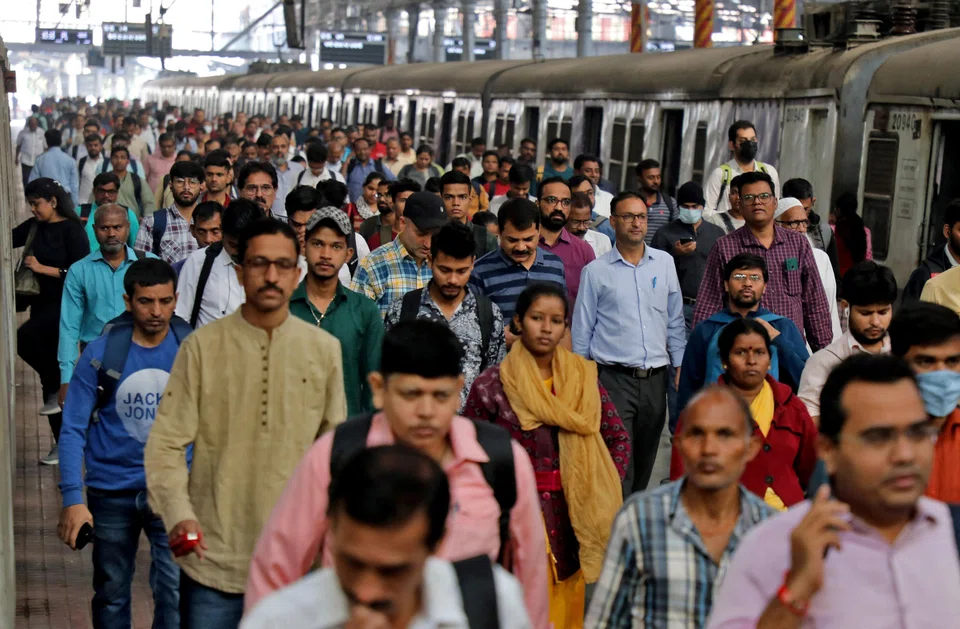
[NEW DELHI] India has begun its long-delayed national census, a policy-shaping exercise that will collect a wide range of data and, for the first time since independence, include citizens’ caste.
The population count – the country’s first in 15 years – will deploy about 3.3 million officials to collect information on more than a billion people, covering everything from marital status to mobile connections.
Originally scheduled for 2021, it was delayed by the Covid-19 pandemic and national elections. The government describes it as the world’s largest of its kind.
India’s last official count in 2011 recorded 1.21 billion people, and the population is now estimated at over 1.4 billion, making it the world’s most populous nation, according to the United Nations.
Officials say the updated data will inform decisions on welfare spending, urban planning and electoral representation as New Delhi seeks to sustain rapid economic growth while managing stark regional disparities. Conducted digitally in two phases, the exercise will include caste data for the first time in more than seven decades.
“Government will come to know which caste has how much population, and can tailor welfare measures accordingly,” said Sanjay Kumar, director at the Centre for the Study of Developing Societies, a New Delhi-based research institute.
As it is a digital census, the time needed to compile consolidated data will be shorter, giving a boost to the government’s policymaking, he added.
The first phase of the census, which began on Wednesday (Apr 1), focuses on housing and related infrastructure; a second phase, starting in February 2027, will cover population enumeration, including caste.
Complete data is expected by March 2027, offering granular insights into metrics such as employment, migration and household incomes, closely tracked by investors assessing the country’s consumption story.



The exercise also carries political implications, as updated population figures will feed into the redrawing of parliamentary constituencies, potentially shifting the balance of power between faster-growing northern states and the more industrialised south. BLOOMBERG
Decoding Asia newsletter: your guide to navigating Asia in a new global order. Sign up here to get Decoding Asia newsletter. Delivered to your inbox. Free.
Share with us your feedback on BT's products and services
TRENDING NOW

ComfortDelGro appoints two new independent directors

Once staunchly pro-China, Malaysian Chinese businesses are now distancing themselves from Beijing

NoonTalk needs continued financial support from CEO Dasmond Koh, auditors warn

DP Architects sets the benchmark for sustainability disclosure and design

