

India regulator stalls new exchanges’ entry into options market
The board will not grant permission to launch derivatives until there is a satisfactory underlying liquid cash market
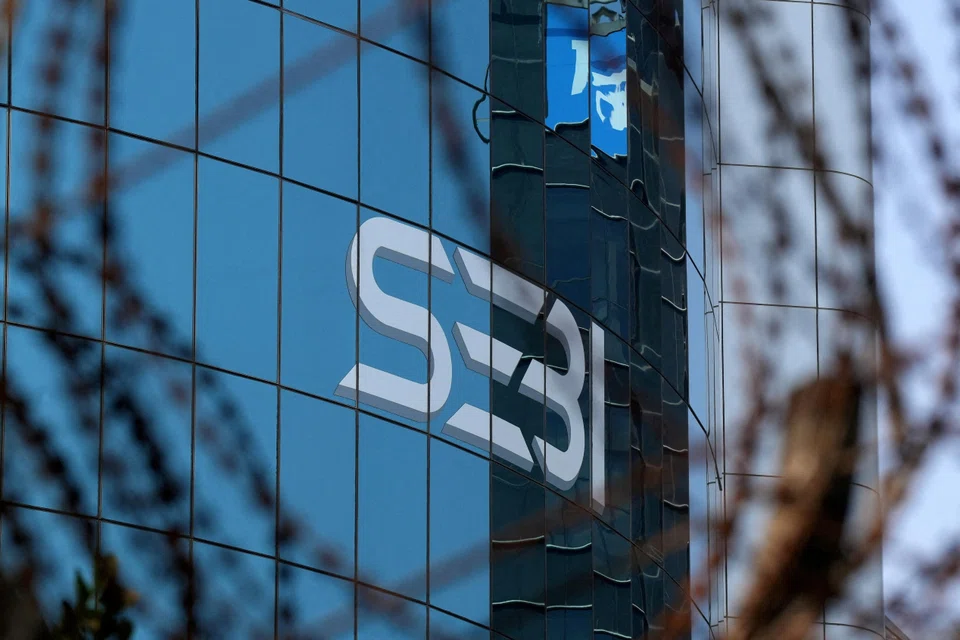
[MUMBAI] India’s market regulator has stopped the country’s two newest exchanges from offering trading in equity derivatives, and has asked them to build up their share-trading businesses first, two regulatory sources said.
In late 2025, the National Commodity and Derivatives Exchange (NCDEX) and the Metropolitan Stock Exchange (MSE) separately sought approval from the Securities and Exchange Board of India (SEBI) to launch and develop equity cash and derivative products, based on exchange disclosures.
NCDEX predominantly trades in agricultural commodities; MSE mainly offers currency derivatives and has very thin equity volumes. Both the exchanges have been looking to diversify their businesses.
SEBI’s decision underscores the continued caution over India’s soaring equity derivatives market, where premiums are now roughly twice the size of the cash market, against the 2 to 3 per cent in major global economies.
The regulator’s directive to the exchanges, telling them to pause plans for derivatives products, has not been previously reported.
Despite steps taken to cool derivative trading, India’s National Stock Exchange (NSE) remains the most active derivatives exchange, accounting for more than 70 per cent of the index options contracts traded worldwide, based on data from the World Federation of Exchanges.
In February, the government raised the transaction taxes to help cool derivative trading volumes. Studies have shown that 90 per cent of retail investors incurred losses.
“SEBI wants there to be a gap of at least six months between the launch of cash equities and equity derivatives,” the first source said. “The exchanges won’t be granted permission to launch derivatives, until SEBI is satisfied that there is an underlying liquid cash market.”
The regulator does not want new players to further fuel derivatives trading without first establishing an underlying cash market, it added.
The second source said: “The exchanges will be required to demonstrate sufficient cash market participation, liquidity and price discovery before being permitted to launch derivatives.”
The sources declined to be identified as they were not authorised to speak to the media. SEBI and NCDEX did not respond to requests for comment.
MSE did not answer questions about its equity derivatives plans, but said that it is “in the process of appointing market makers to strengthen liquidity and market depth in its equity segment”.
Equity trading in India is dominated by the NSE and its older peer, Bombay Stock Exchange.
Both NCDEX and MSE raised capital in 2025 to fund their expansion into equities and upgrade technology.
NCDEX raised 7.7 billion rupees (S$107.6 million) from 61 investors, including global trading giants such as Citadel Securities and US-based high-frequency-trading firm Tower Research.
MSE raised 12 billion rupees from private equity firms, including Peak XV Venture Partners Investments VII, and leading India brokerages, including Groww and a unit of Zerodha.
SEBI has also asked the two exchanges to upgrade their technology before entering the equity segment.
“Until the exchanges demonstrate robust technology, there is no question of them starting equity trading, let alone derivatives,” the first source added. REUTERS
Decoding Asia newsletter: your guide to navigating Asia in a new global order. Sign up here to get Decoding Asia newsletter. Delivered to your inbox. Free.
Share with us your feedback on BT's products and services
TRENDING NOW

KKR founders among investors buying 42% of Peter Lim’s Valencia; club valued at US$1.4 billion

Singapore’s central gas buyer affirms Indonesia’s role as ‘important partner’ amid export review warning

Why the biggest business decision about AI isn’t which model to choose

NEA issues notices to 10 Singapore-based companies, including Wilmar and APP, over haze

