

India seeks to revive private investment in high-speed roads
The target is to award projects worth one trillion rupees to the private sector by fiscal year 2027
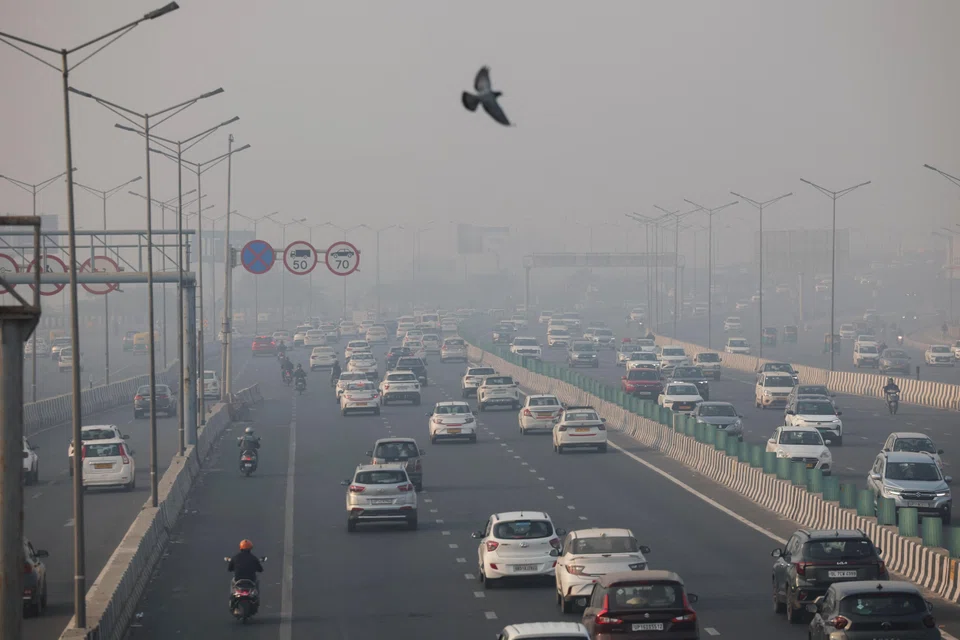
[MUMBAI] India is working to lure private capital back into highway construction, a decade after investors retreated over concerns about revenue risks and bureaucratic delays.
The government is preparing new rules that promise revenue protection for developers and invite global funds to bid for projects to accelerate expressway expansion, according to people familiar with the matter.
The framework is expected to be finalised this month and the target is to award projects worth one trillion rupees (S$13.9 billion) to the private sector by fiscal year 2027, said the people, who asked not to be identified as the discussions are private.
Prime Minister Narendra Modi’s government wants private investment to account for up to 25 per cent of highway development next year, compared with the current low single digits, the people said. Private capital has largely avoided the sector for the past decade, forcing the administration to rely heavily on public funds to bridge infrastructure gaps.
Expanding corporate participation
In the latest Budget, India announced infrastructure spending of 12.2 trillion rupees for the coming financial year, a 9 per cent increase from last year. Outlays for roads and bridges will rise 6.9 per cent to 3.1 trillion rupees.
India’s push to revive private investment in highways is part of a broader effort to expand corporate participation across infrastructure. The government is moving to privatise loss-making airports by bundling them with profitable ones to attract bidders, and it is encouraging foreign partnerships in shipbuilding. Together, these efforts signal a coordinated strategy to draw more private funds into sectors long supported by public spending.
India’s Road Transport and Highways Ministry didn’t immediately respond to an emailed request for comments.
India’s highway sector once attracted significant private investment through the Build-Operate-Transfer (BOT-Toll) model, where developers recovered costs via toll collections during concession periods. Interest in this model has dwindled: between April and November last year, only 1 per cent of projects were awarded under BOT-Toll. Instead, government-backed Hybrid Annuity Model, and Engineering, Procurement and Construction contracts accounted for 99 per cent of the 26,425 kilometers of roads awarded.
Industry grievances
The new norms are tailored to address industry grievances, including delays in mandatory approvals and competition from parallel road projects that eroded toll revenues. By allowing investment funds to participate directly, India will align itself with global practices where financial investors can bid for projects and later bring in technical partners for execution.
The renewed push for private capital is intended to modernise infrastructure and reduce logistics costs, as well as strengthen India’s competitiveness against China.
The government plans to expand the high-speed network fivefold within a decade, backed by a planned investment of 11 trillion rupees, people familiar had said last year.
To bolster investor confidence, the government will set up an Infrastructure Risk Guarantee Fund, Finance Minister Nirmala Sitharaman said in her Budget speech this month.
Estimates from Deloitte India suggest that the country could attract billions of dollars in infrastructure investment over the next three years. BLOOMBERG
Decoding Asia newsletter: your guide to navigating Asia in a new global order. Sign up here to get Decoding Asia newsletter. Delivered to your inbox. Free.
Share with us your feedback on BT's products and services
TRENDING NOW

Once staunchly pro-China, Malaysian Chinese businesses are now distancing themselves from Beijing

Looking beyond looming CEO succession, should UOB potentially pursue a transformative merger?

Could stablecoins be the future of money?

Grab CEO’s wife Chloe Tong on life with Anthony Tan and finding her purpose

