

India’s budget math brightens with asset sales target in sight
A long-delayed privatisation of IDBI Bank will help India surpass its disinvestment and asset-monetisation target
[MUMBAI] India’s fiscal outlook has improved from the worst-case scenarios officials were contemplating at the height of the Iran war, with the government now set to exceed its asset-sale target for the first time in eight years, according to people familiar with the situation.
A long-delayed privatisation of IDBI Bank will likely see the government surpass its 800-billion-rupee (US$8.4 billion) annual disinvestment and asset-monetisation target, the people said. That would mark the first time since 2018-19 that the government would meet the budgeted goal. An announcement on the IDBI deal is expected soon, the people said.
Stronger tax collections and easing global fertiliser costs as urea prices decline are also helping the government’s coffers, the people said.
The improving fiscal outlook contrasts with the start of the financial year in April, when the government cut fuel excise duties to protect consumers from higher energy costs, hitting its revenue by about US$12.9 billion. By June the situation was so dire that officials were prepared to let the deficit widen to as much as 4.8 per cent of gross domestic product while reassuring ratings firms that any slippage would reflect global shocks rather than a retreat from fiscal discipline.
A final approval to seal IDBI’s stake sale is still pending. A spokesperson for the Ministry of Finance didn’t respond to a request for a comment.
India is the world’s third-biggest oil importer but has proved less vulnerable to the Iran conflict than initially feared. Official data on Monday will likely show the economy grew 7.3 per cent last quarter, weathering the oil shock without a sharp loss of momentum.

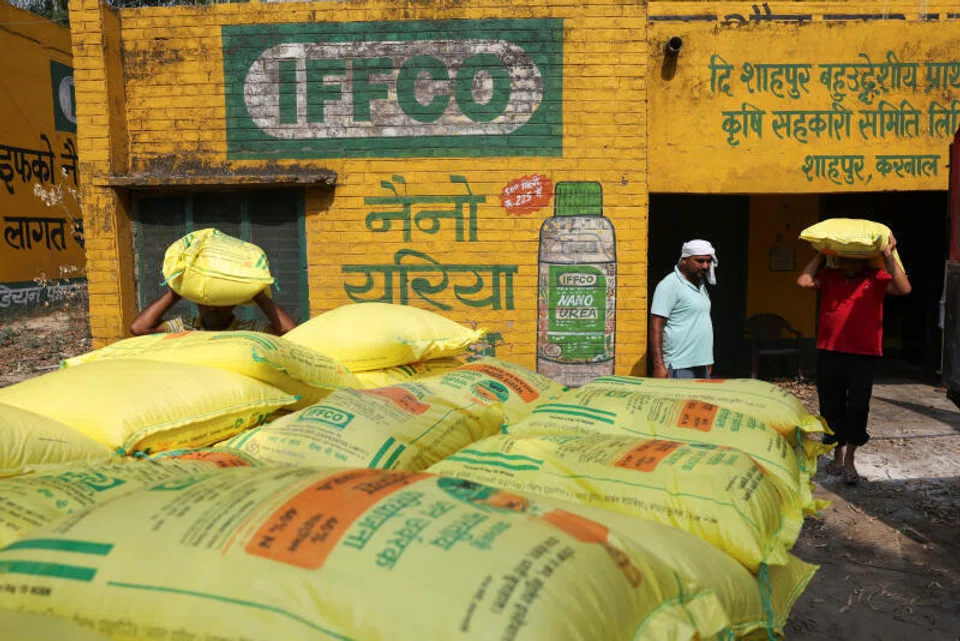
The fertiliser and finance ministries have been in regular touch to discuss projections for the subsidy bill, which is now seen around US$24.1 billion in the current fiscal year through March, officials told Bloomberg News. That is down from estimates of as high as 3 trillion rupees in April, according to the people. The decline is driven largely by a 60 per cent plunge in urea prices from their April peak to below US$400 a ton in the latest tender.
Fertilizer subsidy accounts for 3.2 per cent of total government expenditure. Further helping supplies, Russian President Vladimir Putin this week pledged to boost fertiliser shipment to India.
Tax collections are providing another cushion. Net tax revenue reached more than a fifth of full-year estimates in the June quarter, compared with 19 per cent a year earlier, official data showed. Overall revenue receipts reached 28.7 per cent of the annual target, up from 26.9 per cent. BLOOMBERG
Decoding Asia newsletter: your guide to navigating Asia in a new global order. Sign up here to get Decoding Asia newsletter. Delivered to your inbox. Free.
Share with us your feedback on BT's products and services
TRENDING NOW

DBS, OCBC, UOB rout lops billions off STI as inflation, rate concerns spook investors

Grab CEO’s wife Chloe Tong on life with Anthony Tan and finding her purpose

OCBC sheds S$8 billion in value as shares close nearly 6% down; analysts cautious on banks

Deal between tycoon friends sparks scrutiny of Philippine power sector

