India’s central bank deploys US$12 billion to defend rupee as Iran war jolts markets
The scale of the intervention underscores the challenge it faces in containing volatility triggered by the conflict
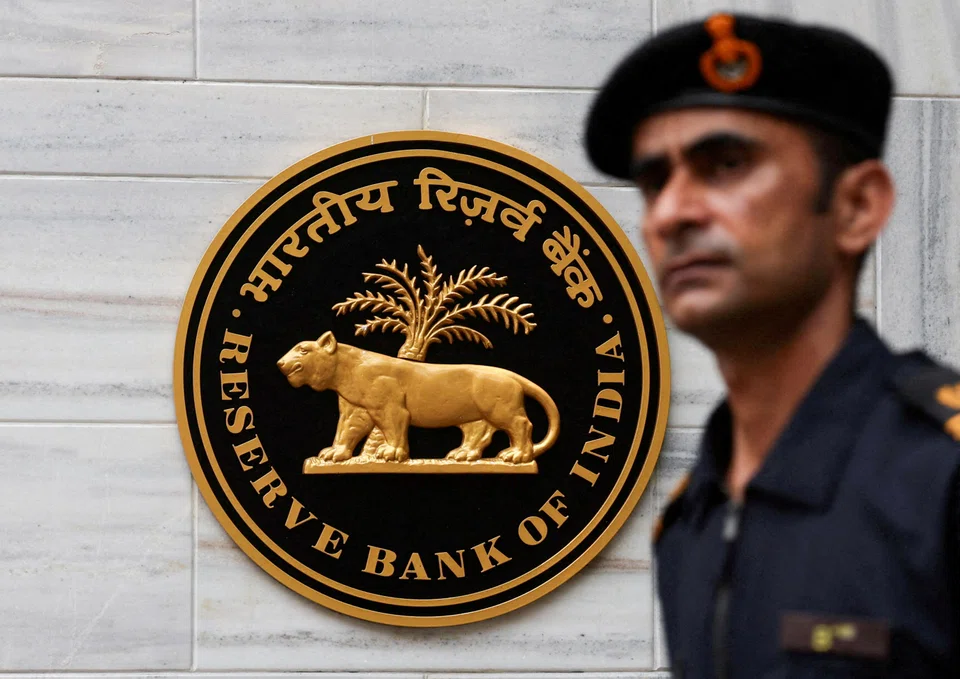
[MUMBAI] India’s central bank has mounted an aggressive defence of the rupee in the first week of March, deploying an estimated US$12 billion to contain the fallout from an escalating Middle East war that has pummelled markets and pushed the South Asian currency to an all-time low, seven bankers said.
The figure is the median of estimates they shared with Reuters, with the projections ranging from US$9 billion to more than US$15 billion.
The scale of the intervention underscores the challenge the Reserve Bank of India (RBI) faces in containing volatility triggered by the Middle East conflict, which has entered its seventh day.
The conflict has widened in the Gulf, pushing oil prices up about 16 per cent in the first week of March, leading to US$2 billion of foreign outflows from Indian equities and spurring importers to increase hedges of near-term payment obligations.
The RBI’s heavy intervention comes against the backdrop of India’s foreign-exchange reserves which, at more than US$723 billion, are among the largest in the world.
All the bankers spoke on condition of anonymity, as they are not authorised to speak publicly.
The RBI, which says it intervenes to curb forex volatility and not target a rate, did not respond to an e-mailed request for comments.
Central bank casts a wide net
“We have seen the RBI’s footprint in the spot, forwards, futures and non-deliverable forward (NDF) this week. The bulk of the activity appears to have been in the NDF,” one of the bankers, who works at a state-owned lender, said.
The bankers said that the intervention was heaviest on Thursday (Mar 5), when the RBI sold US dollars before the Indian market opened.
It is a tactic the central bank deployed in the past when depreciation pressures intensified.
Pre-market intervention tends to have an outsized effect since liquidity is relatively low at that time, allowing modest US dollar sales to sway the currency sharply while resetting sentiment.
After an initial push, the RBI typically needs to continue selling US dollars throughout the day to reinforce the price signal and prevent the currency from slipping back, bankers said.
On Thursday, the South Asian currency rallied by nearly one rupee (S$0.01) in the interbank order-matching system within a few minutes on the back of the pre-open intervention, moving from around 92.1 rupees to about 91.1 rupees for each US dollar.
Since then, the rupee has trimmed a part of its rally, and was quoting at 91.7 rupees for each US dollar at 2 pm IST on Friday. REUTERS
Decoding Asia newsletter: your guide to navigating Asia in a new global order. Sign up here to get Decoding Asia newsletter. Delivered to your inbox. Free.
Share with us your feedback on BT's products and services