

India's factory activity improved in Sept as demand strengthened
 Add BT as a preferred source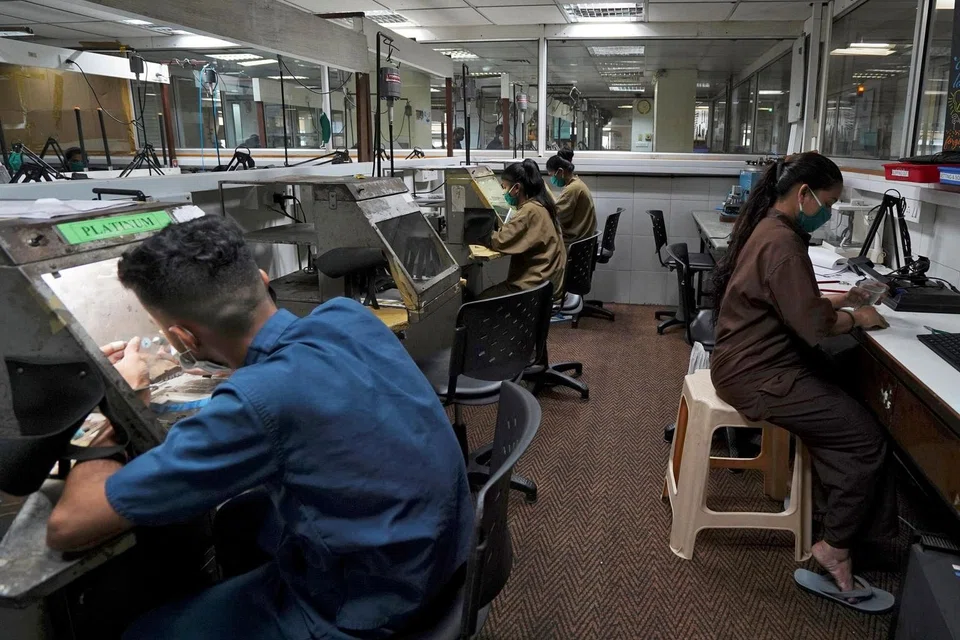
DeeperDive is a beta AI feature. Refer to full articles for the facts.
[BENGALURU] India's factory activity improved last month as a recovery in the economy from the pandemic-induced slump boosted demand and output, according to a private survey, but firms reduced headcount at the sharpest pace since May.
That recovery might continue for at least a few months, supported by ultra-easy monetary policy and continued fiscal spending.
A hike in the Reserve Bank of India's key interest rate looks to be a rare possibility until at least next fiscal year and India's government said earlier this week it would continue with its borrowing-backed spending to revive the economy.
The Manufacturing Purchasing Managers' Index, compiled by IHS Markit, rose to 53.7 in September from 52.3 in August, staying above the 50-level separating growth from contraction for the third straight month.
"Indian manufacturers lifted production to a greater extent in September as they geared up for improvements in demand and the replenishment of stocks," noted Pollyanna De Lima, economics associate director at IHS Markit.
"There was a substantial pick-up in intakes of new work, with some contribution from international markets."
Navigate Asia in
a new global order
Get the insights delivered to your inbox.
Improvements in both domestic and overseas demand saw new orders expand at a quicker pace in September and factories raised output at a significantly faster rate compared to August.
However, that failed to encourage factories to hire more workers - a much needed step to boost weak labour market conditions - and instead they reduced their workforce at the sharpest pace in four months.
"Companies continued to purchase extra inputs in September, but jobs were little changed over the month. In some instances, survey participants indicated that government guidelines surrounding shift work prevented hiring," added Ms De Lima.
Meanwhile, after moderating in the first two months of last quarter input cost inflation hit a five-month high, partly driven by rising fuel prices, transportation costs and supply-chain disruptions.
But output prices increased at a weaker pace, indicating firms were only able to partially pass on the extra costs to customers.
Still, optimism about the year ahead improved slightly last month as a continued easing of pandemic mobility restrictions raised hopes for a further improvement in demand.
REUTERS
Decoding Asia newsletter: your guide to navigating Asia in a new global order. Sign up here to get Decoding Asia newsletter. Delivered to your inbox. Free.
Share with us your feedback on BT's products and services
TRENDING NOW
‘Boring’ is the new black: The stars are aligning for a Singapore stock market revival

Aiming at China, Malaysia puts new restrictions on electric cars

Singapore tightens monetary policy for first time since 2022, raises inflation forecasts amid Iran war oil shock
Mustafa Centre begins fit-out at JB’s Capital City Mall after 2-year delay

