

India's fortunes diverge from rest of South Asia as virus surges
 Add BT as a preferred source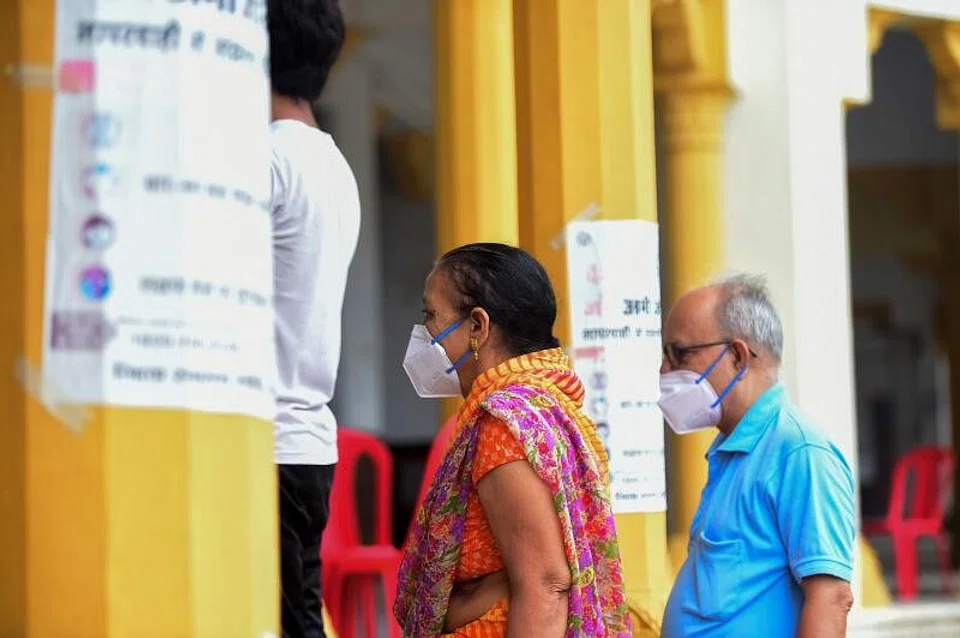
DeeperDive is a beta AI feature. Refer to full articles for the facts.
[MUMBAI] South Asia's biggest economy has been ineffective in stamping out the coronavirus outbreak and it will show up in its economic performance: India is set to lag regional peers in the race to recovery.
The relative success of Pakistan, Sri Lanka and Bangladesh in containing the virus will help their economies recover at a faster pace than India, Capital Economics Ltd said in a report to clients. India is now one of the world's virus hotspots, with about 5.5 million cases.
"New cases per capita in these three economies are far lower than in India," said Shilan Shah, senior economist at Capital Economics in Singapore. "This has enabled a faster rebound in activity." As a result, the drop in gross domestic product in 2020 will be much less severe in Bangladesh, Pakistan and Sri Lanka. Whereas, India is expected to post a double-digit slump.
Although per capita testing is higher in India compared to its neighbors, the share of tests coming back positive have fallen in the three neighbouring economies, suggesting genuine progress in getting the virus under control, according to Our World in Data figures produced by the University of Oxford and Global Change Data Lab.
"Whatever the reasons, the important point from the economic perspective is that the lower prevalence of cases has meant that containment measures have been scaled back at a quicker pace than in India," said Mr Shah.
BLOOMBERG
Decoding Asia newsletter: your guide to navigating Asia in a new global order. Sign up here to get Decoding Asia newsletter. Delivered to your inbox. Free.
Share with us your feedback on BT's products and services
TRENDING NOW
Singaporeans can now buy record amount of yen per Singdollar

Beijing’s calculated silence on the Iran war

China pips the US if Asean is forced to choose, but analysts warn against reading it like a sports result

StarHub hands Ensign InfoSecurity control back to Temasek in S$115 million deal, books S$200 million gain

