

India’s inflation stays low, leaves room for interest rate cut
It will be a very ‘close call’ as the government is set to revamp its inflation and GDP data by end-February, says economist Upasna Bhardwaj
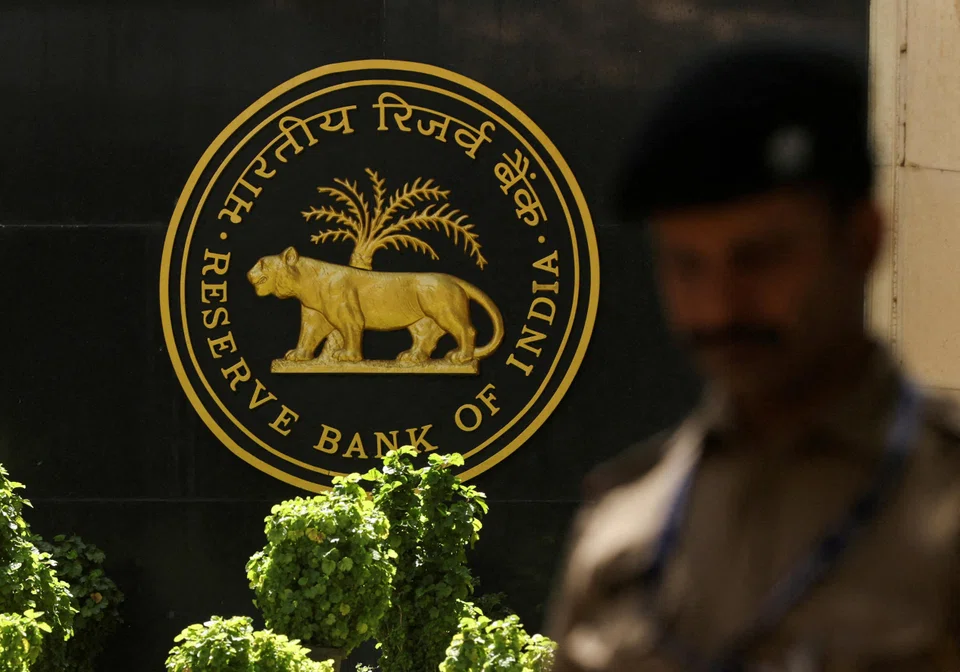
[MUMBAI] India’s inflation accelerated in December while remaining below the target range of 2 to 6 per cent set by the Reserve Bank of India (RBI), leaving ample room for the central bank to cut interest rates at its February meet.
The consumer price index (CPI) rose by 1.3 per cent from a year earlier, the Statistics Ministry said on Monday (Jan 12).
That is lower than the 1.6 per cent median estimate in a Bloomberg survey of economists, and higher than November’s 0.7 per cent reading.
“The inflationary trend remains fairly benign, creating room for the last rate cut in the upcoming policy,” said Kotak Mahindra Bank’s chief economist Upasna Bhardwaj.
However, that decision will be a “very close call” as the government is set to revamp its inflation and gross domestic product (GDP) data by end-February, she added.
The RBI cut the benchmark interest rate to a three-year low in December, and signalled it may ease borrowing costs further, citing soft inflation in recent months.
It expects the CPI to pick up from January on base effects, averaging 2.9 per cent in the remaining part of the financial year ending in March.
Instead of cutting rates at a time when growth remains strong, the RBI may also focus on supplying liquidity, “to enable transmission of past rate cuts”, said Sakshi Gupta, an economist with HDFC Bank.
India expects the GDP for the current financial year to rise by 7.4 per cent in the current financial year.

Overall, the RBI expects inflation to stay comfortably below its 4 per cent target until at least September. A scheduled review of its mandate in March may result in the government retaining the current 2 to 6 per cent target band for another five years.
Food prices, which make up about half of the consumer basket, fell by 2.7 per cent, lower than a 3.9 per cent decline in November.
Vegetable prices fell 18.5 per cent, easing from a 22.2 per cent contraction in November, while pulses prices fell by 15.1 per cent from a decline of 15.8 per cent in the same period.
Core inflation, which excludes volatile food and fuel, rose by 4.7 per cent from a year earlier, compared with 4.4 per cent in November, Bloomberg Economics’ calculations revealed. BLOOMBERG
Decoding Asia newsletter: your guide to navigating Asia in a new global order. Sign up here to get Decoding Asia newsletter. Delivered to your inbox. Free.
Share with us your feedback on BT's products and services
TRENDING NOW

Philippine power giant First Gen rebuffs foreign offers, plans up to US$2.6 billion in expansion

Vietnam’s data-centre investment rush faces reality check on power and site constraints

Singapore should prepare for prolonged haze until November, says Grace Fu

Is stagflation returning? That mostly depends on the Iran war

