

India's move to probe any computer comes under top court's lens
 Add BT as a preferred source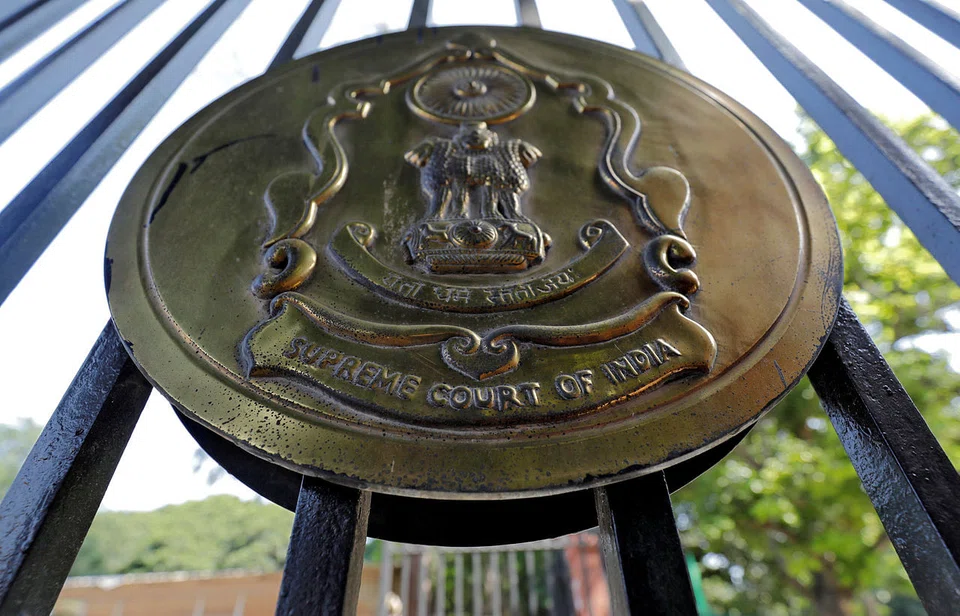
DeeperDive is a beta AI feature. Refer to full articles for the facts.
[MUMBAI] India's top court will examine whether the government's move to allow the interception and monitoring of information - such as WhatsApp and Facebook messages - on any computer infringes on the privacy of citizens in the world's largest democracy.
A three-judge bench of India's Supreme Court sought the government's response to petitions filed by activists and an internet rights group. They are challenging a December directive they describe as a surveillance scheme. Headed by its chief justice, Ranjan Gogoi, the court said Monday it will consider requests to temporarily put on hold the government's decision.
The court's decision to examine issue is among the latest in a series of cases that have brought Prime Minister Narendra Modi's government in conflict with privacy rights groups and internet companies, which have been reluctant to support the country's demand to share and decrypt messages and content.
The government has recently faced backlash from the Supreme Court, which curbed use of digital identity program 'Aadhaar' and pushed the government to roll back plans for mass scrutiny of social media posts and emails. A rebuke from the court before general elections due before May could boost the country's opposition, which has taken up the issue, claiming the government is resorting to surveillance to harass those not toeing the government line.
The government last month issued a notification that granted 10 intelligence and investigative agencies with powers of "interception, monitoring, and decryption of any information generated, transmitted, received, or stored in any computer resource." The government defended the order, saying it was a continuation of an old policy introduced by the previous Congress-led government.
Internet Freedom Foundation, a non-profit group that works on free speech and digital rights, challenged the government's decision saying it was against citizens' right to privacy, which was held as a fundamental right by the top court in 2017.
Navigate Asia in
a new global order
Get the insights delivered to your inbox.
It also challenged provisions of India's information technology law that allows the government to authorize interception of online content. "The said provisions enabling electronic surveillance are illegal and unconstitutional," according to the petition by Internet Freedom Foundation.
BLOOMBERG
Share with us your feedback on BT's products and services
TRENDING NOW

‘Boring’ is the new black: The stars are aligning for a Singapore stock market revival

Near sell-out launches in March boost developer sales to 1,300 units after four slow months

China pips the US if Asean is forced to choose, but analysts warn against reading it like a sports result

Genting Singapore’s Lim Kok Thay receives S$7.5 million pay package for FY2025

