

India’s policy rate to stay steady, may trend lower
Its trajectory will depend on the growth and inflation trends in the coming months
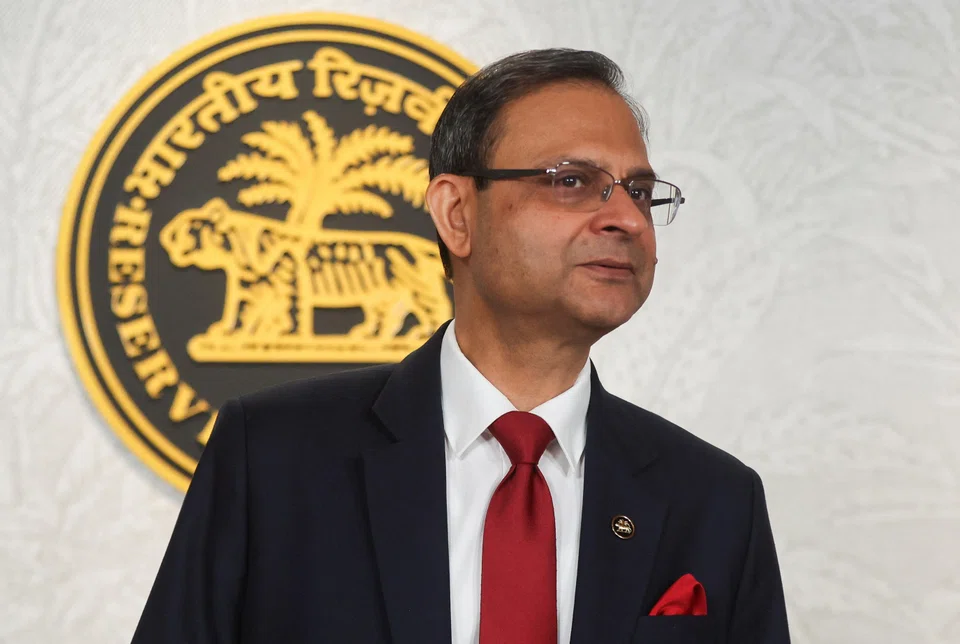
[MUMBAI] India’s policy rate will remain around its current level for an extended period and may even trend lower, the country’s central bank governor, Sanjay Malhotra, told The Economic Times in an interview published on Monday (Mar 2).
“We expect the policy rate to be around this level or lower for a long time, barring any shocks,” he said.
Speaking before the joint US-Israel strikes on Iran, he cited benign inflation that he expects will persist.
The trajectory of the rate will depend on the growth and inflation trends in the coming months.
“We are still living in very uncertain times. We will assess it meeting by meeting, based on incoming data,” he said.
The strikes killed Iran’s Supreme Leader Ayatollah Ali Khamenei on Saturday, plunging the region into chaos.
Iran retaliated with missile strikes, targeting Israel as well.
Nearly half of India’s total oil imports are at risk, as a key supply route through the Strait of Hormuz has been effectively closed to global shipping.
The six-member monetary-policy committee, headed by Malhotra, voted unanimously to keep the benchmark repo rate unchanged at 5.25 per cent in February.

The minutes of the meeting, released later, showed that the policymakers decided to pause as inflation remained soft and growth buoyant, allowing more time for the cumulative 125 basis-points cut in rates to feed through to borrowing costs.
He also said India’s macroeconomic fundamentals are strong, and he expects an increase in foreign direct investment (FDI).
Gross FDI has been robust, though outflows have occurred due to repatriations, in line with investment cycles. “This is organic and healthy,” he added.
India’s external sector is robust, and the current account remains manageable.
“Our forex reserves can cover current-account deficits over decades,” he said.
Trade deals that are being signed and in the pipeline will “help the current account and also the capital account by bringing investments into India”, he noted. BLOOMBERG
Decoding Asia newsletter: your guide to navigating Asia in a new global order. Sign up here to get Decoding Asia newsletter. Delivered to your inbox. Free.
Share with us your feedback on BT's products and services
TRENDING NOW

Once staunchly pro-China, Malaysian Chinese businesses are now distancing themselves from Beijing

Britain’s mansion tax shows the difficulty of targeting wealth

Three hats, one goal: How Ng Kian Swan runs sustainability at NUHS

COE review: The gap between luxury and mass-market cars isn’t the only one worth bridging

