

India's reserves stand out among the Brics
Its foreign currency stockpile is up 14% from a year ago, while those in Brazil, Russia, China have fallen
Mumbai
TWO years on from the emerging-market squall that offered a demonstration of what might happen when the US Federal Reserve finally raises interest rates, there's one Bric member that stands out for preparing for the storm.
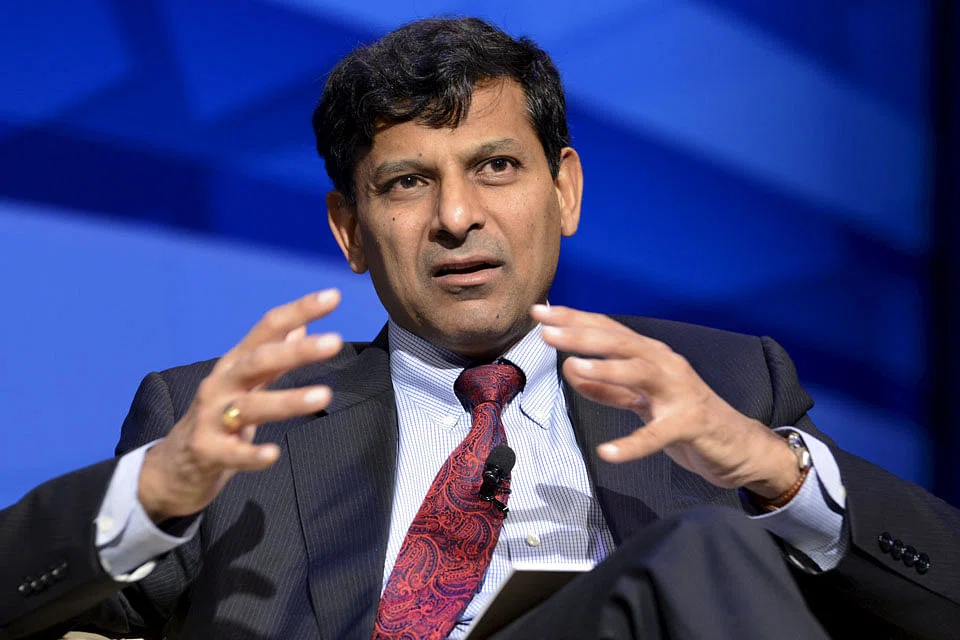
India central bank governor Raghuram Rajan has methodically built up a record US$320 billion stockpile of foreign-currency reserves, which are up 14 per cent from a year ago. By contrast, stockpiles have shrunk in Brazil, Russia and China.
That's offering greater insulation to India to defend the rupee when the Fed starts removing some of the unprecedented stimulus it's been injecting into the global system since 2007. Helped by cheaper energy imports and a growth outlook surpassing China's - according to the International Monetary Fund - India will need all the resources it can muster to minimise an exodus of capital, given its continuing external financing needs.
"It's been a very prudent and smartly managed process by Rajan," said Jonathan Cavenagh, a currency strategist at Westpac Banking Corp in Singapore. "He's been using the capital inflows into India over the past 18 months as an opportunity to really repair the foreign exchange reserves position and those benefits are going to start to pay off."
The central bank will now be able to smooth moves of the rupee, which on Thursday fell as low as 64.28 per dollar, its weakest level since Mr Rajan became governor, Mr Cavenagh said.
The rupee was among currencies that plunged to a record when the Fed first signalled a reduction in stimulus in May-June 2013 - an episode known as the taper tantrum - pushing India to the brink of a balance-of-payments crisis.
"India's vulnerabilities have fallen compared to the tapering tantrum in 2013," Arjen van Dijkhuizen, senior economist at ABN Amro Bank NV in Amsterdam, wrote this week. "Keeping reforms on track is key" for Prime Minister Narendra Modi's government to sustain India's progress, he wrote.
Mr Rajan initially boosted reserves by swapping dollars from banks at discounted rates. Later, he bought chunks of the unprecedented US$42 billion in stock and bond inflows that poured into India as growth picked up, inflation slowed and the current account deficit shrank, helped by a slump in global oil prices.
India's foreign reserves "have kept us in the game" in recent months by helping limit the rupee's depreciation against the dollar, Finance Minister Arun Jaitley said last week. "We are net buyers of oil, edible oil, even pulses, electronic items, these are essential items for which we require a large amount of foreign exchange," he said. "We can't afford to deplete our resources because if the resources itself go down then the value of our currency weakens."
Global reserves fell 3 per cent over the past year. To be sure, Mr Rajan had little option other than to build up the nation's reserves. If investors do rush to exit emerging markets in favour of the US, India won't be immune, said Dariusz Kowalczyk, senior economist at Credit Agricole SA in Hong Kong.
"Clearly India is vulnerable and the rupee will suffer as a result of capital outflow," he said. "It will also be more difficult to refinance foreign currency debt, so that is another vulnerability."
India needs to build its total reserves further to about US$400 billion from US$345 billion to withstand a strong negative external shock, Goldman Sachs Group Inc analysts estimated in March. Still, India's is a "happier story" compared with many other emerging markets, they said this week. Bloomberg
TRENDING NOW

South-east Asia has lost Nvidia’s best salesman

Demand, tech capabilities position Apac and AI as Skyscanner’s next growth frontiers: CEO Bryan Batista

Peter Kwee’s Ridley Park bungalow on the market with S$100 million asking price

Beyond the greenback, Vietnam’s big borrowers turn to Asian-currency bonds

