

IndiGo loses US$4.5 billion value as India signals strict action
The carrier is facing increasing heat for last week’s mass cancellations that left thousands of passengers stranded
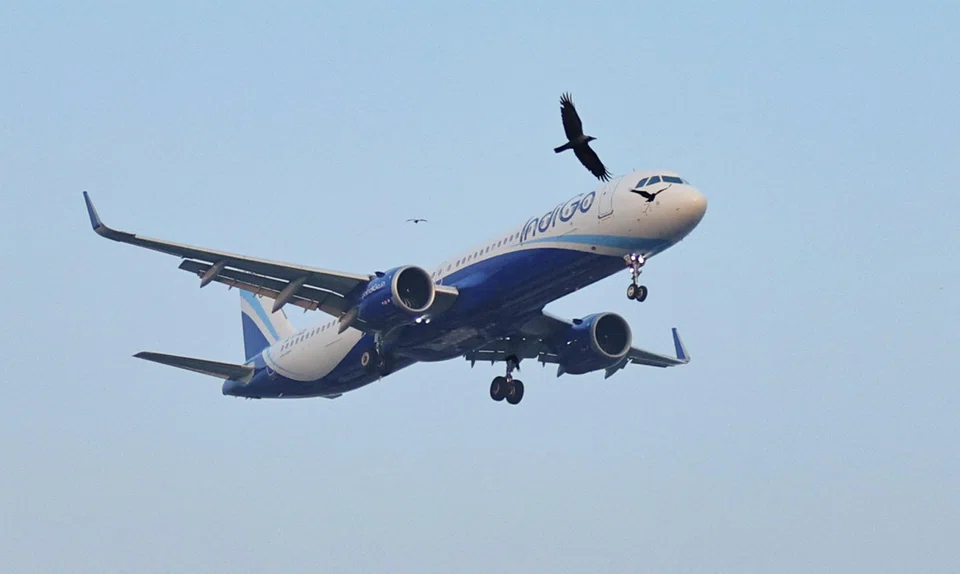
[NEW DELHI] Shares of InterGlobe Aviation, which operates IndiGo, plunged after the government signalled it will penalise India’s largest airline.
This was after mass flight cancellations last week triggered one of the country’s worst air disruptions.
The stock dropped 8.7 per cent on Monday (Dec 8) – its biggest plunge since February 2022 – and marked a seventh day of selling that has cumulatively cut US$4.5 billion from the company’s market value.
The steer from the Prime Minister Narendra Modi-led government follows the demand of India’s aviation regulator over the weekend.
The regulator had demanded an explanation from IndiGo’s chief executive officer, Pieter Elbers, about what led to the fiasco.
IndiGo is facing increasing heat for the mass cancellations that left thousands of passengers stranded last week, after the airline failed to adequately handle new rules around staff rest, leaving it with a pilot shortage.
The airline has nearly 66 per cent of the domestic market share.
About 3,000 IndiGo flights were cancelled last week. Over 1,000 flights were scrapped on Friday, making up nearly half of IndiGo’s services on a normal day.
India will take strict actions against IndiGo “to set an example for the sector”, Aviation Minister Kinjarapu Ram Mohan Naidu said in a reply in parliament on Monday.

The government would like more airlines to come in as India’s growing aviation market has the capacity to absorb five big carriers, Naidu added.
Social media posts last week were flooded with videos of fliers clashing with IndiGo front desk staff demanding updates. In some cases, they just wanted their checked-in bags back.
In a show-cause notice issued on Saturday, the Director General of Civil Aviation said that Elbers had “failed” in his duty to “ensure timely arrangements for (the) conduct of reliable operations and the availability of requisite facilities to the passengers”.
‘Significant lapses’
India’s regulator held Elbers accountable for the severe disruptions that have roiled the carrier’s operations, asking him to explain the “significant lapses in planning, oversight and resource management”.
“IndiGo will definitely be taken to task by the government,” Vandana Singh, chairperson of the Federation of Aviation Industry in India, told Bloomberg Television on Monday.
The government “is putting things in bold font that this kind of abuse of dominance or artificial adjustment is not going to work”, she said.
The airline said in a statement on Sunday that it is expecting operations to return to normal by Wednesday, as it increased the number of flights and on-time performance improved to 75 per cent.
The carrier, which runs a “lean, high-utilisation model” has been hit the hardest by new pilot rules that bar airlines from substituting weekly rest with leave, a note by analysts from investment banking and capital markets firm Jefferies said.
IndiGo is facing rising costs from last week’s flight cancellations, compounded by pressures from a weaker rupee and higher crew expenses, Jefferies’ note said.
“The disruptions are credit negative because IndiGo could face significant financial damage from loss of revenue” because of flight cancellations, refunds to customers and potential regulatory penalties, Moody’s Ratings said in a statement on Monday.
There will be some reputational damage too, especially in its code-sharing arrangements, it added.
The disruption, that started late on Tuesday night last week, stemmed largely from the pilot shortage, due to new rules that extended mandatory rest periods, and reduced the number of permitted night landings.
Those rules have been put in abeyance by the Indian government to help the airline stabilise, in a move that has drawn criticism from some Indian lawmakers.
Other operational challenges including minor technology glitches, winter schedule changes, adverse weather conditions and air congestion compounded the situation, the airline had said last week.
Naidu emphasised that IndiGo had enough time to get a handle on managing the crew and roster.
The new pilot duty guidelines came into force from Nov 1 and the regulator had clarified to airlines that these rules will have to be followed, the minister said. BLOOMBERG
Decoding Asia newsletter: your guide to navigating Asia in a new global order. Sign up here to get Decoding Asia newsletter. Delivered to your inbox. Free.
Share with us your feedback on BT's products and services
TRENDING NOW

Once staunchly pro-China, Malaysian Chinese businesses are now distancing themselves from Beijing

Britain’s mansion tax shows the difficulty of targeting wealth

Three hats, one goal: How Ng Kian Swan runs sustainability at NUHS

COE review: The gap between luxury and mass-market cars isn’t the only one worth bridging

