

Indonesia April trade surplus smallest in six years, May inflation quickens
The US$0.09 billion posted in April 2026 was the smallest since 2020
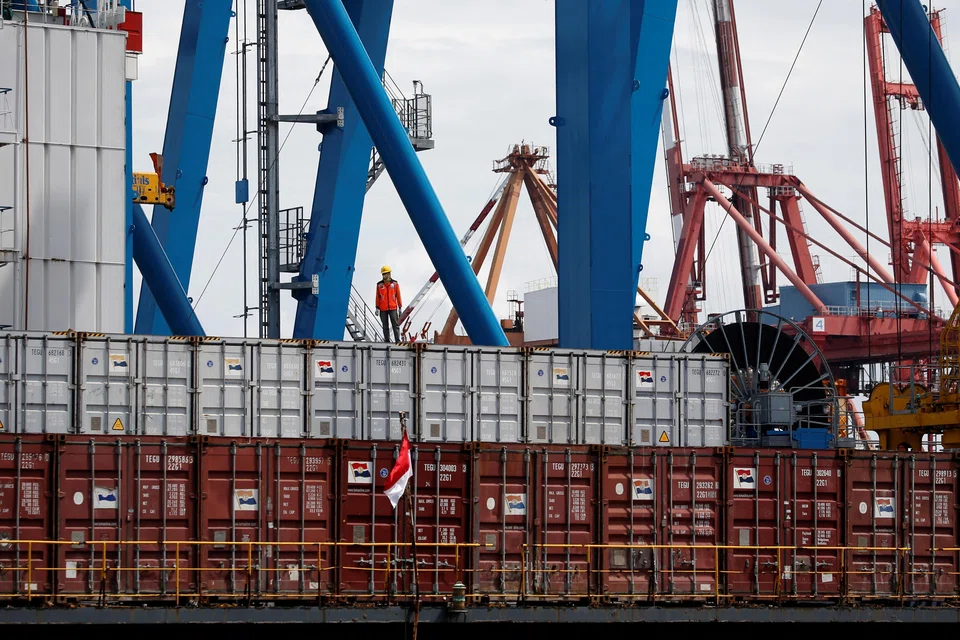
[JAKARTA] Indonesia posted its smallest trade surplus in six years in April, while its annual inflation rate in May moved closer to the top end of the central bank’s target range as a result of rising food and transport prices, official data showed on Tuesday (Jun 2).
South-east Asia’s largest economy has enjoyed a trade surplus every month since May 2020, but the US$0.09 billion posted in April 2026 was the smallest, with a double-digit increase in exports offset by a similar increase in imports. A Reuters poll had expected a US$1.5 billion surplus.
Exports jumped 21.98 per cent on a yearly basis to US$25.3 billion, helped by a strong rise in shipments of manufactured goods, including palm oil and nickel and their derivatives, basic chemicals, and jewellery.
Imports were worth US$25.21 billion, up 22.49 per cent on a yearly basis, with purchases of oil and gas surging 82.52 per cent. Imports of consumer goods were also strong, rising 42.9 per cent.
The sources of the majority of crude oil imported by Indonesia in April were Nigeria, Brazil and Kazakhstan, while refined oils were mostly bought from Malaysia, Singapore and Egypt, the statistics bureau deputy head Pudji Ismartini said.
Exports caught tailwinds from rising commodity prices following the war in Iran as well as the weakness of the rupiah. The currency has hit a series of record lows this year, and did so again ahead of the Tuesday data release, falling to 17,892 a dollar.
The weak currency together with high global crude and oil product prices have also affected the consumer price index by driving up import costs, with inflation accelerating to 3.08 per cent in May, from 2.42 per cent the previous month.
The figure was slightly higher than a median forecast of 2.97 per cent in a Reuters poll of economists. Bank Indonesia targets inflation within a range of 1.5 per cent to 3.5 per cent. The Indonesian government has shielded most consumers from the higher global crude prices by increasing its fuel subsidy budget, but non-subsidised fuel prices have increased, and the prices of some foodstuffs were affected by rising packaging costs.
Core inflation reached 2.59 per cent in May, also slightly higher than the poll forecast of 2.52 per cent.



Bank Indonesia raised interest rates by a bigger-than-expected 50 basis points in May. It was a pre-emptive move to prevent inflation from breaking out of its target range.
After the rate hike, the central bank said it expected inflation to stay within the target until 2027. REUTERS
Decoding Asia newsletter: your guide to navigating Asia in a new global order. Sign up here to get Decoding Asia newsletter. Delivered to your inbox. Free.
Share with us your feedback on BT's products and services






