

Indonesia coal plant seen as flagship for fuel’s exit scraps early closure
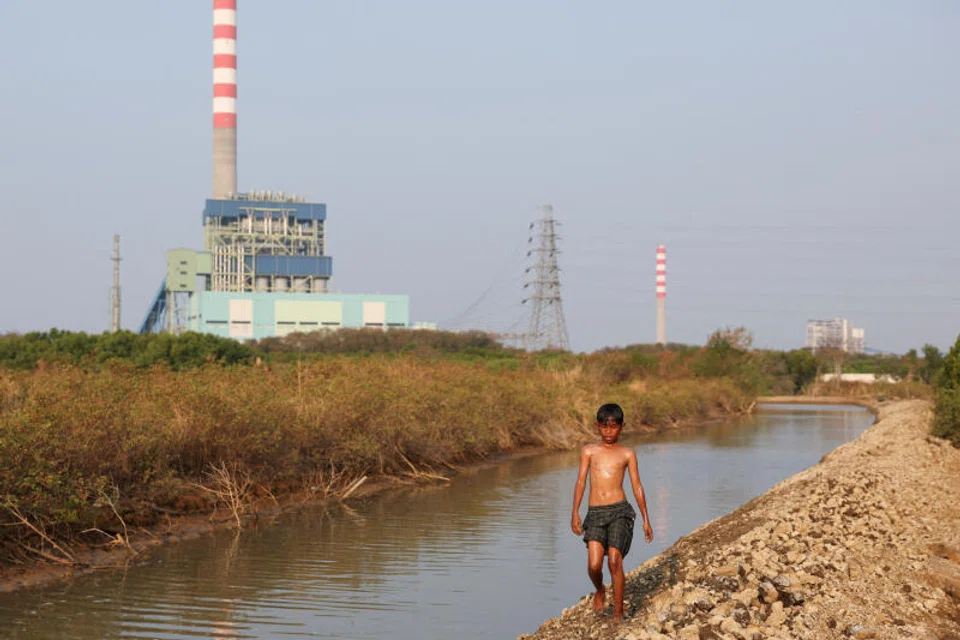
[JAKARTA] A coal-fired power plant in Indonesia scheduled to close down early and act as a flagship for efforts to shift Asia’s economies away from the fossil fuel has scrapped proposals to shutter ahead of schedule.
Cirebon-1 in West Java, a few hours’ drive east of Jakarta, had been due to be retired almost seven years early under an agreement between Indonesia’s government, the Asian Development Bank (ADB) and other partners struck on the sidelines of the COP28 United Nations climate conference in Dubai in 2023.
The proposal has been cancelled by the government because of the power plant’s long remaining operational life, Coordinating Minister for Economic Affairs Airlangga Hartarto said on Friday (Dec 5) in Jakarta. Indonesia will search for other coal plants to retire, he said.
“One of the considerations is that Cirebon still has a long lifespan and uses super critical technology, which is relatively better, so we are looking for an alternative,” Hartarto said. The original deal was agreed before current President Prabowo Subianto took office in 2024.
Cirebon-1’s early retirement plan “is still under review and under cross-stakeholder coordination”, Gregorius Adi Trianto, executive vice- president for corporate communications at state-owned utility PLN, the purchaser of the plant’s electricity, said in a statement.
PLN officials have previously pointed to the huge costs associated with installing sufficient renewable energy capacity to replace lost coal generation, and the complicated economics of retiring a facility with years left of operational life.
The decision to drop the Cirebon-1 closure plan – intended as a blueprint for the wider region – underlines the scale of the challenge to accelerate a shift to cleaner power sources in Asia’s large and resource-rich developing economies, where coal generation capacity has risen in recent years.
To succeed, vast sums of financing are required not only to deliver new solar, wind and grid infrastructure, but also to compensate utilities for revenue lost from the coal assets. Efforts to mobilise funding have so far failed to match lofty pledges.
The Just Energy Transition Partnership, a US$20 billion commitment from rich nations to help Indonesia shutter coal and promote clean energy, has led to only about US$3 billion being mobilised to date, Hartarto said.

ADB continues to engage with Indonesia’s government and others on clean energy initiatives including coal retirements, renewables development and the expansion or modernisation of electricity grids, a spokesperson for the development bank said in a statement. That includes the approval last month of a US$470 million loan to PLN to enhance solar, wind and grid capacity, ADB said.
“Phasing out fossil fuels continues to be a priority,” the spokesperson said. “Cutting emissions and improving air quality by moving away from legacy fossil-based power and heat generation can significantly improve the lives of people in Asia and the Pacific.”
Though Prabowo has claimed Indonesia could transition entirely to renewable energy by 2035, the country has attracted criticism over its slow progress on decarbonisation and limited focus on tackling industrial pollution – including a rise in captive, or off-grid, coal facilities.
The nation’s most recent climate strategy forecasts greenhouse gas emissions will continue to increase this decade before a steep drop through 2060, as the government seeks to balance efforts to spur economic growth and its green targets.
Earlier this week, Indonesia’s climate envoy Hashim Djojohadikusumo, Prabowo’s brother, said the nation would gradually “phase down” its use of coal as more renewables come online, rather than abruptly “phase out” the fuel. BLOOMBERG
Decoding Asia newsletter: your guide to navigating Asia in a new global order. Sign up here to get Decoding Asia newsletter. Delivered to your inbox. Free.
Share with us your feedback on BT's products and services
TRENDING NOW

Once staunchly pro-China, Malaysian Chinese businesses are now distancing themselves from Beijing

Looking beyond looming CEO succession, should UOB potentially pursue a transformative merger?

Could stablecoins be the future of money?

Grab CEO’s wife Chloe Tong on life with Anthony Tan and finding her purpose

