Indonesia to export less palm oil to keep supplies at home
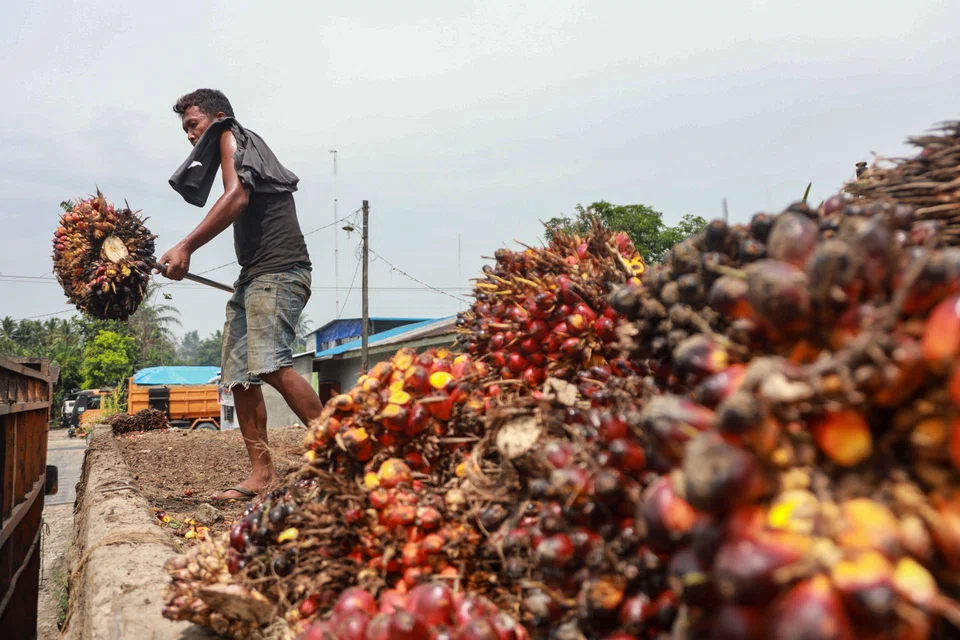
INDONESIA, the world’s biggest palm oil producer, is set to export less of the commodity overseas as it tightens a policy requiring companies to keep more supply at home.
The government will cut the amount producers can export to six times the domestic sales requirement, down from eight times currently, according to Budi Santoso, director general of foreign trade at the trade ministry. The change will take effect from Jan 1, he said by text message on Friday (Dec 30).
The government wants to ensure ample domestic supply during the Ramadan and Eid holidays in April as production will be seasonally weaker in the first quarter, said Firman Hidayat, an official at the coordinating ministry for maritime affairs and investment, which is involved in the decision making.
Indonesia will also impose a higher biodiesel blending mandate in 2023, which will increase domestic consumption of palm oil. “We don’t want domestic supply to be reduced and risk an increase in local prices,” Hidayat explained.
The move could drive up palm oil prices in Kuala Lumpur as it would encourage Malaysia, the second-biggest exporter, to boost shipments. Futures climbed as much as 1.4 per cent to RM4,149 (S$1,263.9) a tonne, heading for the highest close in a month. BLOOMBERG
Decoding Asia newsletter: your guide to navigating Asia in a new global order. Sign up here to get Decoding Asia newsletter. Delivered to your inbox. Free.
Share with us your feedback on BT's products and services