



Indonesia parliament discusses changes to fiscal deficit limit
Economists urge alternative fiscal discipline measures if this ceiling is removed
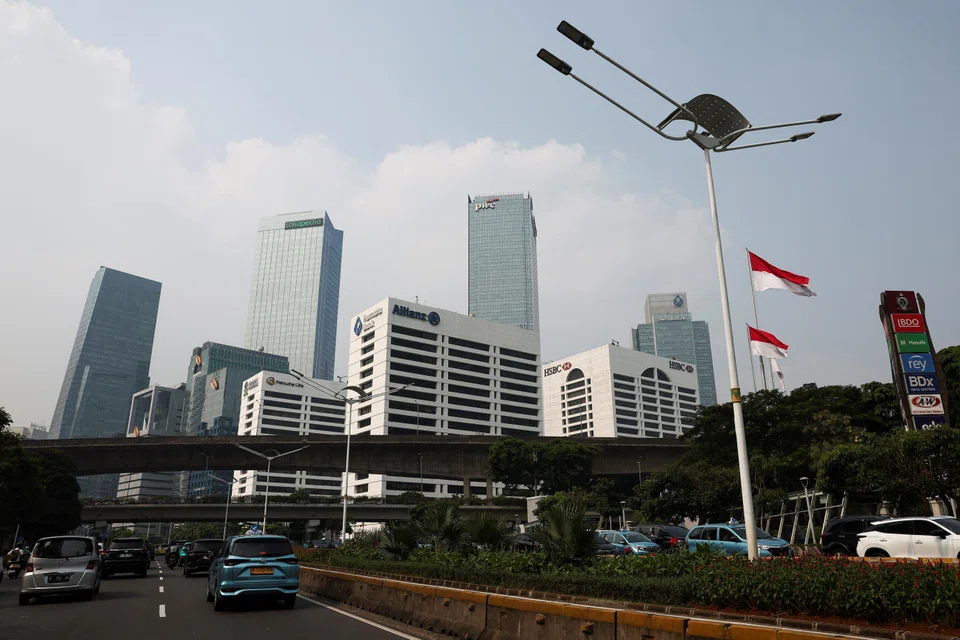
[JAKARTA] Indonesia’s parliament discussed potential changes to the country’s fiscal deficit limit on Thursday (Sep 17), with several lawmakers signalling they would back proposals to allow the government to exceed the current ceiling to improve welfare.
Parliament is in the middle of discussing revisions to Indonesia’s state finance law, which includes rules that cap the government’s annual budget deficit at 3 per cent of gross domestic product and its public debt at 60 per cent – rules that a succession of governments have followed since the law was passed in 2003.
The limits were introduced in the aftermath of the Asian financial crisis in the late 1990s, which hit Indonesia hard, and they have underpinned investor confidence in the country’s fiscal prudence ever since.
However, the spending limits have come under the spotlight since President Prabowo Subianto took office in October 2024 after making costly campaign promises and setting an 8 per cent economic growth target.
Prabowo’s 2025 budget deficit was the widest in more than 20 years, outside of the pandemic.
Middle-income trap
Deliberations for the revision of the law were still in their early consultation stages, with the parliamentary financial committee hearing presentations from three economists on Thursday.
The head of the committee, Mukhamad Misbakhun, said at the hearing that the annual deficit cap has been treated as if it were more sacred than the Constitution.
“We have the momentum to get out of the middle-income trap, take 233 million people out of middle income and head to high income,” noted Misbakhun, whose party is in Prabowo’s coalition.
“That needs growth expansion. How are we going to expand growth if we lock ourselves and always talk about 3 per cent?”


Mohamad Hekal, deputy head of the committee and a member of Prabowo’s party, said that he agreed the fiscal deficit limit should be discussed, arguing that limitations might hamper Indonesia’s efforts to achieve its welfare goals.
However, Harris Turino, a lawmaker from the only political party in parliament outside of Prabowo’s coalition, said he would support keeping the deficit ceiling.
“If we are unable to discipline ourselves, including in maintaining the 3 per cent deficit limit, the market will eventually discipline us,” he told Reuters.
Asked separately for the government’s response on the discussion, Deputy Finance Minister Juda Agung told reporters that the government remained committed to keeping the fiscal deficit below the 3 per cent limit to “preserve fiscal credibility”.
Alternative guard rails
The economists at the hearing said that if lawmakers wanted to remove the fiscal limits, other measures to ensure fiscal discipline must be put in place, including regulation of the government’s debt service ratio or interest payments relative to tax revenues.
Chaikal Nuryakin, a University of Indonesia economist, suggested setting an average deficit limit over a certain time period, such as five or 10 years, which would allow flexibility while still maintaining prudence.
Lawmaker Harris said that it was unlikely parliament would finish deliberating the revision in the current session, which lasts until November.
The discussion came after Prabowo announced a surprise shake-up in the leadership of the finance ministry. REUTERS
Decoding Asia newsletter: your guide to navigating Asia in a new global order. Sign up here to get Decoding Asia newsletter. Delivered to your inbox. Free.
Share with us your feedback on BT's products and services
TRENDING NOW

Prima to move out of historic Keppel Road flour mill building in 2028

Grab CEO’s wife Chloe Tong on life with Anthony Tan and finding her purpose

OCBC sheds S$8 billion in value as shares close nearly 6% down; analysts cautious on banks

As Asia’s food delivery giants rejig the pie, who will win the market?

