

Indonesia posts first trade deficit in six years, inflation accelerates
Exports unexpectedly fell due to lower commodity shipments, while imports surged
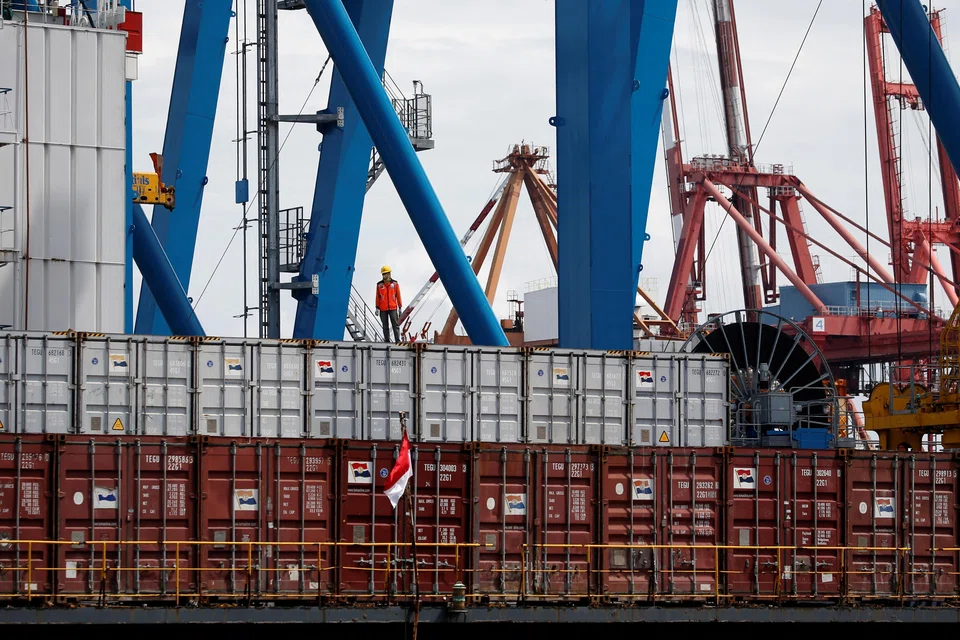
[JAKARTA] Indonesia posted a trade deficit of US$1.61 billion in May, its first in six years, as exports unexpectedly fell due to lower commodity shipments, while imports surged, official data showed on Wednesday (Jul 1).
The inflation rate in South-east Asia’s biggest economy also accelerated, edging closer to the top end of the central bank’s target range.
Resource-rich Indonesia enjoyed a trade surplus every month since May 2020, but the gap had been narrowing in the months prior to May amid higher fuel imports, a weaker rupiah and softening exports.
The deficit in May was the widest since April 2019. However, high global oil prices and the impact of the rupiah “are expected to ease in June, as the de-escalation in global geopolitical tensions led to a sharp correction in oil benchmark prices, improving the terms of trade and reducing external sector pressures from (the third quarter) onward,” DBS economist Radhika Rao said.
A Reuters poll of analysts had expected a trade surplus of US$1.12 billion for May. In April, Indonesia posted a US$90 million surplus. May exports fell 5.73 per cent from a year earlier to US$23.2 billion, compared with the median forecast in a Reuters poll of analysts of a 5.2 per cent rise, the data from Statistics Indonesia showed.
Exports of mining products dropped 7 per cent, the data showed. Shipments of coal and steel products in January to May dropped in both volume and value. Imports rose 22.16 per cent to US$24.81 billion against a forecast of 18.26 per cent growth, boosted by a 99.5 per cent surge in refined oil purchases, reflecting elevated global oil prices and a 13 per cent increase in import volume.
Imports of raw materials also rose 25.2 per cent from a year ago, with the biggest increase in purchases of mineral fuels, plastics and iron and steel products. The arrival of several jets from France also contributed to a rise in imports.
Indonesia’s annual inflation rate accelerated to a three-month high of 3.34 per cent in June from 3.08 per cent in May, higher than the median forecast in a Reuters poll and moving closer to the top end of Bank Indonesia’s comfort range.
The poll forecast a June annual rate of 3.2 per cent. BI has set a target rate between 1.5 per cent and 3.5 per cent. “At this stage, we do not rule out the possibility of another BI rate hike in 2026 should conditions deteriorate further,” Bank Permata economist Faisal Rachman said. “Nevertheless, our baseline scenario remains that BI will keep the policy rate unchanged at 5.75 per cent, as we believe the latest rate hike has already incorporated probability of the Fed Funds Rate hike by (the end of the fourth quarter),” he said.


Increases in non-subsidised fuel prices affected transportation costs and higher logistic costs affected prices of some food items, while a weaker rupiah also pushed up costs.
The core inflation rate, which strips out government-controlled prices and volatile food prices, was 2.76 per cent in June, compared with 2.59 per cent a month earlier. Economists had forecast a 2.61 per cent rate.
BI raised its policy rates twice in June, including a surprise off-cycle rate hike, to try to arrest the drop in the rupiah, which hit multiple historic lows in May and June, and manage inflation.
The central bank has hiked its policy rates by a total of 100 basis points since mid-May. BI has said inflationary pressures could heighten further amid the threats to food production posed by the El Nino weather pattern, but it expects inflation to stay within its target range. REUTERS
Decoding Asia newsletter: your guide to navigating Asia in a new global order. Sign up here to get Decoding Asia newsletter. Delivered to your inbox. Free.
Share with us your feedback on BT's products and services






