Indonesia to speed up spending, deploy policy mix to revive growth
Tax revenue collection falls short of govt target amid weak oil prices
Jakarta
INDONESIA will take coordinated action to revive growth after the worst slowdown since 2009, pledging on Wednesday to speed up government spending and prepare a mix of monetary policy changes.
The economic offensive comes a day after data showed that South-east Asia's largest economy grew at a slower-than-expected pace of 4.71 per cent in the January-March quarter. The slowdown was mainly due to a collapse in commodities prices and weak government spending.
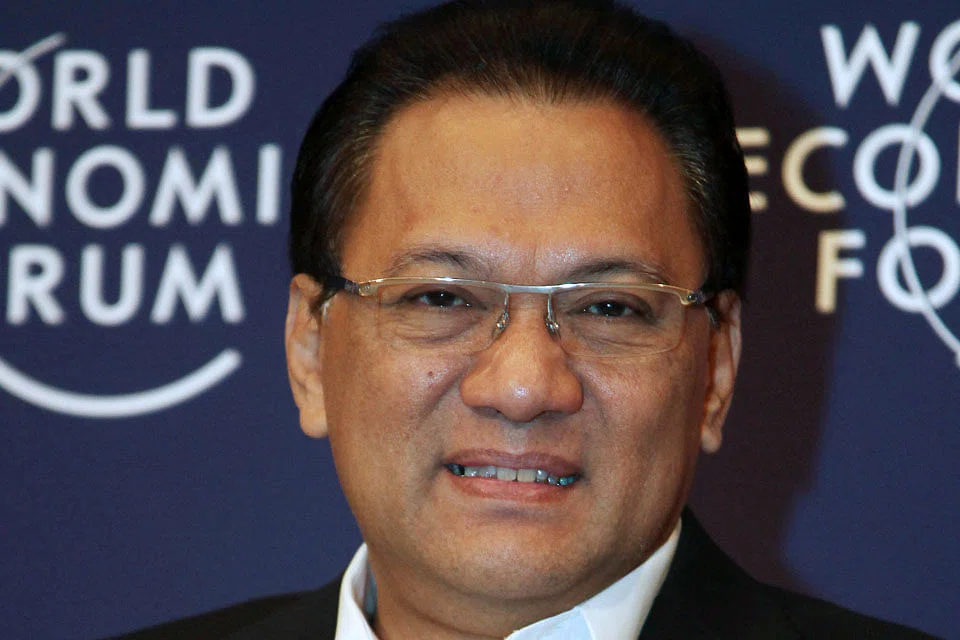
Bank Indonesia governor Agus Martowardojo told reporters after meeting President Joko Widodo and Finance Minister Bambang Brodjonegoro that the central bank will deploy an arsenal of policies to revive growth.
"BI will coordinate with the government and BI will respond in the form of a policy mix," he said. "In the policy mix, the main things are policies on exchange rate, interest rate, reserves, macro-prudential, communication, coordination between central banks and coordination with the government."
A central bank spokesman said BI will not decide on its interest rate policy until the scheduled May 19 monetary policy meeting.
After the meeting with Mr Martowardojo, the government said it would do its part by accelerating infrastructure spending and implementing policies to boost consumer demand, such as easing taxes on some luxury goods.
As at April 25, the government had spent only seven trillion rupiah (S$713 million), or 2 per cent, of its 290 trillion rupiah budget set aside for infrastructure spending.
Tax revenue collection fell short of the government's target in the first four months of 2015, as weak oil prices and lower retail receipts signal that an economic slowdown may have stretched into the second quarter.
The government received 310.1 trillion rupiah from January to April 30, or 24 per cent of its target for the full year, the finance ministry's tax office said on its website on Wednesday. That was 1.3 per cent lower than for the same period last year.
Mr Widodo is seeking to boost tax collection to fund better infrastructure, education and healthcare in the country. The government expects state investment to start lifting growth from April, after the economy contracted 0.18 per cent on a quarterly basis in the January- March period.
"I'm a bit pessimistic that the government will achieve its target," said Josua Pardede, a Jakarta-based economist at PT Bank Permata. "It seems the government has to borrow more by issuing more bonds."
The government is prepared for a shortfall in revenue and a budget deficit in 2015 of as much as 2.3 per cent of gross domestic product would be "still okay" from a targeted 1.9 per cent, Mr Brodjonegoro said in an interview this month.
The government is starting a campaign to improve tax collection by allowing citizens to avoid penalties if they pay five years of unpaid taxes, he said.
Tax revenue from individuals and companies rose 10.6 per cent from a year earlier in the four months through April, though oil and gas receipts fell 46.2 per cent on weaker prices, the tax office statement showed.
A 5.25 per cent fall in value-added and luxury taxes may show weaker consumer spending, said David Sumual, Jakarta-based economist at PT Bank Central Asia. Household spending accounts for more than half of the economy.
Mr Widodo, who came to power six months ago with a promise to beef up the country's creaking infrastructure, has been hamstrung by rifts within his own political party and squabbles between government agencies.
While he has slashed fuel subsidies and freed up billions of dollars for long-neglected capital spending, many infrastructure projects are tied up in red tape. REUTERS, BLOOMBERG