

Indonesia's Prabowo nominates nephew as central bank deputy governor
 Add BT as a preferred source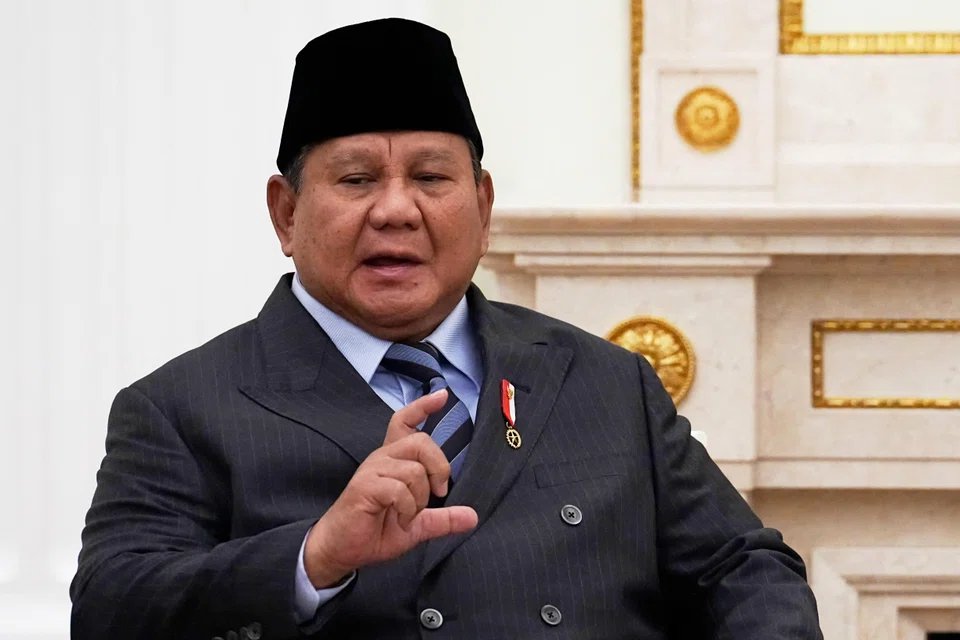
DeeperDive is a beta AI feature. Refer to full articles for the facts.
[JAKARTA] Indonesian President Prabowo Subianto has nominated his nephew to join the central bank’s board of governors, two sources told Reuters, amid growing concern about its independence as the government seeks more support for ambitious economic targets.
Investors are worried that independent monetary policymaking in South-east Asia’s largest economy might be under pressure as Prabowo targets economic growth of 8 per cent by 2029, from about 5 per cent now.
Those fears grew after Bank Indonesia unveiled a new burden-sharing deal last year to fund some government programmes.
Thomas Djiwandono, a deputy finance minister who is a former businessman, will soon face a fit-and-proper test by parliament for the new job, said the two sources, who sought anonymity as they were not authorised to speak to media.
The US-educated Djiwandono will replace current BI board member Juda Agung, one of the sources added.
Djiwandono, Agung, the central bank’s spokesperson, and the chairman of a parliamentary panel overseeing assessments for top central bank leadership did not immediately respond to requests for comment.
Navigate Asia in
a new global order
Get the insights delivered to your inbox.
Prabowo’s spokesperson declined to comment.
The bank is set to hold its next monthly monetary policy review later this week.
Each member of the bank’s board, comprising a governor and several deputy governors, has a voting right to decide key interest rate levels and determines BI’s policy.
Members are usually career central bankers, economists or former executives of commercial banks appointed by the president with parliamentary approval.
Domestic media IDNFinancials also reported the appointment, citing a source who said Djiwandono was expected to take up the new post in February, barring last-minute changes.
Last year, Djiwandono attended at least one central bank monetary policy review as a representative of the finance minister, but did not have a right to vote.
The move comes as parliament discusses a Bill with provisions to strengthen the central bank’s role in supporting economic growth. REUTERS
Decoding Asia newsletter: your guide to navigating Asia in a new global order. Sign up here to get Decoding Asia newsletter. Delivered to your inbox. Free.
Share with us your feedback on BT's products and services
TRENDING NOW

‘Boring’ is the new black: The stars are aligning for a Singapore stock market revival

Near sell-out launches in March boost developer sales to 1,300 units after four slow months

China pips the US if Asean is forced to choose, but analysts warn against reading it like a sports result
Genting Singapore’s Lim Kok Thay receives S$7.5 million pay package for FY2025

