Indonesia's Q1 FDI sees annual growth of 20.2%, focuses on downstream investment
 Add BT as a preferred source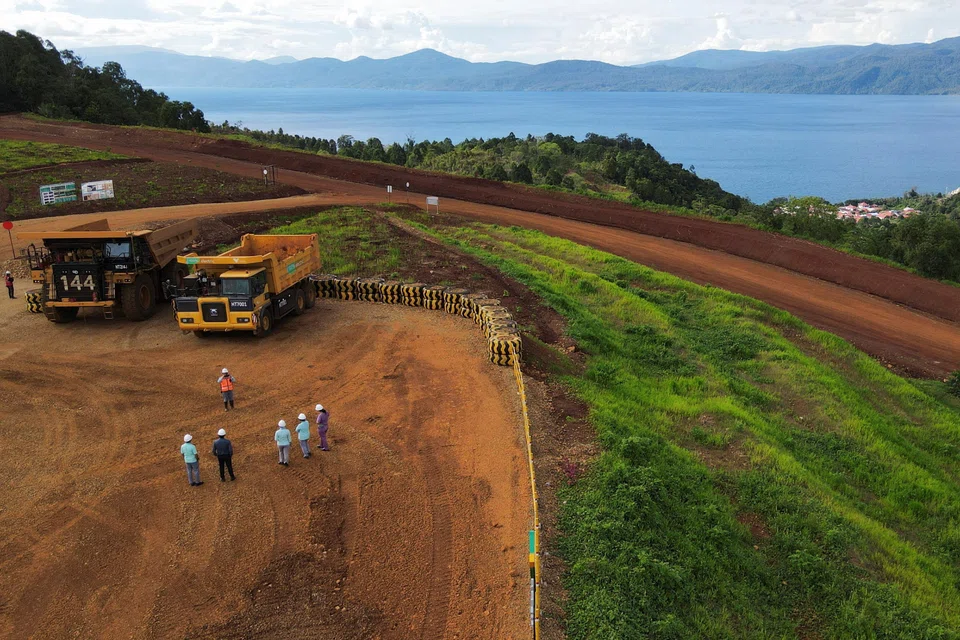
DeeperDive is a beta AI feature. Refer to full articles for the facts.
INDONESIA’S foreign direct investment (FDI) rose 20.2 per cent annually in the January-March period in rupiah terms, with the base metal industry the biggest recipient amid efforts to boost investment in processed minerals.
The first-quarter FDI, which excludes investment in the banking and oil and gas sectors, was worth 177 trillion rupiah (S$16 billion), ministry data showed.
FDI rose 43.3 per cent in the previous quarter.
“FDI to the manufacturing sector, especially to the metal industry in Q1 ranked first ... this shows the government policy to give value-add on natural resources had a positive impact,” Investment Minister Bahlil Lahadalia said in a statement.
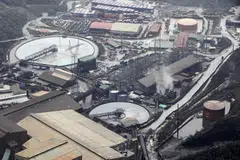
Indonesia is due to ban exports of raw minerals such as copper and bauxite from June as part of efforts to attract investment into its metals processing industry and boost the value of its exports.
Singapore, Hong Kong, and China provided the largest share of the FDI in the first quarter with investment of US$4.3 billion, US$1.5 billion and US$1.2 billion, respectively, showed the ministry’s data.
Navigate Asia in
a new global order
Get the insights delivered to your inbox.
The ministry has set a target to draw 1,400 trillion rupiah of investment this year from domestic and foreign sources.
At a news conference, Bahlil said challenges to achieve the investment target among others were a global economic slowdown and ensuring political stability ahead of an election next year, when Indonesia will choose a new president and legislators.
He also said Indonesia will continue to focus on drawing investment in the next three quarters to processing industries, including natural resources, part of its goal to be among the world’s top five countries in terms of gross domestic product.

Indonesia will also strengthen its partnership with Australia in developing an electric vehicle (EV) battery ecosystem, he said, as it has abundant resources of lithium, a material used in the production of EV batteries. REUTERS
Decoding Asia newsletter: your guide to navigating Asia in a new global order. Sign up here to get Decoding Asia newsletter. Delivered to your inbox. Free.
Share with us your feedback on BT's products and services