

Indonesia’s trade surplus beats forecast after palm oil exports resumption
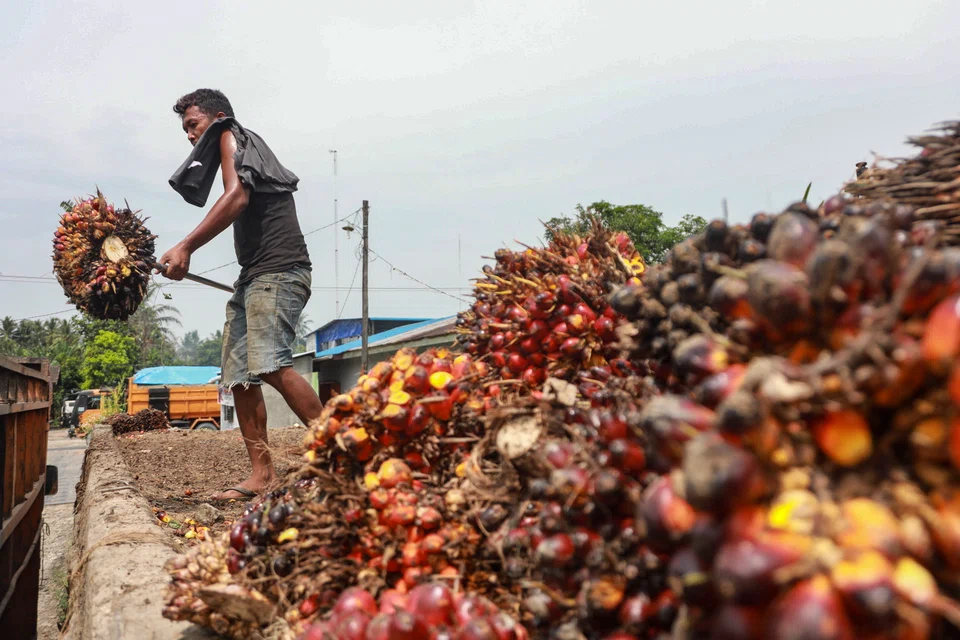
INDONESIA booked a larger-than-expected trade surplus of US$5.09 billion in June, as palm oil exports surged after the lifting of an export ban a month earlier while coal shipments to Europe also jumped, official data showed on Friday.
A Reuters poll had expected a US$3.52 billion surplus for June, following a US$2.90 billion surplus in May.
Resource-rich Indonesia has been enjoying an export boom on the back of soaring global commodity prices. Its trade surplus in 2022’s first half was the highest on record at US$24.89 billion, more than double that of the same period in 2021.
June exports rose 40.68 per cent on a yearly basis to US$26.09 billion, beating the poll’s 30.26 per cent growth forecast, Statistics Indonesia data showed.
Palm oil and its derivatives contributed US$2.74 billion to total shipments amid high global prices, up more than 860 per cent from last month, with a big increase in sales to India, Pakistan, Bangladesh and China.
That was a rise of 89 per cent on an annual basis. Indonesia banned exports of some palm oil products for three weeks from late April.
Its coal exports to Europe have also increased as the impacts of the Ukraine war disrupted Russian coal supply to the region.
Data showed US$191.2 billion in coal exports in the second quarter, up 143 per cent from the same period last year.
No monthly data was provided. Imports rose 21.98 per cent on an annual basis to US$21 billion, with the biggest increase from purchases of raw materials and industrial machinery. The poll had expected 20.10 per cent growth.

Myrdal Gunarto, an economist with Maybank Indonesia, said the surplus should give the central bank confidence to keep interest rates unchanged at next week’s policy meeting as it provided “monetary ammunition” for them to stabilise the financial markets.
“We believe the era of high commodity prices will keep continuing until the end of year as a consequence of global economic recovery progress and persistent global geopolitical uncertainty,” he said.
Bank Indonesia, one of the world’s least hawkish central banks, has kept interest rates at pandemic-era record lows.
Central banks of Singapore and the Philippines this week tightened their monetary policy in off-cycle moves to address rising inflation. REUTERS
Decoding Asia newsletter: your guide to navigating Asia in a new global order. Sign up here to get Decoding Asia newsletter. Delivered to your inbox. Free.
Share with us your feedback on BT's products and services






