

Investors bet on furious and fleeting rally in China
 Add BT as a preferred source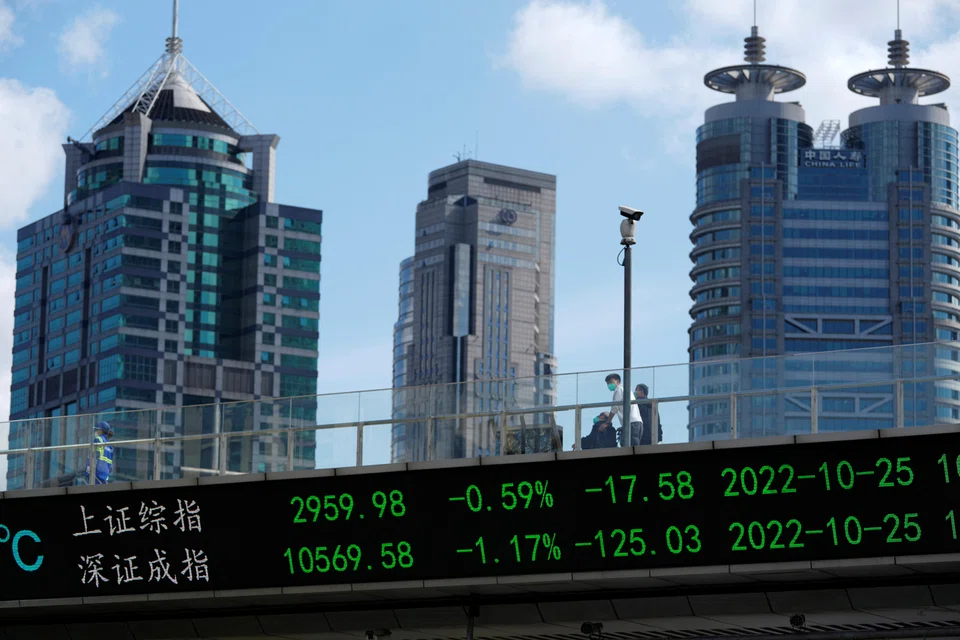
DeeperDive is a beta AI feature. Refer to full articles for the facts.
INVESTORS piling into China’s tourism, catering, and beverage stocks are also keeping an eye on the exits, to factor in risks of a surge in Covid-19 infections early next year that could hit consumption and production.
On the other hand, many investors said stocks of drugmakers and medical equipment companies will likely get a more lasting lift from China’s bumpy journey towards reopening.
After facing widespread anti-lockdown protests, China reduced virus testing and quarantine requirements. Its stocks and currency jumped as Beijing moved towards a more targeted zero-Covid policy. Global banks also turned more bullish on the East Asian powerhouse’s prospects.
Zhang Kexing, general manager of Beijing Gelei Asset Management, said he made big bets on duty-free shopping, home furnishing, as well as food and beverage stocks that will benefit from looser Covid restrictions.
But some were merely short-term wagers.
“If other economies offer any guide, the consumption recovery is likely to disappoint in the short term after an economic reopening,” Zhang said, adding that much of the expected revival had been priced in.
Navigate Asia in
a new global order
Get the insights delivered to your inbox.
Investors snapped up Chinese tourism, leisure, retailing, as well as food and beverage stocks over the past week.
A study by Chang Jiang Securities on the correlation between economic growth and Covid-related policies in Asian economies concluded that relaxing Covid rules did not lead to a sustainable recovery in consumption. The study was based on data from Singapore, South Korea, Indonesia, Vietnam, Thailand, Hong Kong and Taiwan.
A possible jump in infections and deaths could curtail social activity and hurt retailers, the study found.
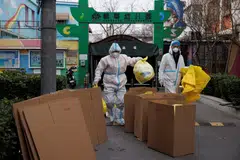
Chang Jiang Securities said: “After curbs are relaxed, China could experience the impact from surging virus cases, along with rising deaths, potentially hitting the economy.”
Christopher Beddor, deputy China research director at Gavekal Dragonomics, said production could also be affected.
“I think it’s reasonable to think that as infections rise, they’re going to have shortages in some areas of workers,” he said.
Meanwhile, Grow Investment Group chief economist Hong Hao warned of confusion and chaotic expectations ahead. He recommended Internet platform companies and food delivery firms in the short term.
“Intuitively, as cases soar, people will choose to stay home to minimise the contagion risks,” he said.
Yin Peixin, investment manager at Shanghai Jianlong Asset Management, expected a wave of panic about the pandemic during the Chinese New Year holiday in late January 2023.
He said that rising infections would benefit drugmakers and medical equipment producers. However, he advised against holding shares in makers of nucleic acid tests used by the authorities, as testing requirements have eased.
“Domestic demand and prices will go down,” he said.
Sinolink Securities instead recommended investing in manufacturers of home-use antigen tests, such as Guangzhou Echom SCI & Tech, and Sino Biological. It added that demand for such tests may grow if infections were to rise. REUTERS
Decoding Asia newsletter: your guide to navigating Asia in a new global order. Sign up here to get Decoding Asia newsletter. Delivered to your inbox. Free.
Share with us your feedback on BT's products and services
TRENDING NOW

Ministry of Home Affairs Permanent Secretary Pang Kin Keong to retire

Shelving S$5 billion office redevelopment plan proved ‘wise’ as geopolitical risks mount: OCBC chairman

Richard Eu on how core values, customers keep Singapore’s TCM chain Eu Yan Sang relevant

China pips the US if Asean is forced to choose, but analysts warn against reading it like a sports result

