

Iran conflict risks hurting financial firms' Middle Eastern activities
The conflict could disrupt planned capital market fundraisings and cross-border mergers and acquisitions
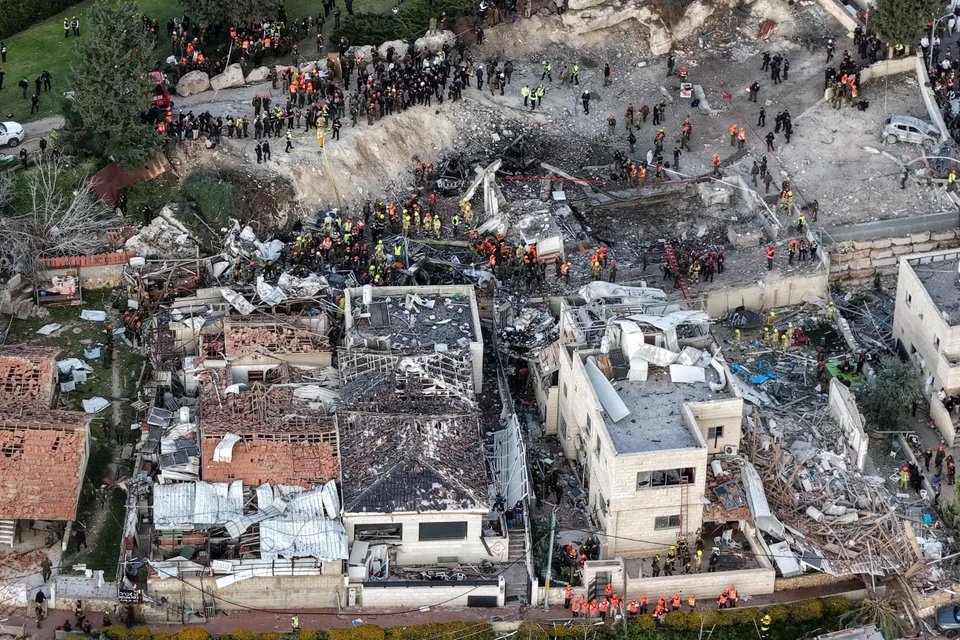
[HONG KONG/TOKYO] The US-Israeli military assault on Iran has cast doubt on capital market activity in the region as the conflict freezes the travel of bankers and dealmakers over concerns of security risks and business disruptions.
Bankers and investors warned that the conflict could disrupt planned capital market fundraisings and cross-border mergers and acquisitions with travel halted and discussions suspended.
Fred Hu, chairman of China’s Primavera Capital Group, said the Iran war could disrupt two-way capital flows and investment talks between the Middle East and China in the short term.
A few Chinese investors have decided to put on hold talks to buy infrastructure and energy-related assets in the Middle East, a Hong Kong-based investment banker said.
Banks will need to conduct security assessments before sending employees back to the Middle East, leading to a “meaningful delay” in visits between Middle Eastern investors and Chinese corporations seeking investments, according to a business development executive at a state-owned Chinese bank.
Over the past two years, the executive said, Middle Eastern interest in attracting Chinese investment has grown, as Middle Eastern investors have also expanded their ownership of Chinese firms.
However, an uncertain geopolitical outlook now complicates banks’ efforts to pitch overseas expansion opportunities through dealmaking, he said.
The disruptions, however, seem “unlikely to sever, much less reverse” the expanding investment ties between China and the Gulf region over a longer term, Primavera’s Hu added.
Meanwhile, a number of large banks have ordered staffers to halt trips to the Middle East.

Standard Chartered, Japan’s Sumitomo Mitsui Financial Group and Mitsubishi UFJ Financial Group have asked employees to postpone travel to the Middle East, the lenders said on Monday.
Japanese lender Mizuho, which has offices in Dubai and Riyadh, told Reuters a voluntary evacuation for its employees was possible.
A Hong Kong-based banker who heads equity capital markets at an Asia-based firm said he cancelled a planned late-March trip to the Middle East for client meetings due to the escalating military attacks and the potential for a prolonged conflict in the region.
The US-Israel strikes killed Iranian Supreme Leader Ayatollah Ali Khamenei on Saturday, which caused Iran to strike back at cities in the Gulf. Airlines halted flights and tankers carrying oil and other products suspended transit through the key Strait of Hormuz. REUTERS
Decoding Asia newsletter: your guide to navigating Asia in a new global order. Sign up here to get Decoding Asia newsletter. Delivered to your inbox. Free.
Share with us your feedback on BT's products and services
TRENDING NOW

Once staunchly pro-China, Malaysian Chinese businesses are now distancing themselves from Beijing

Looking beyond looming CEO succession, should UOB potentially pursue a transformative merger?

Could stablecoins be the future of money?

Grab CEO’s wife Chloe Tong on life with Anthony Tan and finding her purpose

