Iran extends shutout of nuclear work with US war deadlocked
International Atomic Energy Agency inspectors still cannot verify the location or status of the country’s stockpile of near-bomb grade uranium
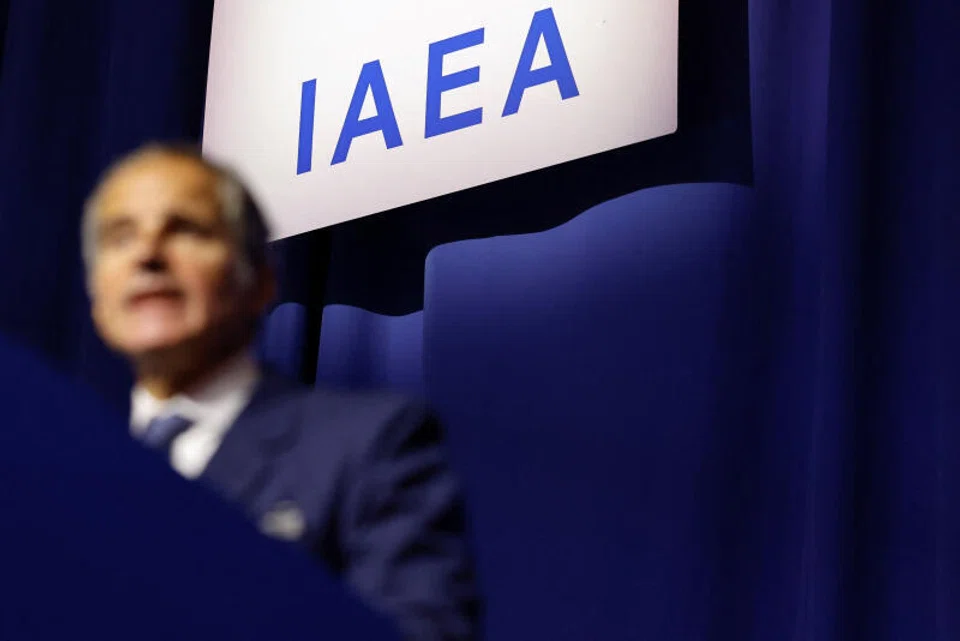
IRAN extended its shutout of UN nuclear inspectors, highlighting the lack of international knowledge of the country’s uranium stockpile as the prospect of new US talks looks ever more remote.
International Atomic Energy Agency (IAEA) inspectors still cannot verify the location or status of Iran’s stockpile of near-bomb grade uranium, according to a 13-page restricted document circulated on Friday (Nov 13) in Vienna and seen by Bloomberg News.
Teheran first stopped allowing the agency’s monitors to review its nuclear sites following US-Israeli strikes in June 2025.
“It is more than a year since the agency lost continuity of knowledge in relation to the previously declared inventories of highly-enriched uranium,” IAEA director general Rafael Mariano Grossi wrote in the report.
“The agency is not able to conclude that there has been no diversion of declared nuclear material from peaceful nuclear activities.”
The report comes a day after US President Donald Trump suggested there is no need for a deal with Iran to end the war he started alongside Israel in late February, the purpose of which he has long insisted was to prevent Iran from building a nuclear weapon.

Despite an intense period of fighting winding down in April, negotiations to apply international constraint to Iran’s nuclear activities have never got off the ground.
Grossi urged Iran to take “gradual measures” towards a resumption of monitoring. “Such incremental steps could pave the way to normal safeguards” while “contributing to a confidence-building atmosphere conducive to a wider agreement”, he said.
The US State Department has offered a US$20 million reward and possible relocation for any individuals who provide information about Iran’s nuclear work.

Trump in 2025 asserted Iran’s programme was “obliterated” by the 12-days of strikes in 2025, but there is little evidence to show the extent of the Islamic Republic’s activities at the present time.
Iran criticised the US for its reward offer earlier this week, calling the bounty “appalling” and suggesting it could prompt independent IAEA monitors to engage in “clandestine intelligence gathering” on behalf of Washington.
It has curtailed inspector access to bombed facilities in Fordow, Isfahan and Natanz, whereas before the June 2025 attacks, IAEA conducted near-daily inspections of Iranian facilities.
In response to the US bounty, Grossi told Iran in a Thursday letter that his inspectors would make efforts to protect confidential information.
IAEA monitors are unable to verify the state or location of Iran’s 440.9 kg of highly-enriched uranium. The whereabouts of 8,599.6 kg of lower-enriched material is also unknown.
Iran has accused the US and Israel of cloaking military strikes against its nuclear facilities beneath the legal authority wielded by inspectors.
Military action against Iran followed IAEA findings twice in the last 18 months, first in 2025 and then the ongoing war that began in late February.
Grossi reiterated demands for Iran to allow his inspectors to resume their work and appealed for a negotiated resolution to the US-Iran conflict.
While the IAEA is “fully prepared to resume its safeguards activities in Iran at short notice”, Iran ruled out a return to regular monitoring “under the present circumstances”, Grossi said.
Last week, Iran asserted in a legal argument that it is not obliged to submit to full nuclear monitoring while under threat from US military attacks, hardening its position against the IAEA.
Grossi noted that Iran has not ruled out all cooperation with the atomic watchdog and that the country allowed inspectors to visit its Bushehr nuclear power plant twice in the last three months.
But inspectors have not been able to gather “information from Iran regarding the status for safeguards purposed of any of its other declared nuclear facilities”, he wrote.
The agency’s board of governors meets next week in Vienna to discuss the Iran nuclear file. BLOOMBERG
Decoding Asia newsletter: your guide to navigating Asia in a new global order. Sign up here to get Decoding Asia newsletter. Delivered to your inbox. Free.
Share with us your feedback on BT's products and services