Iran keeps striking Gulf as Israel pledges to spare energy sites
The fighting, which has dragged on for three weeks, has killed more than 4,200 people across the region
[TEHERAN] Iran pressed ahead with attacks on Arab states in the Persian Gulf even after Israel signalled it would refrain from hitting the Islamic Republic’s energy infrastructure, fuelling volatility in markets roiled by the war in the oil-rich region.
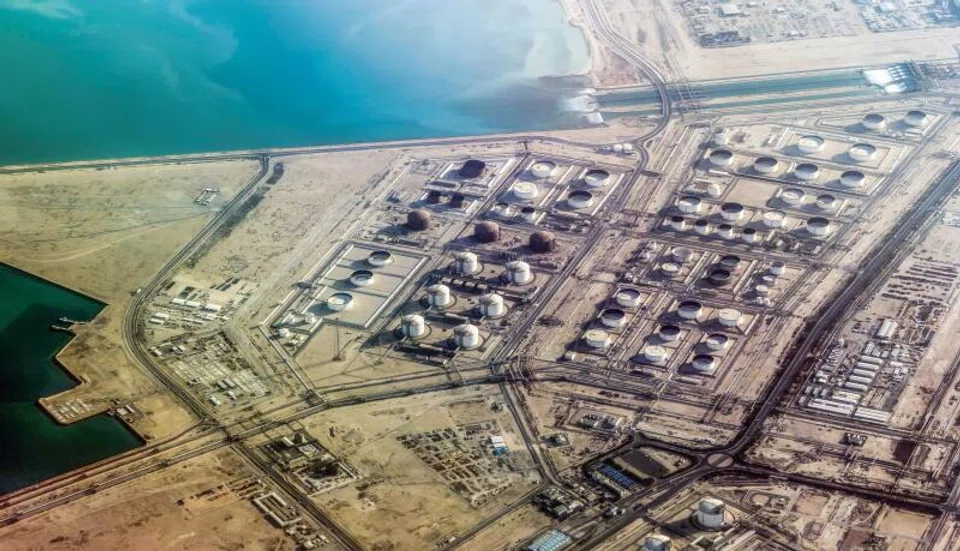
Kuwait shut several units at its Al Ahmadi refinery after multiple strikes. The United Arab Emirates and Saudi Arabia said they intercepted missiles and drones overnight into Friday, while Bahrain reported a fire at a warehouse.
Israel said it struck infrastructure across Iran, including in the capital Tehran, while the Islamic Republic launched a fresh wave of retaliatory missile attacks.
The fighting, which has dragged on for three weeks, has killed more than 4,200 people across the region and brought shipping through the strategic Strait of Hormuz – a chokepoint for about a fifth of global oil and LNG flows – to a near standstill. Iran’s attacks on critical energy sites have eased from a peak earlier this week, helping push oil prices lower after they hit an almost four-year high.
Still, risks of lasting damage to energy supplies remain, with Qatar saying almost a fifth of its LNG production has been knocked out for as long as five years. The fallout of the war is spreading globally, with fuel, shipping and household costs already rising.
Israel said it would no longer target energy infrastructure after an attack on Iran’s largest gas field sparked retaliatory strikes and elicited a rebuke from US President Donald Trump.
“Israel acted alone,” Prime Minister Benjamin Netanyahu told a press conference on Thursday, after Israeli officials previously said they had informed the US about the hit on the South Pars field.
Netanyahu also said Israeli forces would aid US efforts to reopen the Strait of Hormuz and that the war would be over sooner than some anticipated – comments that helped calm markets on a day when energy prices had spiked once again.
“I told him, ‘don’t do that.’ And he won’t do that,” Trump said at the White House on Thursday referring to Netanyahu. “We get along great. It’s coordinated. But on occasion, he’ll do something, and if I don’t like it, then – so we’re not doing that.”
For Washington, the costs of the Iran campaign it launched alongside Israel on Feb 28 are becoming clearer. On Thursday, Iran said its air defense “seriously damaged” a US F-35 stealth fighter, with US Central Command saying one of the warplanes made an emergency landing and the pilot was in stable condition.
The Pentagon has asked Congress for an additional US$200 billion to pay for the war, a person familiar with the matter said. The enormous funding request suggested the US is girding for a protracted conflict, though Defence Secretary Pete Hegseth downplayed such concerns and said the US was “on plan” with its war goals.
The Trump administration on Thursday moved ahead with US$23 billion in weapons sales to the UAE, Kuwait and Jordan, aiming to bolster those countries’ defences as they come under attack, according to a State Department spokesperson.
Iran’s average missile and drone launches were down about 81 per cent as of Thursday from their March 1 peak, Bloomberg Intelligence analysis shows. Gulf states led by the UAE have borne the brunt of Iranian attacks.
Even the few projectiles that make it through the Gulf’s air defences can have an outsized impact.
Qatar on Thursday reported “extensive damage” at the world’s largest LNG export plant, with QatarEnergy saying the attacks would cost about US$20 billion a year in lost revenue.
Saudi Arabia said a drone hit its Samref refinery on the Red Sea, a vital exit route for the world’s biggest oil exporter. The kingdom said it also shot down ballistic missiles fired toward the capital, Riyadh.
Iran has curbed retaliatory strikes on regional energy sites in response to calls for de-escalation, Foreign Minister Abbas Araghchi said, while warning Teheran would show “ZERO restraint” if its oil and gas infrastructure is hit again.
Oil dropped from its highest close since July 2022, as the US and Israel sought to reassure investors rattled by this week’s fighting. Brent crude fell to about US$108 a barrel, while West Texas Intermediate for May was around US$94.
Equity markets turned choppy heading into the weekend, with the MSCI Asia Pacific Index fluctuating before trading down 0.2 per cent. S&P 500 futures were up slightly as traders on Wall Street braced for an unusually large tally of options expiring on Friday.
The latest attacks increased the potential for other countries to join the conflict. Saudi Foreign Minister Faisal bin Farhan Al Saud told reporters in Riyadh on Thursday that the kingdom’s restraint isn’t “unlimited,” and warned it could take military action. The relationship between the kingdom and Teheran has “completely shattered,” he added.
Iran accounts for more than three quarters of the war’s fatalities. More than 1,000 people have been killed in Lebanon, where Israel is waging a parallel war against Iran-aligned Hizbollah militants. Dozens of others have been killed across the Middle East, while the US has lost 13 military personnel and at least 16 military planes and drones. BLOOMBERG
Decoding Asia newsletter: your guide to navigating Asia in a new global order. Sign up here to get Decoding Asia newsletter. Delivered to your inbox. Free.
Share with us your feedback on BT's products and services