



Iran war ceasefire ‘terminated’ hostilities for war powers deadline, says US official
Trump faced a deadline on May 1 to end the Iran war or make the case to Congress for extending it
 Add BT as a preferred source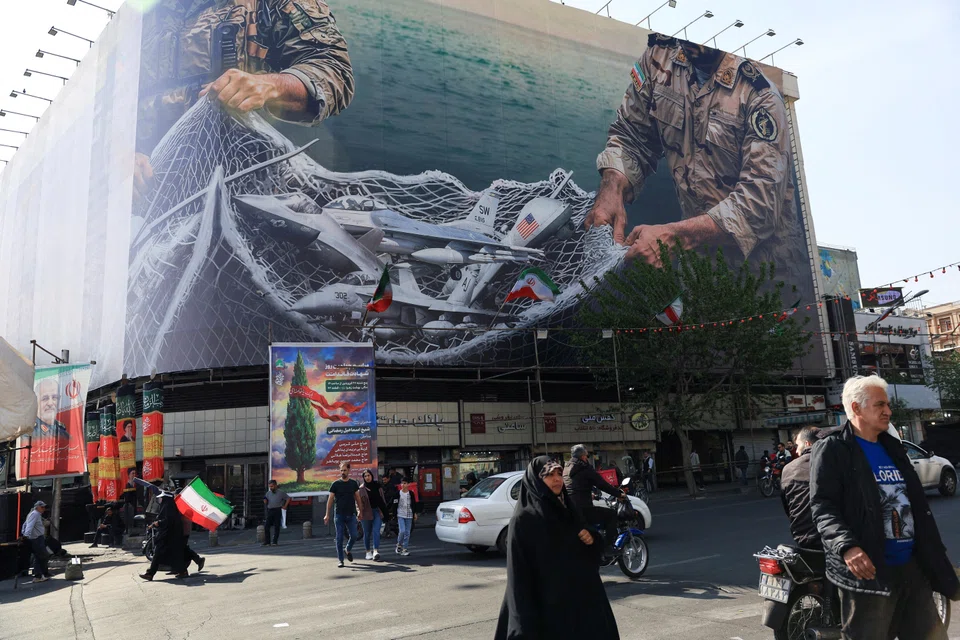
[WASHINGTON] A US-Iran ceasefire that began in early April has “terminated” hostilities between the two sides for the purposes of an approaching congressional war powers deadline, a senior official of President Donald Trump’s administration said on Thursday (Apr 30).
Trump faced a deadline on Friday to end the Iran war or make the case to Congress for extending it, but the date was most likely to pass without altering the course of the war.
“For War Powers Resolution purposes, the hostilities that began on Saturday, February 28, have terminated,” said the official, describing the administration’s thinking.
There has been no exchange of fire between the US armed forces and Iran since a fragile ceasefire began more than three weeks ago, the official added.
Earlier, analysts and congressional aides had said they expected Trump to notify Congress that he planned a 30-day extension or to disregard the deadline, with the administration arguing the ceasefire marked an end to the conflict.
The 1973 law allows the president 60 days to wage military action before ending it, seeking authorisation from Congress or asking for a 30-day extension on grounds of “unavoidable military necessity” for the safety of the armed forces.
Navigate Asia in
a new global order
Get the insights delivered to your inbox.
The Iran war began with airstrikes launched by Israel and the US on February 28. Trump formally notified Congress of the conflict 48 hours later, triggering a 60-day deadline of May 1.
Defence Secretary Pete Hegseth told a Senate hearing on Thursday he understood that the 60-day clock stopped during the truce. Opposition Democrats disputed that, saying there was no such legal provision.
The US Constitution says only Congress, not the president, can declare war, but the curb does not apply for operations the administration casts as short-term or countering an immediate threat.

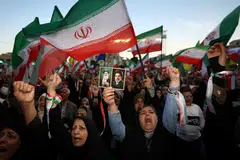
Trump’s Republican Party holds a narrow majority in both chambers of Congress. Democrats have tried since the war began to pass resolutions to force Trump to withdraw US forces or obtain congressional authorisation.
Republicans have voted them down.
Iran responded to the Feb 28 attacks by the US and Israel with its own strikes on Israel and Gulf states that host American bases.
US-Israeli strikes on Iran and Israeli attacks in Lebanon have killed thousands and displaced millions. REUTERS
Decoding Asia newsletter: your guide to navigating Asia in a new global order. Sign up here to get Decoding Asia newsletter. Delivered to your inbox. Free.
Share with us your feedback on BT's products and services
TRENDING NOW

Middle East-linked energy supply shocks put Asean Power Grid back in focus

US-China rivalry and the Kindleberger Trap: Why inaction – not escalation – is the biggest risk
As more Asean states turn to Russia for fuel, will Moscow boost its influence in the region?

How China’s young workers are securing their future even as AI disrupts job market, triggers pay cuts

