Iraq to consider all options if Opec quota not raised, weighs exit, sources say
It is suffering a financial crisis as a result of the Iran war
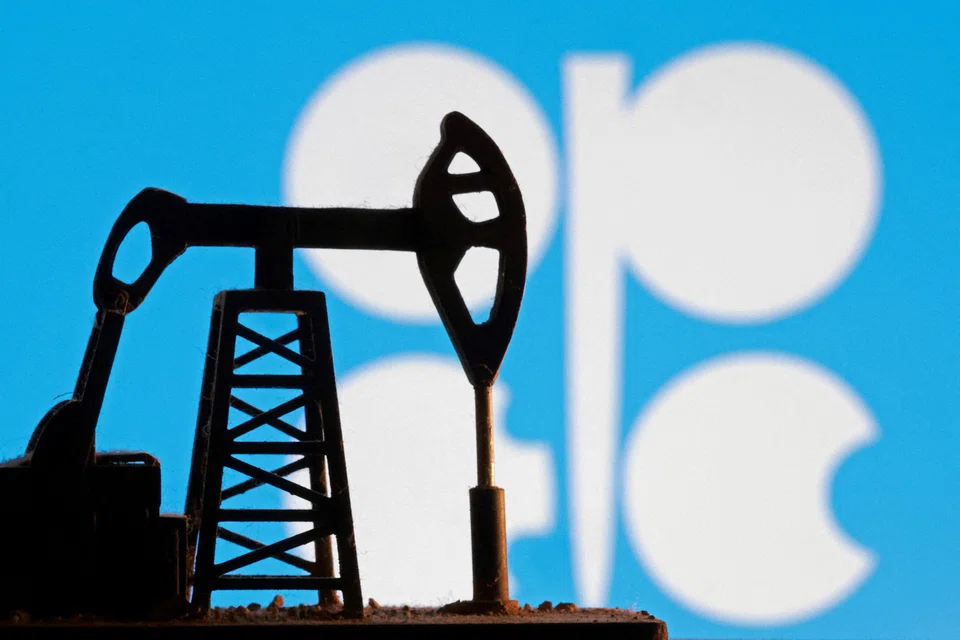
[BAGHDAD] Iraq will consider all available options if its quota under the Organization of the Petroleum Exporting Countries (Opec) is not significantly increased and has weighed leaving the producer group, sources with knowledge of Iraqi oil policy told Reuters.
The prospect of Opec’s second-largest producer considering an exit would be a further blow to the group, after the departure this year of the United Arab Emirates.
Iraq is one of the five founding members of Opec, which was formed in the Iraqi capital. It is suffering a financial crisis as a result of the Iran war, and a significant rise in its Opec quota should be treated seriously, a senior Iraqi oil ministry official told Reuters.
Iraq had considered leaving Opec, but the current plan was to remain a member and seek a higher quota, he added.
“Saudi Arabia and other Opec allies should treat this matter with the utmost seriousness. Failing that, Iraq will be compelled to consider all available options,” he said. When asked if an Opec exit had been discussed, he said: “It’s still premature for this step”.
Opec did not immediately respond to a request for comment.
A government spokesperson said Iraq was working to restore full oil-export capacity, but declined to comment further on its Opec quota or the possibility of exiting the group.
“Iraq is working to restore its full oil export capacity and aims to raise oil production to seven million barrels a day over the coming years,” Iraqi spokesperson Haider Al-Aboudi said.
Iraq’s economy, heavily dependent on oil revenue, has been squeezed since the Iran war disruptions to the Strait of Hormuz locked the bulk of its exports in.
Oil prices briefly extended their decline after the Reuters report, trading below US$73 a barrel.
Since taking office in May, Iraqi Prime Minister Ali Al-Zaidi has signalled that rebuilding Iraq’s economy, attracting foreign investment and combating corruption will be central to his administration’s agenda.
On Wednesday (Jun 24), he said Iraq wanted Opec to raise Iraqi oil output in line with its production capacity and population, Baghdad-based public-service broadcaster the Iraqi News Agency reported.
Seven core members of Opec+ have increased their output quotas from April to June by almost 600,000 barrels a day. Opec+ comprises Opec and allied producers, including Russia. REUTERS
Decoding Asia newsletter: your guide to navigating Asia in a new global order. Sign up here to get Decoding Asia newsletter. Delivered to your inbox. Free.
Share with us your feedback on BT's products and services