

Iraq seeks more tankers to control its Hormuz oil transits
This marks a shift in the nation’s plans as the Iran war makes journeys via the strait perilous
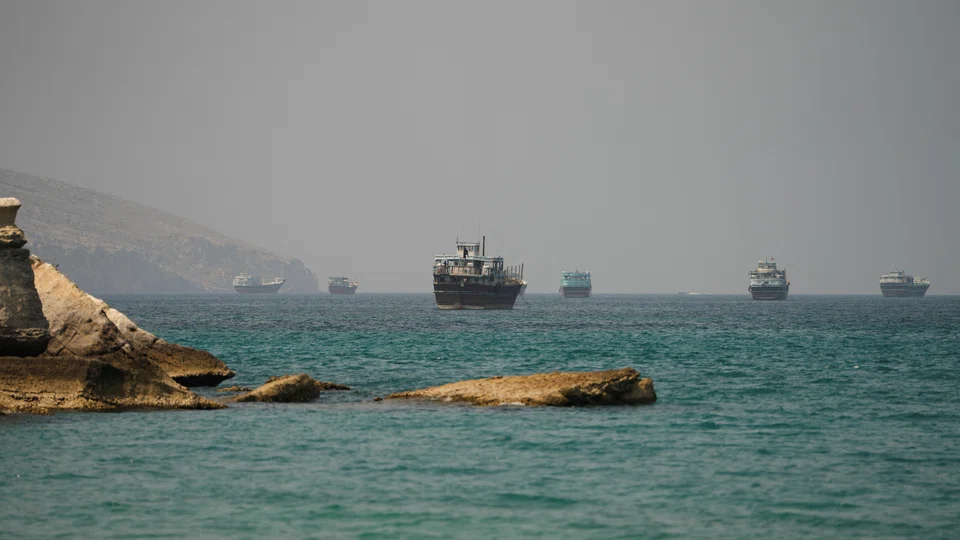
IRAQ is set to hire additional tankers, with at least two arriving over the next few days as the country looks for greater control over moving its oil through the heavily contested Strait of Hormuz.
State-owned Iraqi Oil Tankers (IOTC) expects to charter at least one Very Large Crude Carrier (VLCC) and a smaller Suezmax in the coming days, people familiar with the matter said, asking not to be identified discussing private information.
The company is separately planning to reissue a tender for more tankers after a previous effort to hire two or more freighters was cancelled because it did not get acceptable offers, the people said.
The push marks a shift in Iraq’s plans as the war in the Middle East has made journeys through the Strait of Hormuz perilous for months and imperiled oil shipments.
Baghdad has been hit particularly hard because it does not own any tankers of its own, forcing it to offer steep discounts for its crude to entice customers to take the risk of sending ships deep inside the Persian Gulf to load cargoes.
Iraq’s oil ministry and IOTC did not respond to requests for comment on the tankers.
IOTC loaded a VLCC to sail through Hormuz “for the first time in decades”, director general Ali Qais Abdul Jabbar said in video comments over the weekend.
Previously, companies in the country had bought at least two supertankers, with one costing about US$200 million in a deal in September, according to people familiar with the matter.
That price would make it the biggest ever for such a vessel, based on data from Clarkson Research Services, a unit of the world’s largest shipbroker.
Iraq’s Oil Minister Basim Mohammed Khudair said on Saturday (Oct 3) that the government is working to secure funding to buy tankers for IOTC, without specifying how many vessels it intends to acquire or their cost.
Owning ships would support exports and increase financial returns, he said.
The move comes as recovering Gulf oil exports increase demand for the limited pool of tankers available to navigate Hormuz.
Producers such as Kuwait are also seeking to purchase vessels, an official said in September.
The United Arab Emirates has spent billions of dollars to buy ships while Saudi Arabia has a large fleet, giving them an advantage and greater flexibility over their Gulf neighbours.
The demand is creating a boom in the tanker market with rates reaching levels that industry executives said would have been almost unimaginable before the conflict.
Daily earnings on the industry’s benchmark Saudi Arabia-to-China trade route are now US$1.29 million.
In comparison, earnings averaged less than US$30,000 a day from 2021 through 2025, according to data from the Baltic Exchange in London.
Iraq’s leased tankers, whose charters run until the end of 2026, will carry crude through Hormuz and transfer it to other ships outside the chokepoint, one of the people familiar with the matter said.
The shuttles through the waterway are a system countries across the Gulf have been using to get their oil to customers. BLOOMBERG
Decoding Asia newsletter: your guide to navigating Asia in a new global order. Sign up here to get Decoding Asia newsletter. Delivered to your inbox. Free.
Share with us your feedback on BT's products and services
TRENDING NOW

Government to bring forward raising of retirement age, give employers more financial support to create flexi-load jobs
If Europe goes to war, the fallout will be felt in East Asia

Indonesia stocks suffer worst plunge in nearly 30 years as MSCI proposes standalone status

Vietnam’s northern provinces, not Hanoi or Ho Chi Minh City, are powering near 10% GDP growth

