'It's dead out here': China's slow exit from zero-Covid
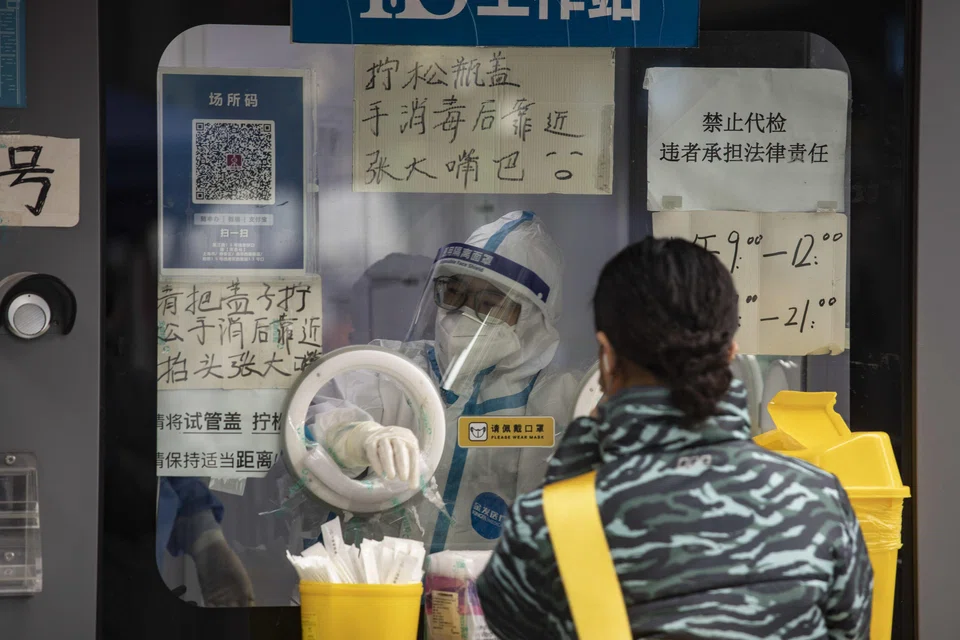
ENDURING anxieties about the coronavirus are likely to hamper a speedy return to health in the world’s second-largest economy, with quiet streets in Beijing on Friday (Dec 9), and some businesses reluctant to drop their Covid curbs.
Although the government on Wednesday loosened key parts of its zero-Covid policy, many appear wary of shaking off the shackles too quickly.
China has been anything but placid in the past few weeks. Protests against Covid curbs in many cities marked the biggest show of public discontent since President Xi Jinping came to power a decade ago.
Some of those protesters, tracked down by China’s security apparatus, now face an anxious wait about their fate.
Just over a month ago, the National Health Commission stressed commitment to its strict virus containment policy, saying it was “putting people and lives first”. Now, authorities have changed tack and are telling people they have less to fear.
Zhong Nanshan, a prominent Chinese epidemiologist, said 99 per cent of people now infected with the coronavirus would recover in seven to 10 days. His comments were reported by People’s Daily, a newspaper controlled by the ruling Communist Party.
But there are signs that the reassuring new message has yet to convince many of the country’s 1.4 billion people.
With the need for tests dropped and most infected people now being allowed to isolate at home, some have embraced the new freedoms. For others, habits formed through months of stifling lockdowns are proving hard to break.
In the central city of Wuhan, where the pandemic erupted in late 2019, there were more signs of life on Friday. But while some areas were busy with commuters, residents say a return to normal is a long way off.
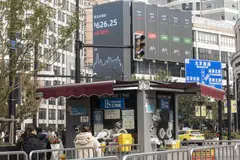
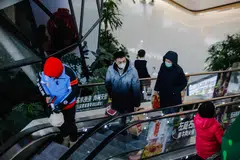
“They’ve relaxed the measures, but still there’s nobody about,” said a taxi driver surnamed Wang, who did not want to give his full name.
“You see these roads, these streets ... they ought to be, busy, full of people. But there’s no one. It’s dead out here.”
Meanwhile, there were several empty seats in what should have been peak morning rush hour on the Beijing subway on Friday. This was even though the city this week scrapped negative test requirements to ride trains and enter offices.
Some downtown restaurants were deserted at lunch time.
Manufacturers remain cautious too, retaining Covid curbs until they get a clearer picture of just how workplaces will be affected by the easing of stringent measures.
Businesses told Reuters they were expecting to grapple for extended periods with workers off sick that could hamper operations.
While authorities have scrapped testing as a prerequisite for many activities, hotpot chain Haidilao said it would still require daily PCR tests for staff at its dine-in outlets in Beijing.
Analysts and business leaders expected China’s economy to rebound late next year, as it follows the rocky path trodden by the rest of the world to open up and try to live with the disease.
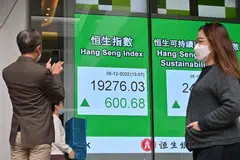
China’s battered yuan climbed to a three-month high early on Friday, and its stock markets rose as investors looked beyond poor data on growth prospects.
Noel Quinn, chief executive of HSBC, told a financial forum in Shanghai that China’s new measures represented “meaningful progress”. The bank makes the bulk of its revenue in the Greater China region.
“I very much hope that they can be an important stepping stone towards the full reopening of mainland China’s borders, as soon as practicable,” he told the Shanghai Bund Summit.
A surge in infections would likely depress economic growth in the next few months, however.
China’s tally of 5,235 Covid-related deaths is a tiny fraction of its population, and extremely low by global standards. Some experts warned that toll could rise above 1.5 million if the exit is too hasty.
The China Association of Automobile Manufacturers warned that large-scale Covid infections would have an “adverse impact” on the auto market next year.
Jeffrey Goldstein, a China-based consultant who helps foreign brands manufacture goods in Asia, said: “There’s going to be chaos.”
“China’s three years behind, so what’s going to happen in China is what happened in the rest of the world.”
A Reuters poll forecast China’s growth to slow to 3.2 per cent in 2022, far below the official target of about 5.5 per cent. This would mark one of the country’s worst performances in almost half a century. REUTERS
Decoding Asia newsletter: your guide to navigating Asia in a new global order. Sign up here to get Decoding Asia newsletter. Delivered to your inbox. Free.
Share with us your feedback on BT's products and services