

Japan fair trade watchdog plans guidelines for state-backed bailouts
 Add BT as a preferred source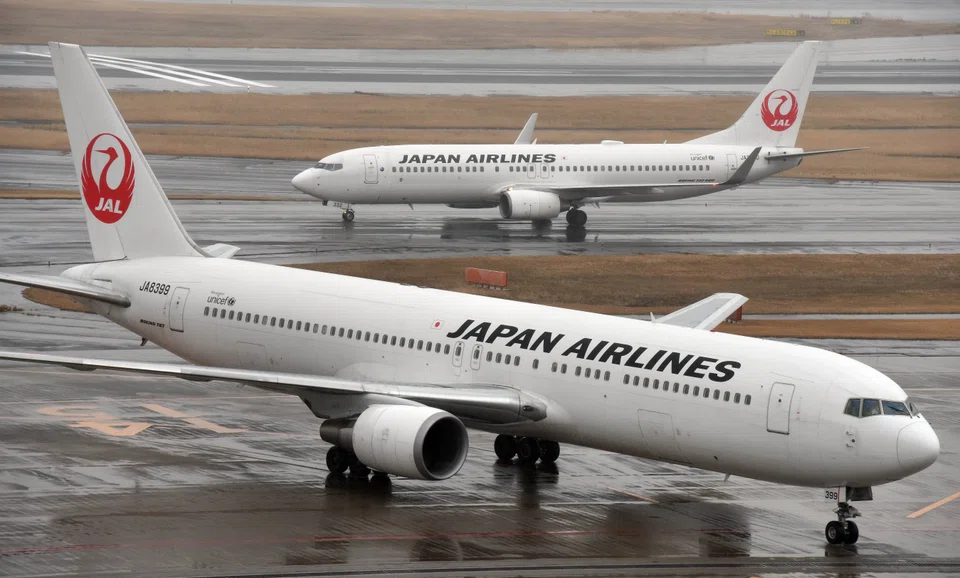
[TOKYO] Japan's fair trade watchdog is working on guidelines to prevent damage to competition when state-backed funds invest in troubled firms, its chairman said, adding that competition was harmed when Japan Airlines Co was bailed out six years ago.
Japan has several state-backed funds that have been instrumental in propping up struggling companies with Japan Airlines gaining one of the biggest bailouts, receiving nearly 1 trillion yen (US$8.9 billion) in state-backed support.
In recent years, the Innovation Network Corporation of Japan (INCJ) fund has been active, rescuing chipmaker Renesas Electronics in 2013 and helping create Japan Display Inc in 2011 from three conglomerates' screen units.
INCJ was also a suitor for Sharp Corp until Thursday when Sharp chose to accept an offer from Taiwan's Hon Hai Precision Industry Co, signalling an opening up of the country's insular tech industry.
Japan Fair Trade Commission Chairman Kazuyuki Sugimoto said that while the planned guidelines would not be legally enforceable, they could play a part in preventing further unfairness.
"Our organisation believes that the government bailout of JAL harmed fair competition," he said in an interview. "We can not rule out the possibility that a similar bailout will happen in the future." After the government bailout, Japan Airlines has since rebounded, booking record profits in 2012 and prompting much criticism from rival ANA Holdings Inc.
In contrast to Japan, the European Commission has the power to block government support if a company were to gain an advantage over its competitors because of state aid.
Japan's Fair Trade Commision is accepting public opinions on how the guidelines should be shaped.
REUTERS
Share with us your feedback on BT's products and services
TRENDING NOW

Trickier across borders: Why commercial disputes are getting more complex

Too little, too late? Manila’s billion-dollar bid to ignite its sputtering EV industry

When every phone becomes a satellite phone, what happens to Asia’s telcos?
How BYD disrupted Singapore’s car market – and why the strategy is turning on itself

