Japan’s households cut spending even after real wages advance
Real consumption remains weak
 Add BT as a preferred source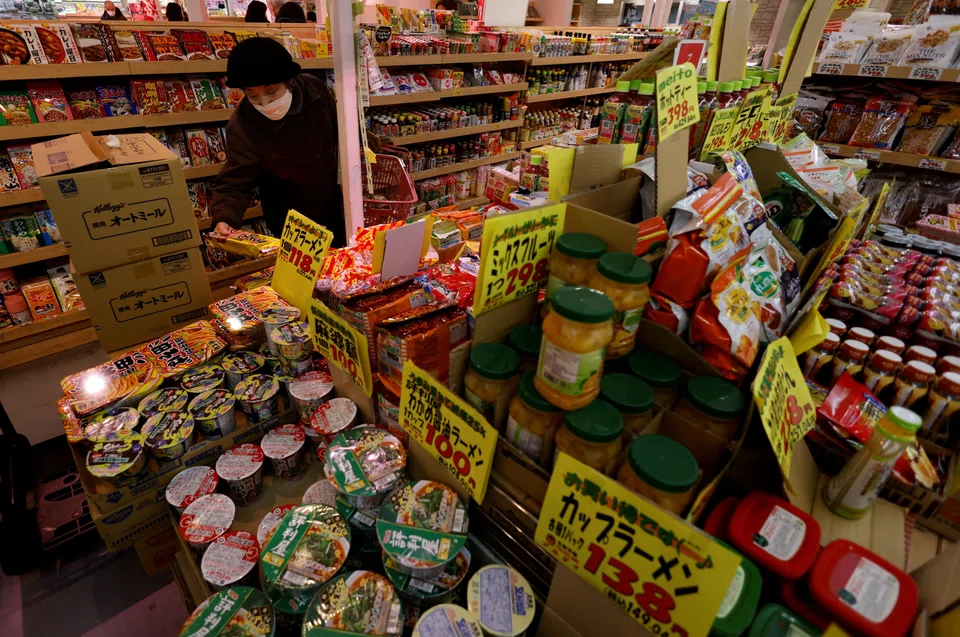
DeeperDive is a beta AI feature. Refer to full articles for the facts.
[TOKYO] Japan’s households reduced spending for a third straight month even after real wages turned positive, underscoring the fragile state of domestic demand.
Outlays by households adjusted for inflation fell 1.8 per cent in February from a year earlier, a faster decline compared with January’s 1 per cent retreat, the Ministry of Internal Affairs and Communications reported on Tuesday. Economists had expected a 0.8 per cent drop.
The weak year-on-year data underscore the challenges for Prime Minister Sanae Takaichi as she attempts to buoy domestic demand with fiscal steps meant to soften the blow from rising prices.
The premier rolled out subsidies to put a cap on utilities from the start of the year. After the Iran war spurred a rally in the oil market, she added measures to keep a lid on petrol prices. Those steps came against a backdrop of growing consumer fatigue.
Price growth that stayed above the Bank of Japan’s 2 per cent target for four years through 2025 pushed up the value of necessities such as food, prompting shoppers to pare discretionary outlays as possible. Domestic consumption accounts for more than half of Japan’s economy.
“Real consumption remains weak,” said Yukihiro Morita, chief economist at Meiji Yasuda Research Institute. “Although real income has risen, it’s not immediately affecting consumption.”
Navigate Asia in
a new global order
Get the insights delivered to your inbox.
That inflation pressure continues. Food and beverage companies planned to increase prices on nearly 2,800 items this month, the most since October, according to a survey by Teikoku Databank last month. A majority of firms cited higher wages as a key driver, the report suggested.
Monday’s decline came even after wages adjusted for inflation turned positive in January for the first time in more than a year. Data due on Wednesday are expected to show they stayed positive in February.
With the Middle East conflict raising the risk of a resurgence in imports-driven inflation, authorities are still assessing how the impact may ripple through the economy.


“Shortages of naphtha and other materials could increase production costs,” Morita said. “If these increased production costs are passed on to consumers, leading to higher prices for food and other goods, consumption is likely to remain sluggish.”
The report showed that spending on education and transportation and communications was the main driver of the decline, while outlays on health care increased.
To be sure, there was a bright spot in the report. While spending was down from year-ago levels, on a seasonally adjusted basis, overall outlays rose 1.5 per cent in February from January. That comes after a gauge for consumer confidence rose in February to the highest in almost seven years.
Ahead of its next policy decision on April 28, the BOJ is attempting to assess the impact from the war. A key question is whether the main effect will be to raise the price trend or to weigh on investment and consumption.
One factor will be wage trends, which appear to remain robust overall even as companies contend with growing global uncertainties. The largest labour union federation Rengo reported last week that its workers secured wage increases of 5.09 per cent as of early April, not far off the pace of a year earlier, when the results of pay talks were the most generous in more than three decades. REUTERS
Decoding Asia newsletter: your guide to navigating Asia in a new global order. Sign up here to get Decoding Asia newsletter. Delivered to your inbox. Free.
Share with us your feedback on BT's products and services