

Japan government to submit BOJ nominees next week, list includes reflationists
The choices may affect the central bank’s discussions on the pace and timing of future rate hikes by shifting the composition of the nine-member board
 Add BT as a preferred source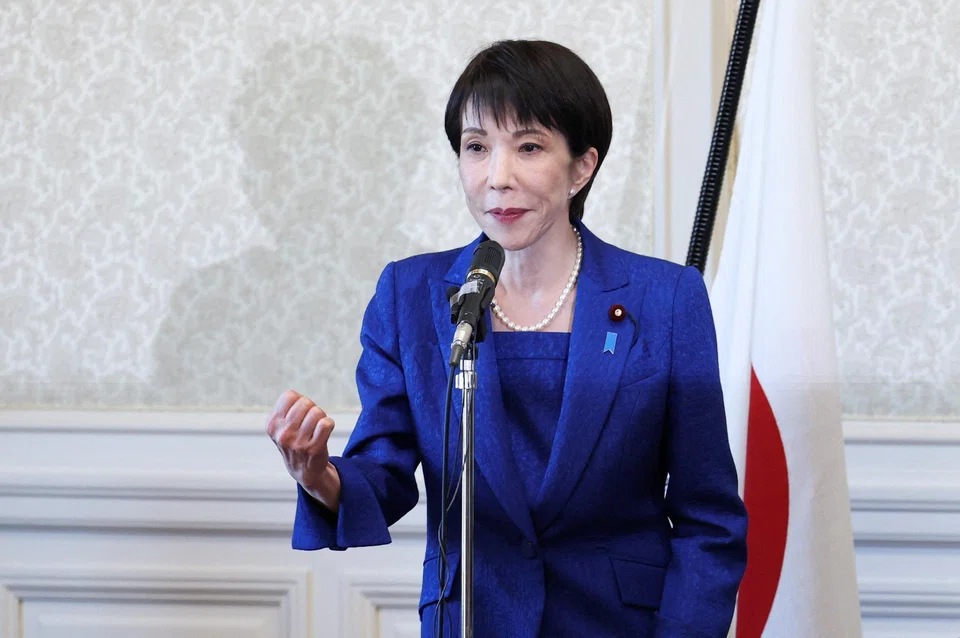
[TOKYO] Japan’s government will likely present nominees next week to fill two seats opening up on the central bank board – choices that will offer clues on the extent to which Prime Minister Sanae Takaichi may tolerate further interest rate hikes.
The list of candidates includes some reflationists, though it is uncertain who she will eventually choose, said two sources with knowledge of the deliberations.
“While the person does not need to be an advocate of loose monetary policy, it is important it isn’t someone who would shun the views of reflationists,” another source said.
They spoke on condition of anonymity due to the sensitivity of the matter.
The government will submit its nominees for both seats to parliament as early as Feb 25. It will need approval by both the Lower and Upper Houses.
“The personnel choices will be a big factor in scrutinising the administration’s stance on monetary policy,” said Tsuyoshi Ueno, an economist at NLI Research Institute.
The premier has the authority to pick a successor to Asahi Noguchi – regarded as the board’s last remaining reflationist, whose term ends in March – and Junko Nakagawa, who comes from the financial industry and will retire in June.
If history is any guide, Noguchi’s successor is likely to come from academia.
Nakagawa is expected to be succeeded by a female candidate from the financial sector, a source said.


Takaichi has already appointed several reflationists to key government panels, including former Bank of Japan (BOJ) governor Masazumi Wakatabe, heightening the chance she could do so for the openings in its nine-member board.
The choices may affect the central bank’s discussions on the pace and timing of future rate hikes by adjusting the composition of the nine-member board, which has increasingly shifted in favour of steady rate increases.
It could also offer clues on the kind of candidates she may choose to fill two more board seats opening up next year – when hawkish members Hajime Takata and Naoki Tamura retire.
If she stays in power long enough, she will have the authority to choose the successors to BOJ governor Kazuo Ueda and his two deputies when their five-year terms end in 2028.
Some analysts have doubted she will fill the board openings this year with vocal advocates of low interest rates, as doing so can trigger sharp yen falls by heightening market expectations of delays in further rate hikes.
Etsuro Honda, an economic adviser to Takaichi, told Reuters the government does not necessarily need to pick reflationists to fill the board openings as the economy has exited deflation.
Saisuke Sakai, senior economist at Mizuho Research & Technologies, said: “Given the risk of a market backlash, the administration isn’t clinging much to reflationist policies. It may not persist in filling the BOJ openings with reflationists.” REUTERS
Decoding Asia newsletter: your guide to navigating Asia in a new global order. Sign up here to get Decoding Asia newsletter. Delivered to your inbox. Free.
Share with us your feedback on BT's products and services
TRENDING NOW

Simba ordered to pay S$700,000 in damages to indoor skydiving operator Altitude Xperience for trespass

Lazada cuts about 5% of workforce as part of review across South-east Asia markets

Singtel sells S$1 billion in Gulf Development shares

What’s wrong with Orchard Road? Experts weigh in on the street’s cachet and its future

