

Japan governor wins re-election, NHK says, in race seen key to nuclear restart
 Add BT as a preferred source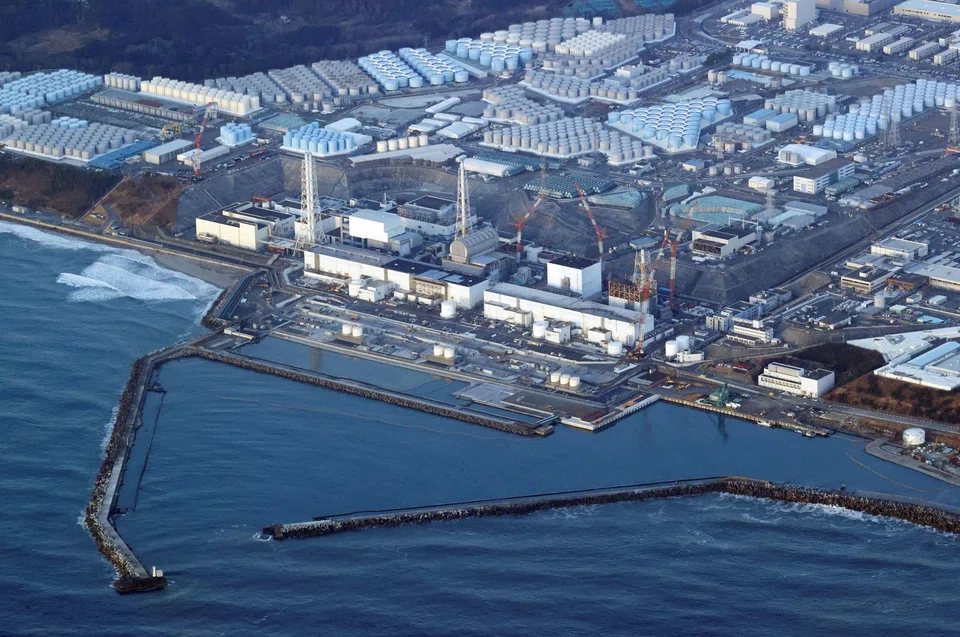
DeeperDive is a beta AI feature. Refer to full articles for the facts.
THE governor of Japan’s Niigata prefecture easily defeated his anti-nuclear opponent in an election on Sunday (May 29), public broadcaster NHK said, a result that could embolden members of the ruling party who are pushing for the country’s largely idled nuclear energy plants to be revived.
Hideyo Hanazumi, who was backed by Prime Minister Fumio Kishida’s ruling Liberal Democratic Party (LDP), beat local businesswoman and longtime activist against nuclear energy, Naomi Katagiri by a large margin, NHK said, citing exit polls.
It did not give exact figures, but Hanazumi also claimed victory in a speech to supporters.
The vote in Niigata, home to the world’s largest nuclear power plant, was closely watched by LDP heavyweights in Tokyo as a gauge of voter readiness to re-embrace nuclear power.
Dozens of Japan’s reactors were idled in the aftermath of the 2011 Fukushima nuclear disaster, including the Kashiwazaki-Kariwa plant in Niigata. Although many Japanese are wary of nuclear power, the Ukraine crisis and a tumbling yen have led to a surge in energy costs, hitting households.
In the last gubernatorial election in Niigata 4 years ago, nuclear power was the main issue. This time, it ranked fifth for voters, according to a recent survey by the Niigata Nippo newspaper, having been eclipsed by economic concerns.
Navigate Asia in
a new global order
Get the insights delivered to your inbox.
Hanazumi had been expected to win easily this time. During his campaign, he tried to steer clear of the nuclear issue; and when asked about it, echoed the government line that safety is the priority.
Kishida said last Friday that Japan will take concrete steps to restart idled nuclear power plants with a priority given to safety, to stabilise energy prices and supply.
Only 10 nuclear reactors are operational in Japan, compared with 54 before the Fukushima disaster. The government aims to raise the nuclear power contribution in its energy mix up to 22 per cent by 2030, from 6% in 2019. REUTERS
Decoding Asia newsletter: your guide to navigating Asia in a new global order. Sign up here to get Decoding Asia newsletter. Delivered to your inbox. Free.
Share with us your feedback on BT's products and services
TRENDING NOW
‘Boring’ is the new black: The stars are aligning for a Singapore stock market revival
Near sell-out launches in March boost developer sales to 1,300 units after four slow months

China pips the US if Asean is forced to choose, but analysts warn against reading it like a sports result
Genting Singapore’s Lim Kok Thay receives S$7.5 million pay package for FY2025

