

Japan household mood worsens to levels before 'Abenomics': BOJ
 Add BT as a preferred source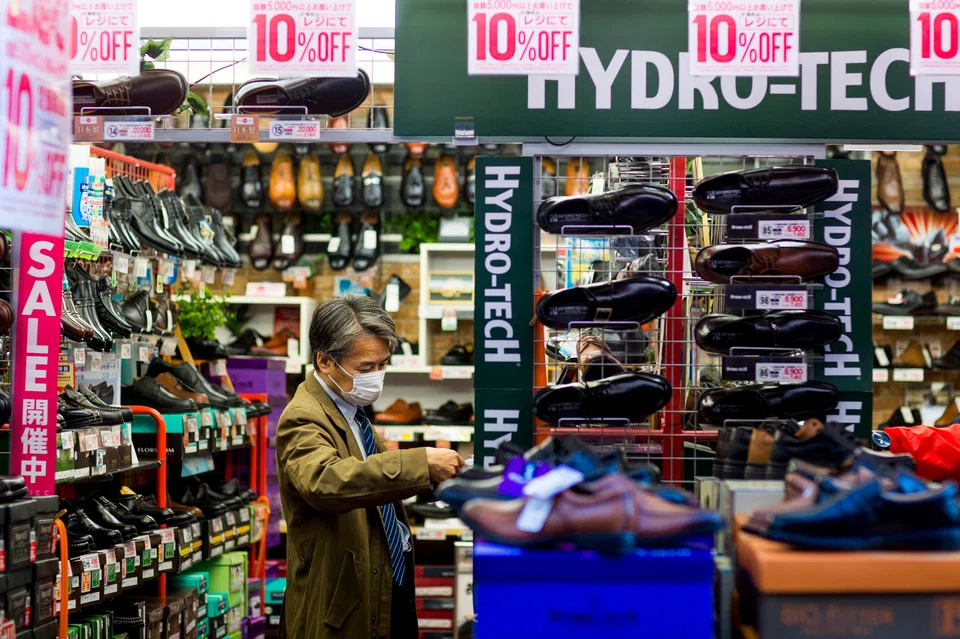
DeeperDive is a beta AI feature. Refer to full articles for the facts.
[TOKYO] Japanese households' sentiment worsened in December to levels last seen before premier Shinzo Abe unleashed radical stimulus policies two years ago, a central bank survey showed, underscoring the challenges he faces reviving the economy.
The diffusion index measuring how households felt about the current state of the economy stood at minus 32.9 in December, down 12.5 points from September, the Bank of Japan's quarterly survey on people's livelihood showed on Thursday.
Mr Abe's ruling party won a landslide victory in a snap poll in December last year, giving the premier a fresh mandate to proceed with his "Abenomics" mix of massive fiscal, monetary stimulus and structural reforms dubbed "Abenomics." That is the lowest level since December 2012, when Abe won the previous election and launched his radical programme aimed at breaking the economy free of a long deflationary phase.
While the policies helped weaken the yen and boost stock prices, the effect on the economy has been disappointing as companies remain hesitant over boosting wages and capital spending.
Another index gauging households' livelihood fell 3.1 points to minus 47.2, the worst level since 2011, the survey showed.
A negative reading means respondents who feel they are worse off than three months ago exceed those who fell better off.
Navigate Asia in
a new global order
Get the insights delivered to your inbox.
Many of those who replied that they are worse off complained of rising costs of living and stagnant wage growth, a sign households are feeling the pinch from a sales tax hike in April 2014 and rising import costs due to the weak yen.
The weak reading suggests Mr Abe's decision last November to delay a second sales tax hike, initially planned for October 2015, did little to brighten sentiment.
It also highlights the dilemma of the BOJ, which is printing money aggressively to achieve its 2 per cent inflation target sometime during the fiscal year beginning in April.
More than 80 per cent of respondents expect prices to rise a year from now, roughly unchanged from September. But 83.8 per cent of households consider rising prices as undesirable, up from 78.8 per cent in September, the survey showed.
REUTERSs
Share with us your feedback on BT's products and services
TRENDING NOW
Autobahn Rent A Car directors declared bankrupt over S$50 million each owed to DBS

Amazon’s MGM Studios gains creative control over ‘James Bond’ franchise

UOB’s Wee Ee Cheong says S$4.9 billion Citi deal ‘paying off’ as Asean push accelerates
In taxing wealth, how far can Singapore push property owners?

