

Japan household spending, output slump as BOJ meets
 Add BT as a preferred source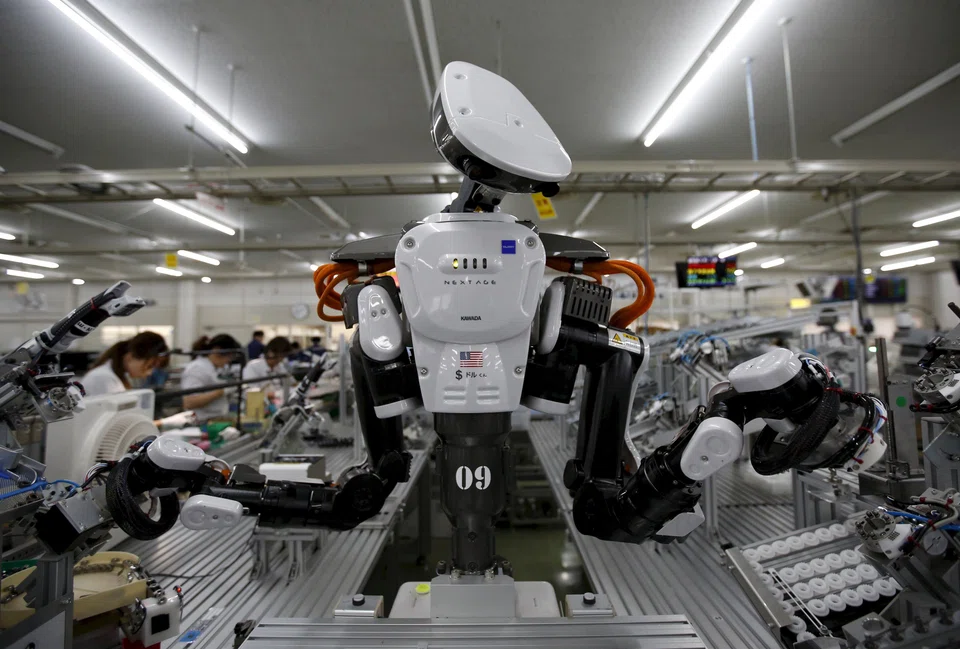
DeeperDive is a beta AI feature. Refer to full articles for the facts.
[TOKYO] Japan's household spending suffered the biggest annual fall in nearly a year in December and factory output slumped more than expected, renewing pressure on the central bank to ease policy further to support a fragile economic recovery.
The data comes as the Bank of Japan's two-day rate review continues on Friday, where policymakers will debate whether volatile markets and slowing global growth have heightened risks enough to warrant immediate action.
While many central bankers would prefer to stand pat, Friday's batch of weak data casts doubt on their argument that Japan's underlying price trend is improving against the background of a solid economic recovery. "The economy isn't doing well and there is a strong chance the economy shrank in October-December. If so, that will keep downward pressure on prices," said Yoshiki Shinke, chief economist at Dai-ichi Life Research Institute.
Household spending fell 4.4 per cent in the year to December, exceeding market forecasts for a 2.4 per cent drop, data by the Internal Affairs Ministry showed on Friday.
It was the fourth straight month of declines and the biggest drop since March 2015, suggesting that slow wage growth is keeping many households wary of spending.
Separate data showed factory output fell 1.4 per cent in December, declining at the fastest pace in May 2015 and more than a market forecast for a 0.3 per cent drop - a sign weak external demand and sluggish consumption is weighing on manufacturing activity.
Navigate Asia in
a new global order
Get the insights delivered to your inbox.
Consumer price growth remained distant from the BOJ's ambitious 2 per cent target. The core consumer price index, which includes oil products but excludes volatile fresh food prices, rose 0.1 per cent in December from a year earlier, unchanged from the previous month and matching a median market forecast.
The job market continued to tighten, however, offering some signs of hope for policymakers that a shortage of labour will eventually push up wages and underpin consumption.
The jobless rate stood at 3.3 per cent in January, steady from the previous month, separate data showed.
The jobs-applicants ratio rose to 1.27 in December, its highest since December 1991.
REUTERS
Share with us your feedback on BT's products and services
TRENDING NOW

Air India asks Tata, Singapore Airlines for funds after US$2.4 billion loss

‘Boring’ is the new black: The stars are aligning for a Singapore stock market revival

From 1MDB to ‘corporate mafia’: Is Malaysia facing a new governance test?

South-east Asian markets account for 8.8% of global capital inflows from 2021 to 2024: report

